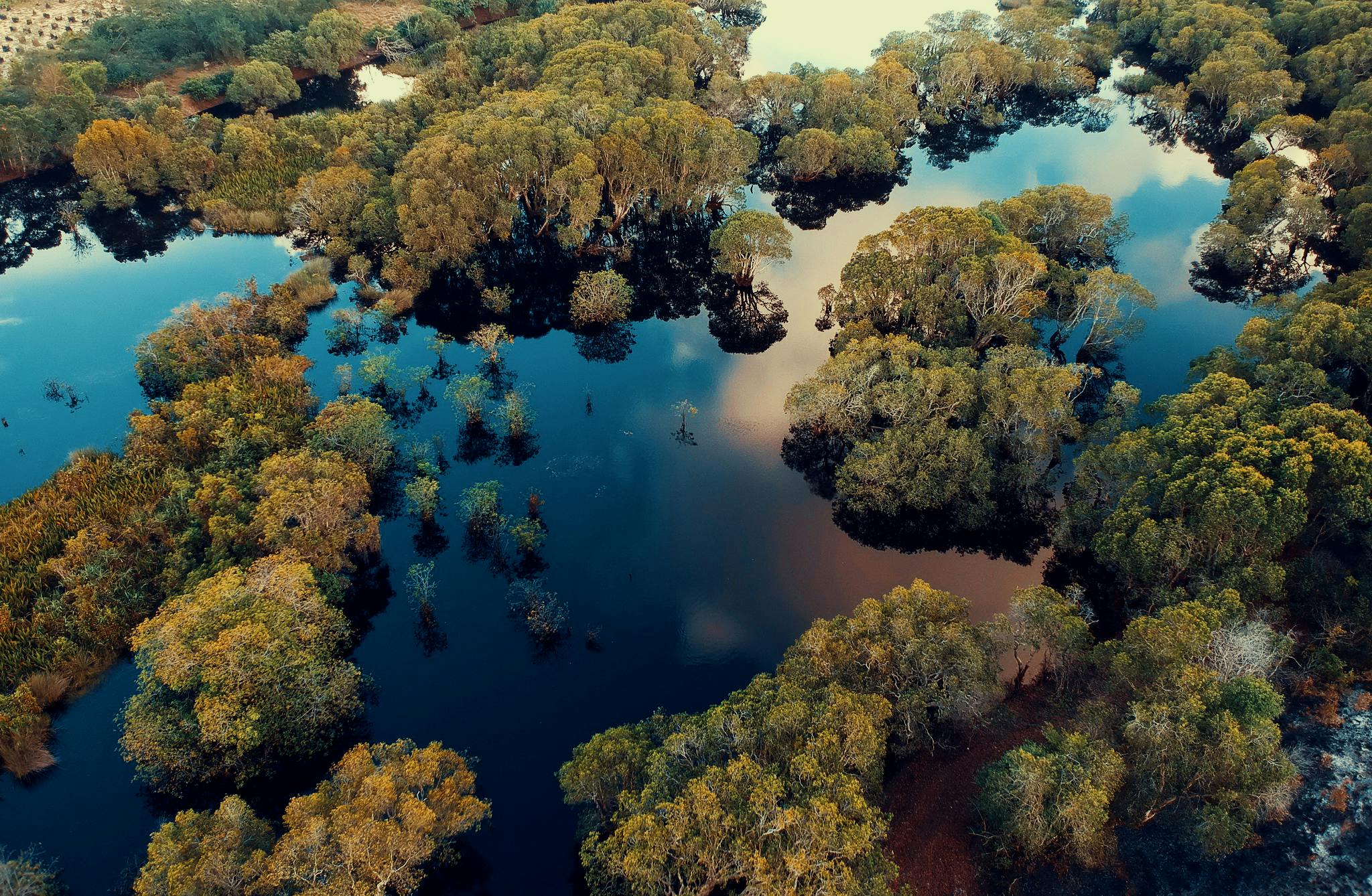
Guarding Nature’s Mysteries
Botanical forensic science stands at a fascinating crossroads where nature’s evidence meets human justice, raising profound questions about privacy, ethics, and

Botanical forensic science stands at a fascinating crossroads where nature’s evidence meets human justice, raising profound questions about privacy, ethics, and
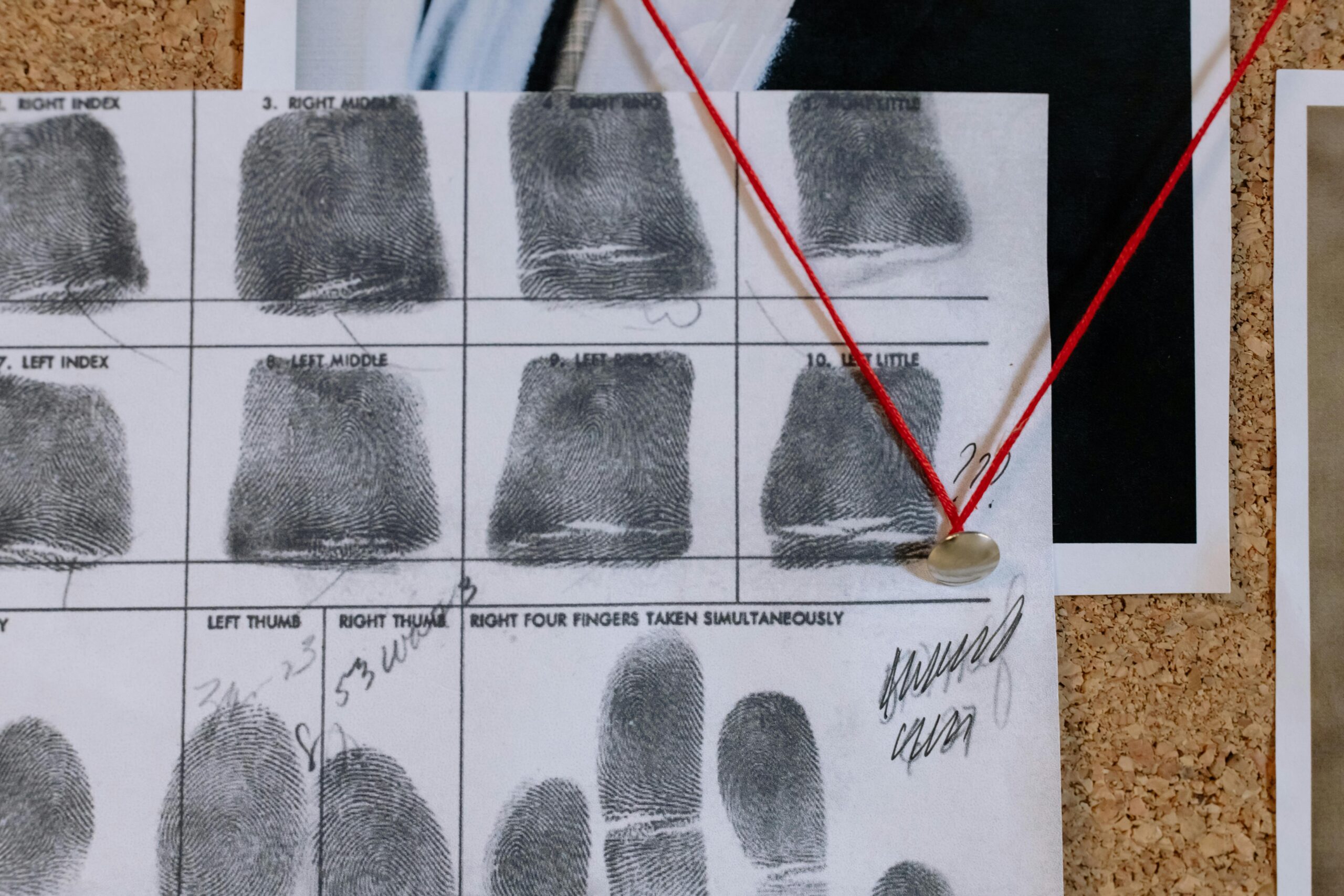
Pollen and spores represent microscopic witnesses to crime, silently recording geographic locations, seasonal timing, and environmental conditions that can prove crucial

Nature holds countless secrets embedded in its smallest fragments. From pollen grains to seed pods, plant materials tell stories about geography,
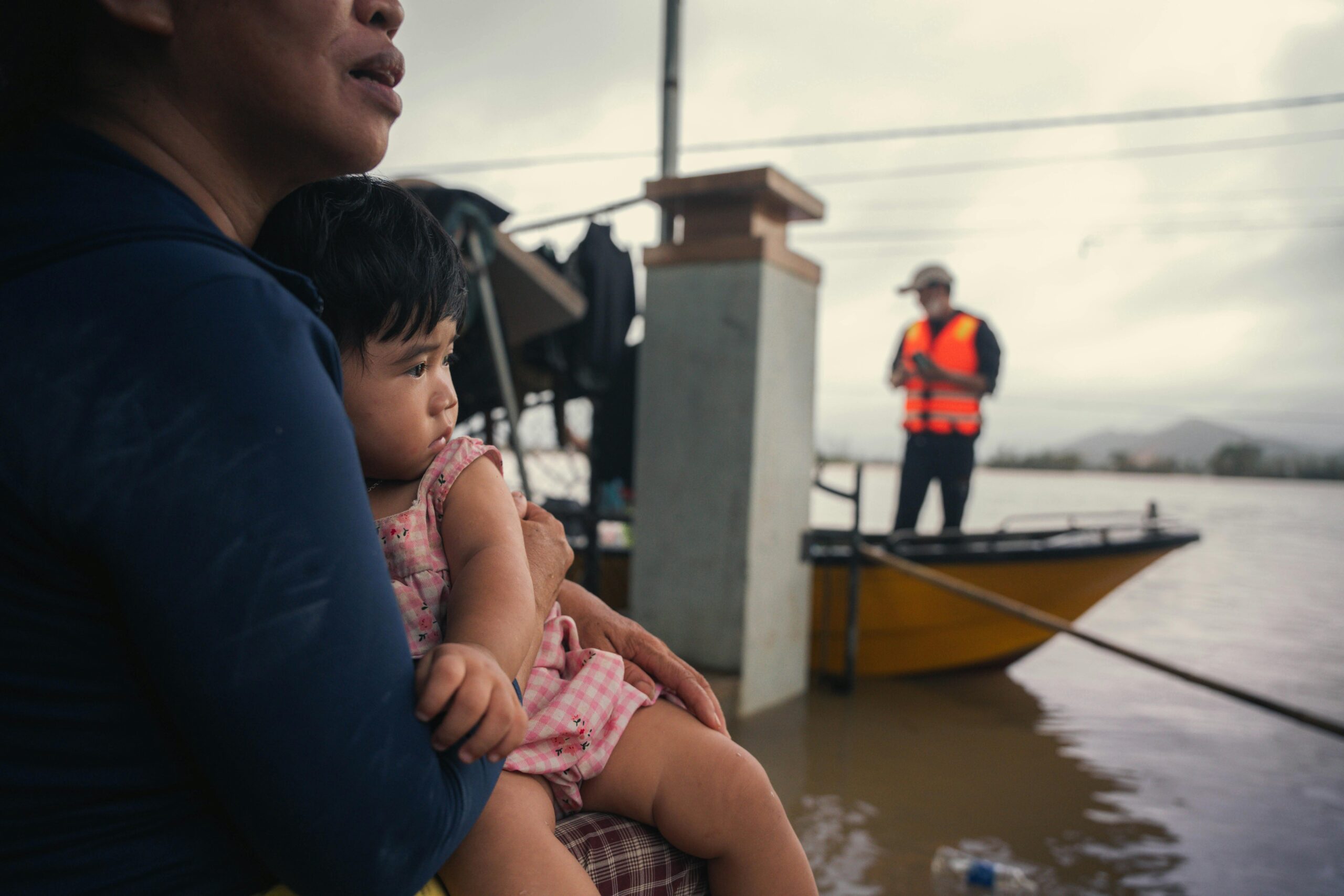
DNA identification has revolutionized how we find missing persons and identify disaster victims, bringing closure to thousands of families worldwide. 🧬
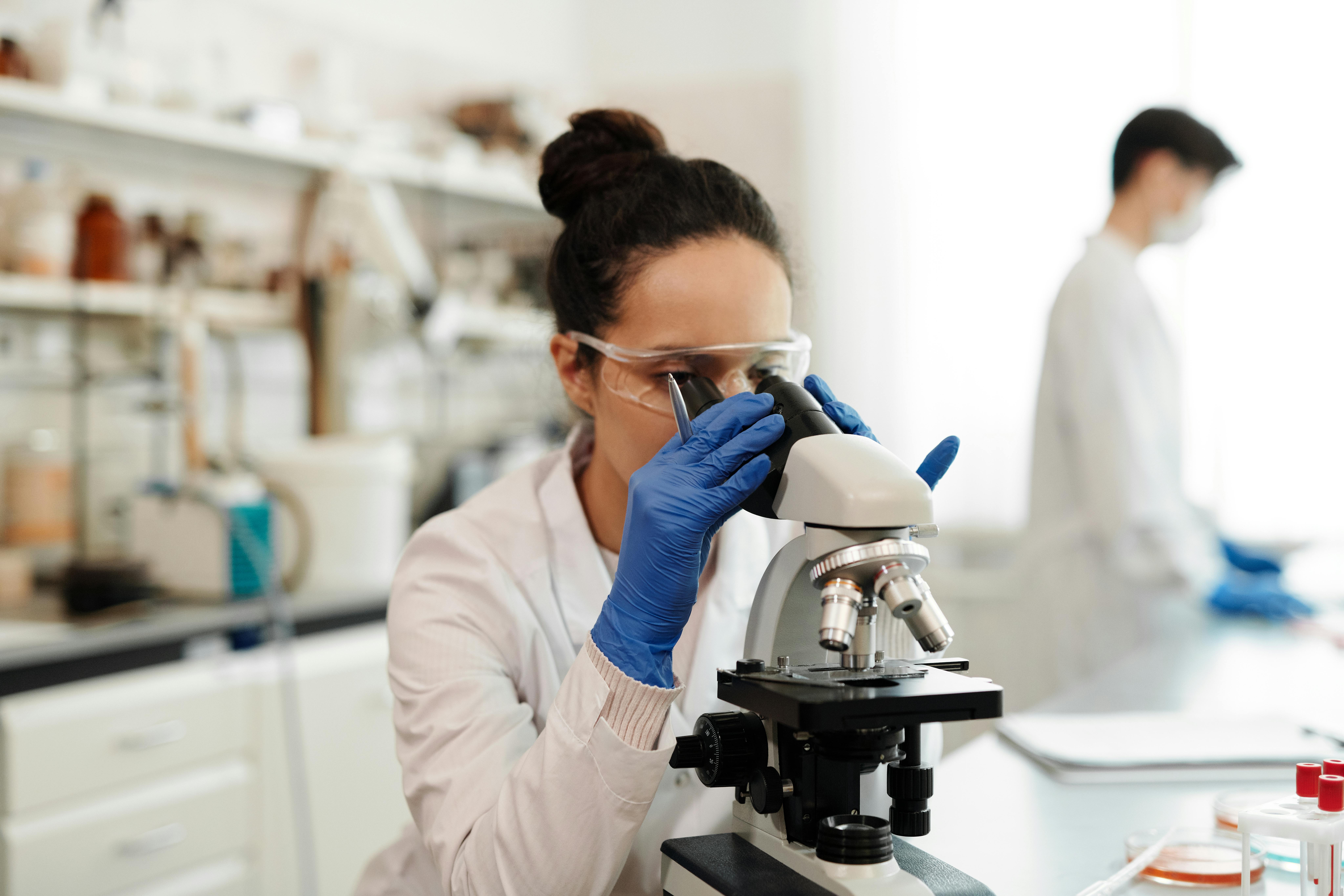
Reference populations are transforming how organizations analyze data, offering a powerful lens through which raw information becomes actionable intelligence with unprecedented

DNA identification stands at the crossroads of scientific precision and technological innovation, yet errors can emerge from both laboratory procedures and

Rapid DNA technology is transforming forensic science, criminal justice, and healthcare by delivering genetic analysis results in under two hours, reshaping
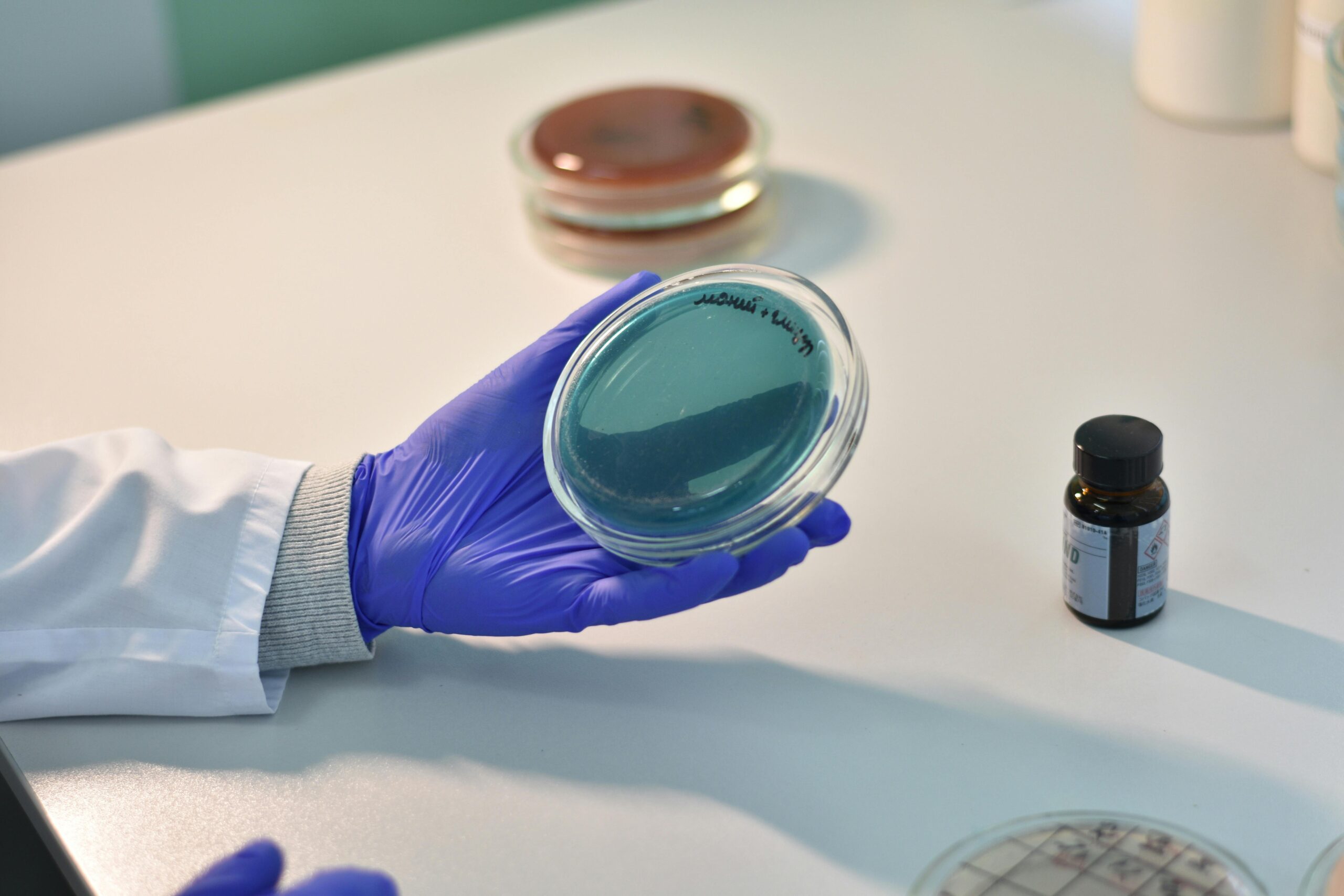
Forensic genetics has revolutionized criminal justice, yet hidden biases threaten to undermine its promise of objective truth and equal treatment under
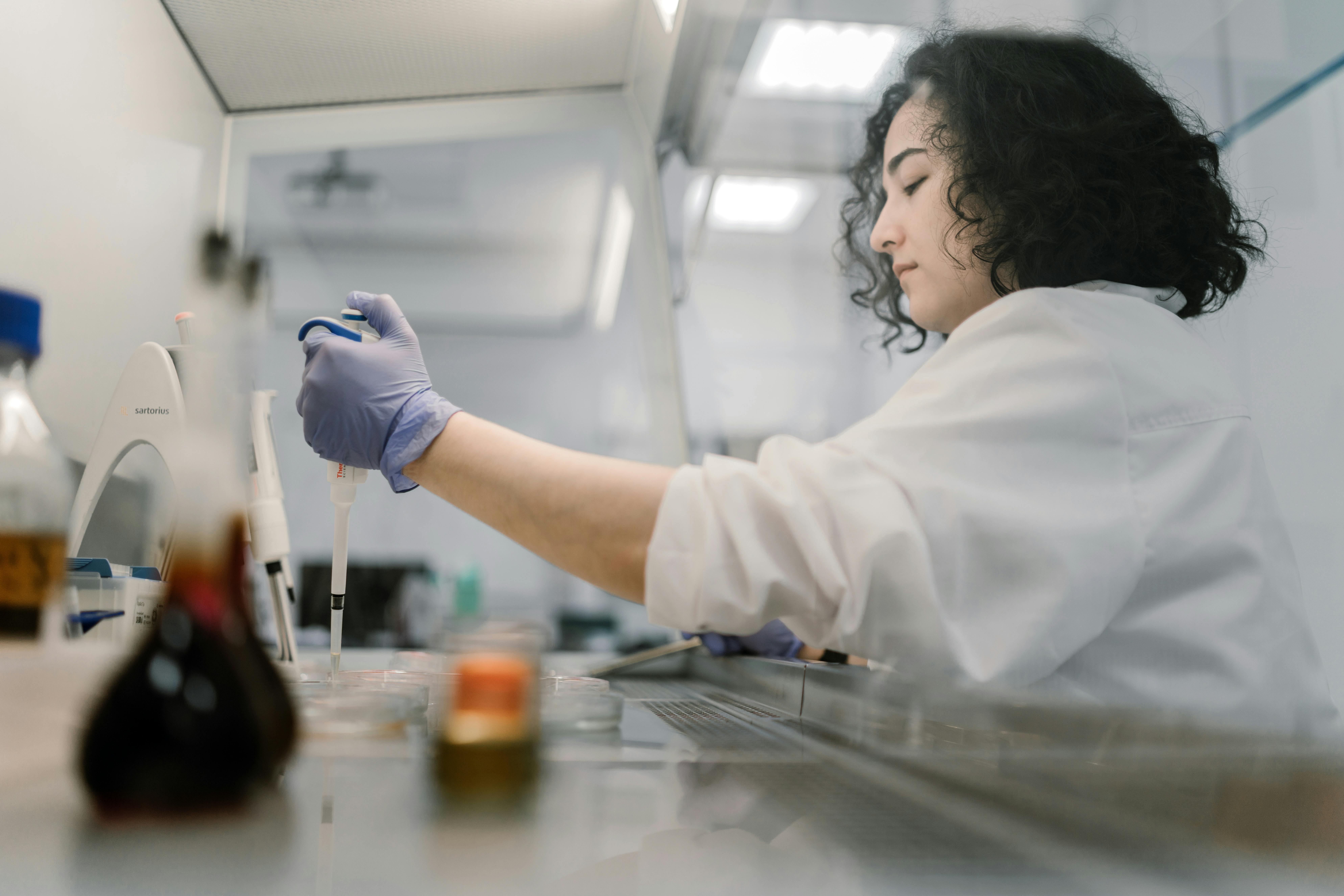
Achieving consistent and reliable cellular labeling hinges on strong inter-annotator agreement. This precision forms the backbone of accurate scientific research and

Cell matching efficiency is crucial for researchers and developers working with biological data, spatial analysis, and computational biology workflows. Open-source tools