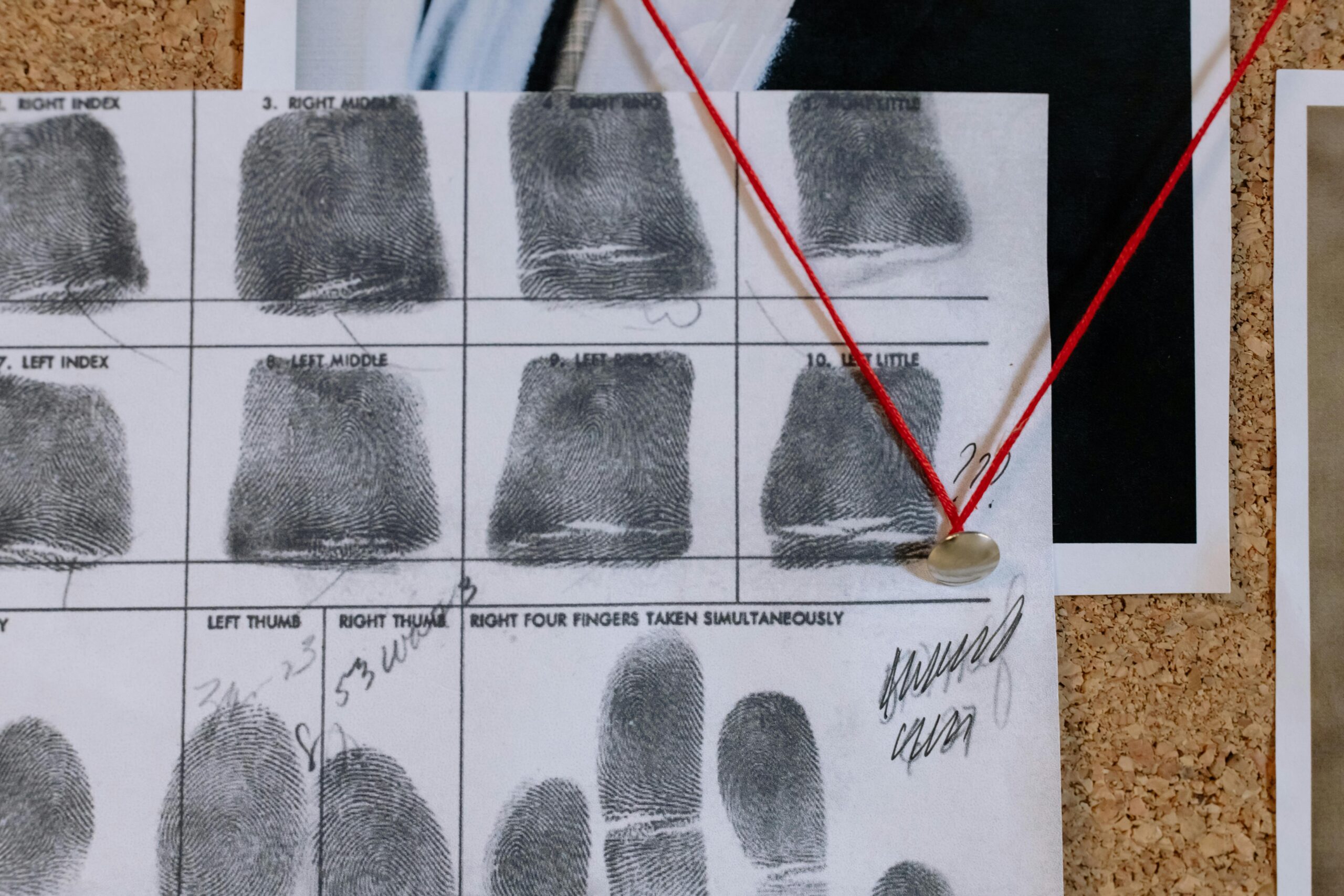
DNA-based identification has revolutionized how we verify identity, solve crimes, and understand our biological heritage in modern society.

From the moment scientists first unraveled the double helix structure of DNA in 1953, humanity gained access to what would become the most reliable biological fingerprint ever discovered. Unlike traditional identification methods that can be forged or altered, our genetic code provides an unchangeable blueprint that distinguishes each individual from billions of others. Today, DNA identification technologies permeate numerous aspects of our lives, from forensic investigations to personalized medicine, creating unprecedented opportunities while raising important ethical questions.
The applications of DNA-based identification extend far beyond what most people imagine. While crime scene investigations remain the most publicly visible use, genetic identification now plays crucial roles in healthcare, ancestry research, disaster victim identification, wildlife conservation, and even agricultural traceability. Understanding these real-world applications helps us appreciate both the transformative potential and the responsibilities that come with this powerful technology.
🔬 The Science Behind DNA Identification
DNA identification works by analyzing specific regions of our genetic code that vary significantly between individuals. The human genome contains approximately 3 billion base pairs, but forensic scientists focus on particular segments called Short Tandem Repeats (STRs) that show high variability across populations. These repeating sequences create unique patterns that serve as biological barcodes.
Modern DNA profiling typically examines 13 to 20 different STR locations, creating a genetic profile with astronomical odds of duplication. The probability that two unrelated individuals share the same DNA profile at all tested locations is approximately one in a quintillion—a number so large it exceeds the current human population by many magnitudes.
The process begins with sample collection, which can come from blood, saliva, hair follicles, skin cells, or any biological material containing nucleated cells. Laboratory technicians then extract DNA, amplify specific regions using Polymerase Chain Reaction (PCR), and analyze the results through electrophoresis or advanced sequencing technologies. The entire process, once taking weeks, can now be completed in hours with modern equipment.
⚖️ Revolutionary Impact on Criminal Justice
Forensic DNA analysis has fundamentally transformed criminal investigations and legal proceedings worldwide. Since its first use in a criminal case in 1986, DNA evidence has helped solve countless crimes, exonerate innocent individuals, and bring closure to families seeking justice.
Law enforcement agencies now routinely collect DNA evidence from crime scenes, comparing genetic profiles against national databases containing millions of records. In the United States, the Combined DNA Index System (CODIS) has facilitated over 500,000 investigations, generating leads that traditional methods would never have uncovered. Similar systems operate in the United Kingdom, Europe, Australia, and numerous other countries.
Cold Cases Reopened Through Genetic Evidence
Perhaps nowhere is DNA identification more powerful than in solving cold cases—investigations that went dormant years or decades ago due to insufficient evidence. Advances in DNA technology now allow scientists to extract usable genetic profiles from degraded samples that were previously considered worthless.
The Golden State Killer case exemplifies this potential. After evading capture for over 40 years, a serial killer was finally identified in 2018 through genetic genealogy—a technique combining DNA analysis with traditional genealogical research. Investigators uploaded crime scene DNA to public genealogy databases, identified distant relatives, and constructed family trees that ultimately led to the suspect.
This investigative approach, though controversial, has since helped solve dozens of previously unsolvable cases. It demonstrates how DNA identification extends beyond simple matching to incorporate complex relationship analysis and historical research.
Exonerating the Wrongfully Convicted
DNA evidence doesn’t just identify perpetrators—it also proves innocence. The Innocence Project, founded in 1992, has used DNA testing to exonerate over 375 wrongfully convicted individuals in the United States alone, including 21 who spent time on death row. These exonerations expose flaws in eyewitness testimony, faulty forensic techniques, and systemic failures in the justice system.
The average exoneree has spent 14 years in prison before DNA evidence cleared their name. These cases underscore both the power of genetic identification to correct injustices and the importance of maintaining biological evidence for future analysis as technologies improve.
🏥 Medical Applications and Personalized Healthcare
Beyond criminal justice, DNA-based identification plays an increasingly vital role in healthcare delivery and medical research. Genetic identification ensures accurate patient identification in healthcare settings, preventing medical errors that could result from mismatched records or samples.
Hospitals and laboratories use DNA matching to verify patient identity before transplant procedures, confirm biological relationships for organ donation eligibility, and ensure accurate attribution of laboratory results. This genetic verification adds a layer of safety impossible to achieve through traditional identification methods like patient wristbands or medical record numbers.
Pharmacogenomics and Treatment Optimization
DNA identification has evolved beyond simply confirming identity to enabling personalized medicine based on genetic profiles. Pharmacogenomic testing analyzes how an individual’s genetic makeup affects their response to medications, helping physicians prescribe the most effective drugs at optimal dosages while minimizing adverse reactions.
For example, genetic variants in the CYP2C19 gene significantly affect how patients metabolize clopidogrel, a common blood-thinning medication. Patients with certain variants may receive insufficient therapeutic benefit from standard doses, increasing their risk of cardiovascular events. DNA-based identification of these variants allows physicians to adjust treatment accordingly.
Similarly, genetic testing helps identify patients at high risk for severe reactions to specific drugs, such as carbamazepine in individuals carrying the HLA-B*1502 allele, preventing potentially fatal complications.
👨👩👧👦 Establishing Biological Relationships and Ancestry
DNA identification has revolutionized how we establish biological relationships, with applications ranging from paternity testing to comprehensive ancestry analysis. These applications touch deeply personal aspects of human identity and family connections.
Paternity testing represents one of the most common uses of DNA identification outside forensic contexts. Modern tests analyze genetic markers inherited from both parents, establishing biological relationships with over 99.9% accuracy. Courts routinely rely on DNA evidence in custody disputes, child support cases, and inheritance matters.
Immigration authorities in many countries use DNA testing to verify claimed family relationships when documentation is unavailable or questionable. This application has helped reunite separated families while also preventing fraudulent claims, though it raises ethical concerns about privacy and consent.
Ancestry and Genealogical Discovery 🌍
Consumer genetic testing has exploded in popularity, with companies like 23andMe, AncestryDNA, and MyHeritage collectively testing tens of millions of individuals worldwide. These services analyze hundreds of thousands of genetic markers to estimate ethnic origins, identify genetic relatives, and construct family trees.
For adopted individuals and those with unknown parentage, DNA testing offers unprecedented opportunities to discover biological relatives and learn about genetic heritage. Genetic genealogy databases have facilitated countless family reunions, connecting siblings separated at birth, helping adoptees find biological parents, and revealing previously unknown family connections.
However, these discoveries sometimes come with unexpected emotional complexity. Individuals have uncovered non-paternity events, unknown siblings, and family secrets that previous generations kept hidden, raising questions about the right to genetic privacy and the consequences of democratized genetic information.
🌊 Disaster Victim Identification and Mass Casualty Events
When disasters strike—whether natural catastrophes, terrorist attacks, or mass accidents—DNA identification becomes essential for identifying victims and providing closure to grieving families. Traditional identification methods like fingerprints or visual recognition often prove impossible when remains are severely damaged, fragmented, or decomposed.
DNA analysis remains viable even when other identification methods fail. Following the September 11 attacks, forensic scientists identified victims from tiny fragments of tissue, helping families recover and memorialize their loved ones. Similar efforts followed Hurricane Katrina, the 2004 Indian Ocean tsunami, and countless other tragedies.
The International Commission on Missing Persons (ICMP) has used DNA technology to identify victims of armed conflicts and human rights abuses, particularly in the former Yugoslavia. Since its establishment, the ICMP has coordinated DNA-based identification of over 70% of the 40,000 persons missing from the conflicts of the 1990s, bringing accountability and closure to communities devastated by violence.
Rapid DNA Technology for Emergency Response
Recent technological advances have produced Rapid DNA systems capable of generating DNA profiles in less than two hours, without requiring specialized laboratory facilities or trained analysts. These portable systems can be deployed directly to disaster sites, border crossings, or emergency operations centers.
Following mass casualty events, Rapid DNA technology accelerates victim identification, helping authorities notify families quickly and manage logistical challenges associated with remains handling. The technology has been successfully deployed following hurricanes, wildfires, and other disasters where rapid identification proves crucial.
🦁 Wildlife Conservation and Anti-Poaching Efforts
DNA identification isn’t limited to human applications—it has become an invaluable tool for wildlife conservation and combating illegal wildlife trade. Conservationists use genetic analysis to track endangered species populations, identify poached animals, and prosecute wildlife criminals.
When authorities seize ivory, rhino horn, or other wildlife products, DNA analysis can determine the species, geographic origin, and sometimes even the specific individual animal. This information helps investigators track poaching networks and connect seizures across different locations, building stronger legal cases against traffickers.
Conservation programs use DNA identification to monitor genetic diversity within endangered populations, identify individuals for breeding programs, and track animal movements across vast territories. This genetic information guides conservation strategies, helping managers make informed decisions about habitat protection and population management.
🌾 Agricultural Applications and Food Authentication
The food industry increasingly relies on DNA identification to verify product authenticity, trace supply chains, and prevent fraud. DNA barcoding helps identify plant and animal species in processed foods, detecting substitutions, contamination, or mislabeling that could affect consumer health or represent economic fraud.
Seafood fraud, where expensive fish species are substituted with cheaper alternatives, represents a significant problem in global markets. DNA testing reveals these substitutions, protecting consumers and honest suppliers while deterring fraudulent practices. Studies using DNA analysis have found mislabeling rates exceeding 30% in some seafood markets.
In agriculture, DNA identification helps protect plant breeders’ rights, verify seed authenticity, and trace contamination sources during food safety incidents. When E. coli outbreaks or other contamination events occur, genetic analysis can identify the specific production facility or farm responsible, enabling targeted responses rather than broad industry shutdowns.
🔐 Privacy Concerns and Ethical Considerations
As DNA identification becomes more widespread and accessible, serious questions about genetic privacy, consent, and data security have emerged. Unlike passwords or identification cards, genetic information cannot be changed if compromised, making its protection paramount.
The proliferation of consumer genetic testing has created massive databases containing the genetic information of millions of individuals. While these databases offer tremendous value for research and family connection, they also create potential for misuse. Law enforcement’s use of genealogy databases to solve crimes, while effective, raises concerns about informed consent and the appropriate balance between public safety and privacy rights.
Genetic information reveals not only details about the individual tested but also their relatives, creating complex questions about familial privacy. When one person uploads their DNA to a database, they potentially expose genetic information about parents, siblings, children, and extended family members who never consented to such disclosure.
Regulatory Frameworks and Data Protection
Different countries have adopted varying approaches to regulating DNA databases and genetic privacy. The European Union’s General Data Protection Regulation (GDPR) classifies genetic data as a special category requiring heightened protection. Several U.S. states have enacted genetic privacy laws, though federal protections remain limited.
The debate continues about appropriate retention policies for DNA profiles collected during criminal investigations, particularly for individuals arrested but never convicted. Balancing investigative utility against privacy rights and presumption of innocence presents ongoing challenges for policymakers.
🚀 Future Horizons in DNA Identification Technology
Emerging technologies promise to expand DNA identification capabilities while addressing current limitations. Next-generation sequencing allows comprehensive analysis of entire genomes rather than just selected markers, providing far more detailed genetic profiles.
Phenotyping techniques aim to predict physical characteristics from DNA samples, potentially allowing investigators to generate descriptions of unknown individuals from genetic evidence alone. While current phenotyping capabilities remain limited to broad characteristics like ancestry and eye color, future advances may enable more detailed predictions.
Portable DNA analysis devices continue to shrink in size and cost while improving capability. Future systems may enable field testing by first responders, border agents, or even individuals, democratizing access to genetic identification technology while raising new privacy and ethical questions.
Artificial intelligence and machine learning algorithms increasingly assist DNA analysis, identifying patterns in complex genetic data and accelerating interpretation. These computational tools will likely become essential as genetic databases grow and analysis becomes more sophisticated.

🎯 Balancing Innovation with Responsibility
DNA-based identification represents one of humanity’s most powerful tools for establishing identity, solving crimes, advancing healthcare, and understanding our biological heritage. Its applications continue expanding as technology improves and costs decrease, touching ever more aspects of daily life.
However, this power carries profound responsibilities. Society must thoughtfully address questions about genetic privacy, equitable access to testing, appropriate use of genetic databases, and protection against discrimination based on genetic information. The conversations happening today will shape how future generations experience and benefit from genetic identification technologies.
As we move forward, maintaining public trust requires transparency about how genetic information is collected, stored, and used. Robust legal protections, ethical guidelines, and technological safeguards must evolve alongside the science itself, ensuring that DNA identification serves humanity’s best interests while respecting individual rights and dignity.
The unlocking of identity through DNA represents a remarkable scientific achievement with transformative real-world applications. By understanding these applications and their implications, we can harness genetic identification’s tremendous potential while navigating its challenges responsibly, creating a future where this technology serves justice, health, and human connection while protecting the privacy and autonomy that remain fundamental to human dignity. 🧬