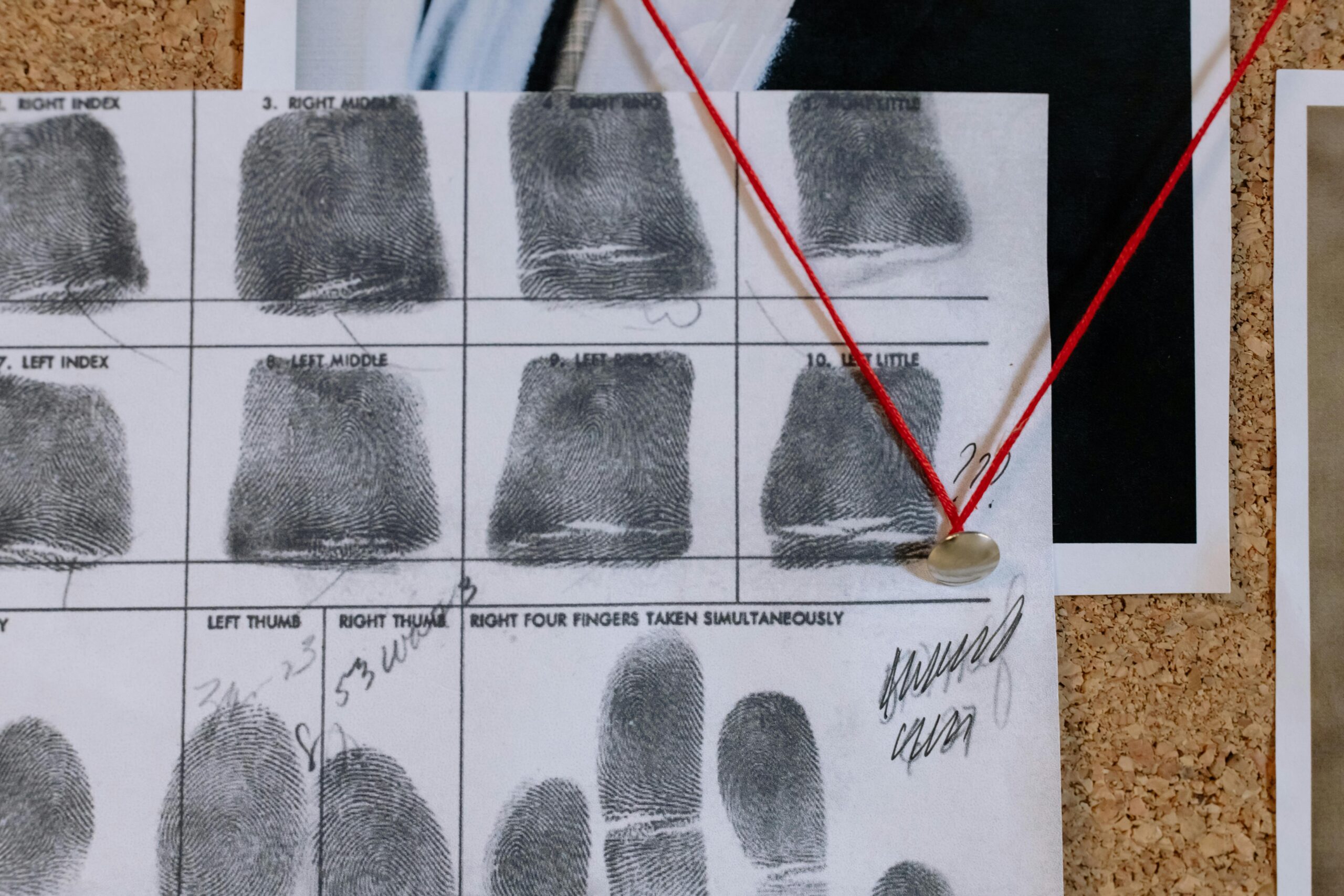
DNA has revolutionized how we identify individuals, solve crimes, and understand our genetic heritage. This powerful molecule holds secrets that transform science, justice, and medicine.

🧬 The Revolutionary Science Behind DNA Identification
Deoxyribonucleic acid, commonly known as DNA, represents one of humanity’s most significant scientific discoveries. Since its structure was first revealed in 1953, DNA has become the gold standard for biological identification. Every cell in your body contains this complex molecule, carrying unique genetic information that distinguishes you from virtually every other person on Earth.
The power of DNA lies in its specificity. Except for identical twins, no two individuals share the same complete DNA sequence. This uniqueness makes DNA analysis an invaluable tool across multiple fields, from criminal investigations to paternity testing, from identifying disaster victims to tracing ancestral lineages.
Modern DNA identification techniques analyze specific regions of the genome that vary significantly between individuals. These regions, called polymorphisms, serve as genetic markers that create a distinctive profile for each person. The probability of two unrelated individuals sharing the same DNA profile is extraordinarily low—often less than one in several billion.
How DNA Testing Actually Works: From Sample to Profile
Understanding DNA identification requires knowing the process from collection to analysis. The journey begins with sample collection, which can come from various biological sources including blood, saliva, hair follicles, skin cells, or other tissues. Even minute quantities can yield usable DNA for testing.
Once collected, the DNA extraction process begins. Laboratory technicians break down cell membranes and remove proteins, leaving purified DNA molecules. This extracted DNA then undergoes amplification through a technique called Polymerase Chain Reaction (PCR), which creates millions of copies of specific DNA segments for analysis.
The most common method for forensic identification is Short Tandem Repeat (STR) analysis. This technique examines specific locations on chromosomes where short DNA sequences repeat. The number of repeats varies between individuals, creating unique patterns. By analyzing 13 to 20 different STR locations, forensic scientists can generate a DNA profile with remarkable discriminatory power.
The Technical Process Breakdown
The complete DNA identification process involves several critical stages. First comes collection and preservation, where maintaining sample integrity is paramount. Contamination or degradation can compromise results, so strict protocols govern handling procedures.
Next, quantification determines how much DNA is present in the sample. This step ensures sufficient genetic material exists for testing and helps technicians adjust analysis parameters accordingly. Following quantification, amplification multiplies target DNA regions to detectable levels.
Finally, detection and analysis occur using sophisticated instruments like genetic analyzers. These machines separate DNA fragments by size and generate electropherograms—visual representations of DNA profiles that analysts interpret to create the final identification.
🔍 Real-World Applications Transforming Society
DNA identification technology extends far beyond television crime dramas. Its applications touch countless aspects of modern life, from ensuring justice to reuniting families and advancing medical knowledge.
Criminal Justice and Forensic Science
Perhaps the most recognized application, forensic DNA analysis has transformed criminal investigations. DNA evidence can conclusively link suspects to crime scenes, exonerate the innocent, and solve cold cases decades old. National DNA databases like CODIS in the United States contain millions of profiles, enabling investigators to match evidence across jurisdictions.
The impact has been profound. According to the Innocence Project, DNA evidence has exonerated over 375 wrongly convicted individuals in the United States alone. These cases demonstrate both the power of DNA to reveal truth and the importance of rigorous scientific standards in legal proceedings.
Crime scene investigators can recover DNA from cigarette butts, drinking glasses, clothing, weapons, or anywhere biological material might transfer. Even touch DNA—genetic material left behind from simple contact—can provide sufficient evidence for identification, though this technique raises some reliability concerns we’ll explore later.
Paternity and Family Relationship Testing
DNA testing has become the definitive method for establishing biological relationships. Paternity tests compare a child’s DNA profile with alleged parents, analyzing inherited genetic markers. The test can confirm or exclude paternity with accuracy exceeding 99.9%.
Beyond paternity, DNA testing can establish siblingship, grandparentage, and other family connections. These tests serve legal purposes like custody disputes and inheritance claims, but also fulfill personal needs for individuals seeking biological relatives or adopted persons searching for birth families.
Disaster Victim Identification
Following mass disasters—whether natural catastrophes, terrorist attacks, or accidents—DNA identification provides crucial closure to grieving families. When traditional identification methods fail due to body condition, DNA analysis offers reliable victim identification.
The 2001 World Trade Center attacks, the 2004 Indian Ocean tsunami, and countless airline disasters have relied heavily on DNA identification. International protocols now guide disaster victim identification efforts, with DNA testing forming a cornerstone of these procedures.
Medical Applications and Personalized Healthcare
The medical field increasingly leverages DNA identification for patient safety and personalized treatment. Hospitals use DNA testing to prevent patient misidentification, ensure correct organ matching for transplants, and verify biological samples in laboratories.
Pharmacogenomics—studying how genes affect medication response—uses DNA analysis to optimize drug selection and dosing. This personalized approach reduces adverse reactions and improves treatment effectiveness, representing the future of precision medicine.
📊 Understanding the Accuracy and Reliability Factors
While DNA identification is remarkably powerful, understanding its accuracy requires nuance. Several factors influence reliability, and recognizing these limitations is essential for proper application and interpretation.
| Factor | Impact on Reliability | Mitigation Strategies |
|---|---|---|
| Sample Quality | Degraded DNA reduces profile completeness | Proper collection, storage, advanced techniques |
| Contamination | Foreign DNA creates mixed profiles | Strict protocols, clean room procedures |
| Sample Quantity | Insufficient DNA prevents analysis | Sensitive amplification methods, touch DNA protocols |
| Technical Errors | Human or equipment mistakes | Quality control, proficiency testing, validation |
Statistical interpretation also plays a crucial role. When analysts report a DNA match, they provide probability statistics indicating how likely the profile would occur in the general population. These statistics depend on databases of allele frequencies across different ethnic groups, and their accuracy relies on representative population data.
⚠️ The Critical Limitations You Must Know
Despite its power, DNA identification faces important limitations that practitioners, legal professionals, and the public must understand. Recognizing these constraints ensures appropriate application and prevents miscarriages of justice.
Identical Twins: The Ultimate Challenge
Standard DNA testing cannot distinguish between identical twins. Since they share the same genetic code, conventional forensic analysis produces identical profiles. This limitation has created legal challenges in criminal cases involving identical twins as suspects.
Emerging techniques examining epigenetic modifications—chemical changes to DNA that don’t alter the sequence—show promise for twin differentiation, but these methods remain experimental and aren’t yet courtroom-ready.
Contamination and Sample Degradation
DNA samples are vulnerable to contamination from multiple sources. Crime scenes often contain DNA from victims, suspects, investigators, and unrelated individuals. Sorting out these mixed profiles challenges even experienced analysts and can lead to inconclusive or misinterpreted results.
Environmental factors degrade DNA over time. Heat, humidity, ultraviolet light, and microbial activity break down genetic material. Ancient or poorly preserved samples may yield partial profiles insufficient for definitive identification. The quality and completeness of DNA profiles directly affect their evidentiary value.
Touch DNA: Promise and Pitfalls
Touch DNA technology can recover genetic material from objects merely touched, revolutionizing evidence collection. However, this sensitivity creates interpretation problems. DNA transfer can occur through secondary contact—touching an object someone else previously touched—creating innocent explanations for DNA presence at crime scenes.
This transfer phenomenon complicates causation questions. Finding someone’s DNA at a location doesn’t necessarily prove they committed a crime or were even present when it occurred. Context and corroborating evidence remain essential for proper interpretation.
Database Limitations and Familial Searching
DNA databases only help when profiles exist for comparison. Criminals without prior arrests or samples evade database matches. Additionally, database demographics may not represent entire populations, potentially skewing statistics and affecting certain communities disproportionately.
Familial searching—using partial matches to identify relatives of unknown suspects—extends database utility but raises privacy concerns. This technique has solved difficult cases but also enables genetic surveillance that many find troubling.
Human Error and Laboratory Standards
Like all scientific procedures, DNA analysis depends on human expertise and laboratory quality. Errors in collection, analysis, or interpretation can produce incorrect results. High-profile cases have revealed laboratory misconduct, contamination, and incompetence leading to wrongful convictions.
Accreditation, proficiency testing, and quality assurance programs work to minimize errors, but the human element ensures some risk persists. Defense attorneys increasingly challenge DNA evidence, examining laboratory procedures and analyst qualifications to ensure reliability.
🌐 Privacy, Ethics, and the Future of Genetic Identification
As DNA identification technology advances, society faces profound privacy and ethical questions. The same power that solves crimes and saves lives also enables surveillance and raises discrimination concerns.
Privacy in the Genetic Age
Your DNA reveals incredibly personal information—disease predispositions, ancestry, and potentially behavioral traits. Unlike passwords, you cannot change your genetic code. Once your DNA profile enters a database, questions arise about who accesses it, for what purposes, and with what safeguards.
Consumer genetic testing services have created voluntary databases containing millions of profiles. Law enforcement has used these databases to solve cases through genealogical searching, identifying suspects via relatives who submitted DNA for ancestry or health information. While this technique has solved notorious cold cases, it raises questions about informed consent and reasonable privacy expectations.
Regulatory and Legal Frameworks
Different jurisdictions regulate DNA collection, storage, and use differently. Some countries mandate DNA collection from all arrestees; others restrict it to convicted offenders. Retention policies vary—some jurisdictions destroy profiles after certain periods, while others maintain them indefinitely.
Legal standards for DNA evidence admissibility also vary. Courts balance the probative value against potential prejudice, considering factors like laboratory accreditation, analyst qualifications, and proper statistical interpretation. Defense challenges increasingly focus on transfer scenarios, contamination risks, and interpretation uncertainties.
Emerging Technologies and Future Directions
DNA identification continues evolving rapidly. Next-generation sequencing technologies promise faster, cheaper, and more comprehensive analysis. Rapid DNA instruments enable profile generation in under two hours, potentially allowing identification at booking stations or disaster sites without laboratory delays.
Phenotyping—predicting physical appearance from DNA—remains controversial but advancing. While eye color and ancestry predictions show reliability, predictions for features like face shape remain imprecise. Concerns about racial profiling and misuse temper enthusiasm for these developing capabilities.
Portable DNA analysis devices could eventually bring testing to field locations, though maintaining quality standards outside controlled laboratories presents challenges. As technology advances, balancing capability with appropriate safeguards becomes increasingly important.
💡 Making Informed Decisions About DNA Testing
Whether considering consumer DNA testing, facing legal situations involving genetic evidence, or simply understanding this technology’s role in society, informed decision-making requires balanced knowledge of both capabilities and limitations.
Questions to Consider
- What specific purpose does the DNA test serve, and is it the appropriate tool?
- Who will access the results, and what privacy protections exist?
- What are the accuracy rates and potential limitations for your specific application?
- How will results be interpreted, and by whom?
- What are the potential consequences—intended and unintended—of testing?
For legal situations, ensure DNA evidence undergoes proper scrutiny. Challenge laboratory procedures when appropriate, demand clear statistical explanations, and consider alternative explanations for DNA presence. The power of DNA evidence can overwhelm juries, making critical evaluation essential.
For personal testing, understand privacy policies thoroughly. Research whether companies share data with third parties, including law enforcement. Consider using pseudonyms where permitted, and recognize that genetic privacy extends beyond you to biological relatives who share your DNA.

🎯 The Balanced Perspective on DNA’s Role
DNA identification represents one of science’s greatest contributions to justice, medicine, and human knowledge. Its power to reveal biological truth has solved countless crimes, exonerated hundreds of innocent people, reunited families, and advanced medical care. The technology continues evolving, promising even greater capabilities.
However, DNA testing is neither infallible nor without limitations. Sample quality issues, contamination risks, transfer phenomena, and interpretation challenges can all affect reliability. The technology’s power also raises profound privacy concerns requiring thoughtful policy responses balancing public safety with individual rights.
Understanding both the remarkable capabilities and important limitations of DNA identification enables society to harness its benefits while implementing appropriate safeguards. As technology advances, maintaining this balanced perspective becomes increasingly crucial. DNA’s power should inspire neither blind faith nor unwarranted skepticism, but rather informed appreciation for both what it can accomplish and where caution remains essential.
The future of DNA identification will undoubtedly bring new capabilities and challenges. By grounding policy, practice, and personal decisions in comprehensive understanding, we can maximize this technology’s benefits while protecting fundamental rights and values. The journey of DNA science continues, and staying informed ensures we navigate its evolution wisely.