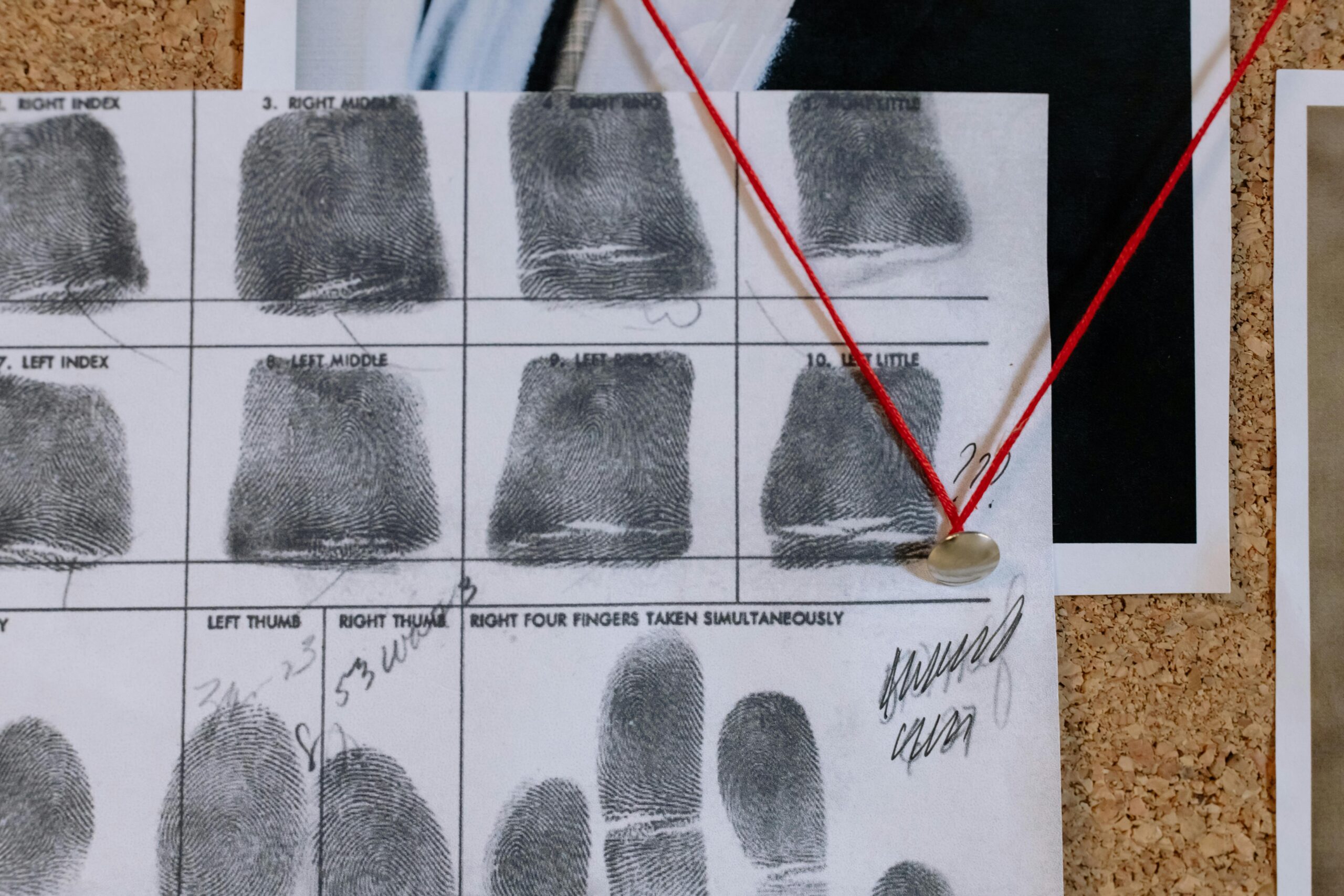
DNA is everywhere around us, hidden in plain sight within our homes, workplaces, and natural environments. Understanding where genetic material exists and how to protect it opens fascinating insights into forensic science, biology, and everyday health.

🧬 The Invisible Blueprint: What DNA Really Means in Our Daily Lives
Deoxyribonucleic acid, commonly known as DNA, serves as the fundamental instruction manual for all living organisms. This remarkable molecule contains the genetic code that determines everything from our eye color to our susceptibility to certain diseases. Beyond its biological significance, DNA has become increasingly relevant in various practical applications, from ancestry testing to criminal investigations.
The presence of DNA in our surroundings is far more extensive than most people realize. Every time we touch a surface, shed skin cells, or leave behind a strand of hair, we’re depositing microscopic amounts of genetic material. This ubiquitous nature of DNA makes it both an incredibly useful forensic tool and a potential source of privacy concerns in our modern world.
Understanding DNA sources and contamination risks has become essential knowledge not just for scientists and law enforcement professionals, but for anyone interested in genetic testing, health monitoring, or simply appreciating the molecular world around us.
Everyday Sources: Where DNA Hides in Plain Sight
Our homes function as massive repositories of genetic information. DNA accumulates on countless surfaces through normal daily activities, creating an invisible biological signature of everyone who lives there or visits regularly.
Personal Items as DNA Goldmines 💎
Toothbrushes represent one of the richest sources of DNA in any household. The bristles collect epithelial cells from the mouth’s interior lining every time we brush, making them ideal samples for genetic testing when needed. Similarly, hairbrushes contain not just shed hair strands but also skin cells from the scalp, providing multiple DNA sources in a single item.
Drinking glasses and eating utensils retain saliva traces long after use. Even after washing, microscopic amounts of genetic material can persist in tiny scratches and crevices. This persistence explains why forensic teams carefully collect such items from crime scenes.
Clothing, especially items worn close to the skin like underwear or worn socks, accumulates substantial amounts of DNA through constant contact with skin cells and bodily fluids. The fabric fibers trap these cells, preserving them for extended periods.
Biological Fluids and Tissues
Blood remains one of the most concentrated sources of DNA available. A single drop contains millions of white blood cells, each packed with genetic material. This abundance makes blood samples ideal for medical testing and forensic analysis.
Saliva offers another readily accessible DNA source. The average person produces between one and two liters of saliva daily, and this fluid contains numerous buccal cells from the mouth’s inner cheeks. This accessibility explains why many at-home DNA testing kits rely on saliva collection.
Other bodily fluids including tears, sweat, urine, and mucus all contain varying amounts of DNA. Even fingerprints left on surfaces can yield sufficient genetic material for modern analysis techniques, as skin oils mixed with shed cells create identifiable DNA deposits.
🏠 The Home Environment: A DNA Ecosystem
Every room in our homes tells a genetic story. Bedrooms accumulate DNA through shed skin cells on pillows, sheets, and mattresses. Studies suggest we shed approximately 30,000 to 40,000 skin cells every hour, with many ending up in our sleeping environment.
Kitchen and Bathroom Concentrations
Kitchens harbor DNA on refrigerator handles, cabinet knobs, and food preparation surfaces. Shared spaces like dining tables accumulate genetic material from multiple family members, creating mixed DNA profiles that reflect household composition.
Bathrooms concentrate DNA sources through towels, razors, soap bars, and sink handles. The combination of moisture and organic material creates conditions where DNA can persist for extended periods, though degradation occurs faster in humid environments.
Pet DNA Considerations 🐕
Households with pets introduce additional genetic complexity. Animal hair, dander, and saliva distribute throughout living spaces, mixing with human DNA. This intermingling becomes relevant for people with allergies or when conducting forensic investigations, as analysts must distinguish between human and animal genetic material.
Professional and Public Spaces: Shared DNA Environments
Workplaces function as communal DNA repositories where colleagues unknowingly exchange genetic traces. Computer keyboards, door handles, shared phones, and coffee pot handles all accumulate DNA from multiple users throughout the day.
Public transportation presents particularly complex DNA environments. Bus seats, subway poles, and airplane tray tables contact thousands of individuals, creating layered deposits of genetic material. These surfaces become challenging for forensic analysis due to the sheer number of contributors.
Restaurants and cafes maintain DNA on menus, condiment bottles, and chair armrests. Even after cleaning, traces persist in microscopic quantities sufficient for modern detection methods.
🔬 Medical and Research Applications of DNA Sources
Healthcare facilities rely on various DNA sources for diagnostic purposes. Blood draws remain standard for comprehensive genetic testing, but less invasive methods have gained popularity. Cheek swabs provide quick, painless DNA collection suitable for many applications from paternity testing to pharmacogenomic analysis.
At-Home DNA Testing Revolution
Consumer genetic testing has transformed how people access their DNA information. Companies offering ancestry and health insights typically use saliva collection kits that customers complete at home. These kits include stabilizing solutions that preserve DNA during shipping to laboratories.
The convenience of home testing has democratized genetic knowledge, but it also raises questions about sample handling and potential contamination. Following collection instructions precisely ensures accurate results and prevents external DNA from compromising samples.
Understanding Contamination: The Invisible Threat
DNA contamination occurs when genetic material from unintended sources mixes with target samples. This mixing can produce misleading results in forensic investigations, medical diagnostics, or research studies. Contamination happens more easily than most people realize, as DNA’s microscopic nature allows it to transfer through indirect contact.
Primary Contamination Routes ⚠️
Direct contact represents the most obvious contamination pathway. Touching a sample with bare hands introduces DNA from skin cells and oils. Even gloved contact can transfer genetic material if gloves previously touched contaminated surfaces.
Airborne contamination occurs through respiratory droplets and shed skin cells floating in air. Speaking, coughing, or sneezing near samples can deposit DNA-containing particles. Laboratory environments combat this through controlled air filtration and positive pressure systems.
Equipment contamination happens when tools used for multiple samples retain traces of previous DNA. Pipettes, collection swabs, and storage containers must be properly sterilized between uses to prevent cross-contamination.
Environmental Factors Affecting DNA Integrity
Temperature fluctuations accelerate DNA degradation. Heat causes the double helix structure to denature, breaking the bonds between base pairs. Cold storage preserves samples better, which explains why biological samples are often frozen for long-term storage.
Humidity and moisture create conditions favoring bacterial and fungal growth. These microorganisms produce enzymes called nucleases that break down DNA molecules. Dried samples generally preserve better than wet ones for this reason.
UV radiation from sunlight damages DNA by creating thymine dimers, which distort the molecular structure. Samples exposed to direct sunlight degrade rapidly, losing their analytical value within hours or days depending on conditions.
🛡️ Safeguarding DNA: Prevention Strategies for Different Scenarios
Proper sample collection technique forms the first line of defense against contamination. Using sterile collection tools, wearing appropriate protective equipment, and following standardized protocols minimizes contamination risks substantially.
Home DNA Collection Best Practices
When collecting DNA samples at home for testing purposes, avoid eating, drinking, or smoking for at least 30 minutes before collection. These activities introduce foreign DNA and substances that can interfere with analysis.
Use only provided collection materials without touching the sampling end. Many at-home kits include swabs or collection tubes specifically designed to minimize contamination. Handle these items only by designated grip areas.
Seal samples immediately after collection using provided containers. Exposure to open air increases contamination and degradation risks. Follow storage instructions precisely, as some kits require room temperature storage while others need refrigeration.
Professional Environment Protocols
Laboratories implement strict contamination prevention measures including dedicated workspaces for different activities. Pre-PCR (DNA amplification) work occurs in separate rooms from post-PCR analysis to prevent amplified DNA from contaminating new samples.
Personal protective equipment including disposable gloves, lab coats, face masks, and hair covers creates barriers between personnel and samples. Changing gloves between samples prevents cross-contamination through direct transfer.
Regular decontamination procedures using DNA-degrading solutions (like bleach or specialized enzymes) clean work surfaces. UV light exposure also helps destroy residual DNA on equipment and work areas.
Forensic Considerations: When DNA Evidence Matters Most 🔍
Criminal investigations depend on pristine DNA evidence collection. Contamination can invalidate evidence, create false leads, or compromise prosecutions. Forensic teams follow rigorous protocols to maintain evidence integrity from crime scenes through laboratory analysis.
Chain of Custody Protection
Documenting who handles evidence and when prevents contamination claims and ensures sample integrity. Each transfer between personnel requires signature confirmation and secure storage between handling episodes.
Crime scene investigators wear full protective suits to prevent their DNA from contaminating evidence. They work methodically from least contaminated areas toward most contaminated, preventing inadvertent transfer between locations.
Reference samples from investigators and laboratory personnel are maintained in databases. This allows analysts to identify and exclude contamination from known handlers if unexpected DNA profiles appear in evidence samples.
🧪 Technological Advances in DNA Detection and Protection
Modern analytical techniques can detect DNA from increasingly smaller samples. Touch DNA analysis identifies individuals from skin cells left by brief contact with objects. This sensitivity creates both opportunities and challenges regarding contamination.
Next-Generation Sequencing Impact
Advanced sequencing technologies can analyze degraded or mixed DNA samples that older methods couldn’t process. However, this increased sensitivity also means greater susceptibility to contamination detection, requiring even more stringent prevention measures.
Bioinformatics tools help identify contamination by analyzing sequence data for unexpected genetic profiles. These computational approaches can sometimes distinguish true sample DNA from contaminating sources based on relative abundance and sequence characteristics.
Privacy and Ethical Dimensions of Ubiquitous DNA
The ease of collecting DNA from everyday environments raises significant privacy concerns. Genetic information reveals intimate details about individuals including health predispositions, ancestry, and biological relationships. Unauthorized DNA collection and analysis poses ethical challenges for society.
Legal frameworks vary globally regarding DNA collection, storage, and use. Some jurisdictions strictly regulate genetic information as sensitive personal data, while others maintain more permissive approaches. Understanding local regulations helps individuals protect their genetic privacy.
🎯 Practical Takeaways: Applying DNA Knowledge Daily
Awareness of DNA sources empowers informed decisions about genetic testing, health monitoring, and privacy protection. Simple actions like properly disposing of personal items, understanding what genetic testing companies do with samples, and recognizing contamination risks improve outcomes.
For those undergoing genetic testing, following instructions precisely ensures accurate results. Contamination prevention isn’t just a laboratory concern but something individuals can actively practice during home sample collection.
In forensic situations, preserving potential DNA evidence properly can prove crucial. Avoiding touching items unnecessarily and storing them appropriately maintains their evidentiary value until professionals can collect them properly.

Looking Forward: The Future of DNA in Everyday Life
Genetic technologies continue advancing rapidly, making DNA analysis more accessible and informative. Future applications may include routine health monitoring through environmental DNA collection, personalized medicine based on continuous genetic tracking, and enhanced forensic capabilities.
These advances will require evolving approaches to contamination prevention and privacy protection. As DNA analysis becomes ubiquitous, society must balance technological benefits against individual rights and practical safeguarding needs.
Education about DNA sources, contamination risks, and protection strategies prepares individuals to navigate this genetic future confidently. Understanding these concepts transforms DNA from mysterious genetic code into actionable knowledge applicable across numerous life situations.
The mysteries of DNA continue unfolding as science reveals new aspects of this remarkable molecule. By understanding where DNA exists in our everyday environments and how to protect its integrity, we gain valuable insights into biology, health, forensics, and the molecular world constantly surrounding us. This knowledge empowers better decisions regarding genetic testing, evidence handling, and privacy protection in our increasingly DNA-aware society.