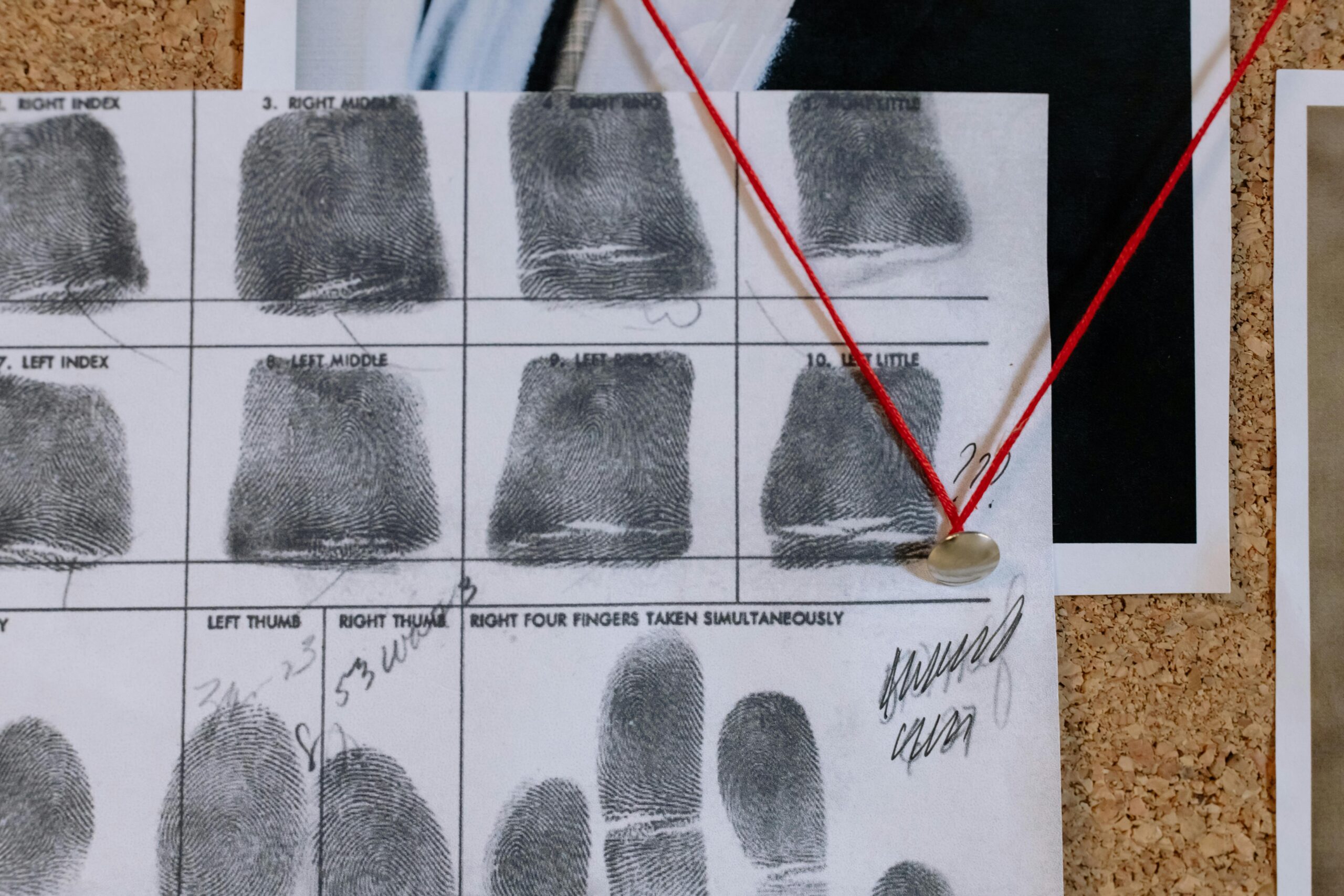
DNA evidence has revolutionized criminal justice, transforming how investigators solve crimes and courts determine guilt or innocence in ways unimaginable just decades ago.

🔬 The Double-Edged Sword of Genetic Evidence
Since its first use in a criminal case in 1986, DNA profiling has become one of the most powerful tools in forensic science. This remarkable technology can definitively link suspects to crime scenes, identify victims, and—perhaps most importantly—free the wrongfully convicted. The microscopic genetic code within our cells holds secrets that can either seal a defendant’s fate or open prison doors for the innocent.
The impact of DNA evidence extends far beyond individual cases. It has fundamentally altered how law enforcement investigates crimes, how prosecutors build cases, and how defense attorneys protect their clients. Understanding how this technology works and its implications for justice is essential in our modern legal landscape.
Understanding the Basics: What Makes DNA Evidence So Powerful?
Deoxyribonucleic acid, or DNA, is the hereditary material present in nearly every cell of the human body. With the exception of identical twins, each person’s DNA is unique—a biological fingerprint that remains constant throughout life. This uniqueness is what makes DNA such compelling evidence in criminal proceedings.
DNA profiling doesn’t examine the entire genetic code. Instead, forensic scientists focus on specific regions called short tandem repeats (STRs), which vary greatly between individuals. By analyzing 13 to 20 of these markers, forensic laboratories can create a genetic profile with odds of a random match often exceeding one in several billion.
Where DNA Evidence Comes From
Crime scenes yield various biological materials that contain DNA. Investigators collect samples from multiple sources, each potentially holding the key to solving a case:
- Blood stains and dried blood samples
- Saliva on cigarette butts, bottles, or stamps
- Hair follicles with attached roots
- Skin cells from touched objects
- Semen and other bodily fluids
- Tissue samples
- Bone and teeth fragments
The collection, preservation, and analysis of these samples follow strict protocols to maintain the chain of custody and ensure the integrity of evidence. Even microscopic amounts of biological material can yield usable DNA profiles with modern technology.
⚖️ How DNA Exonerates the Innocent
Perhaps no aspect of DNA evidence is more profound than its power to free the wrongfully convicted. The Innocence Project, founded in 1992, has used DNA testing to exonerate over 375 people in the United States alone, including 21 who served time on death row.
These exonerations reveal troubling patterns in wrongful convictions. Eyewitness misidentification, false confessions, inadequate legal defense, and misconduct by officials have all contributed to imprisoning innocent people. DNA evidence has the unique ability to cut through these failures and provide objective proof of innocence.
The Science of Exclusion
When DNA evidence exonerates someone, it works through exclusion. If a suspect’s DNA profile doesn’t match biological evidence from a crime scene—and that evidence came from the perpetrator—the science definitively proves that person couldn’t have committed the crime. Unlike circumstantial evidence, which requires interpretation, DNA exclusion is unambiguous.
Consider the case of Kirk Bloodsworth, the first person in the United States exonerated from death row through DNA evidence. Convicted in 1985 for the sexual assault and murder of a nine-year-old girl based largely on eyewitness testimony, Bloodsworth maintained his innocence. DNA testing in 1993 proved the semen recovered from the victim didn’t match his genetic profile, resulting in his release after nearly nine years of imprisonment.
Post-Conviction DNA Testing
Many exonerations occur years or even decades after conviction. Biological evidence from old cases, properly stored, can be retested with modern techniques that are far more sensitive and accurate than those available when the crimes originally occurred.
However, access to post-conviction DNA testing isn’t automatic. Inmates must typically file motions demonstrating that DNA testing could prove their innocence and that the evidence still exists. Legal barriers, costs, and resistance from prosecutors can delay or prevent testing, leaving potentially innocent people behind bars.
🔍 How DNA Implicates Suspects
While exonerations capture headlines, DNA evidence more commonly helps identify and convict guilty parties. When a suspect’s DNA profile matches biological evidence from a crime scene, it creates powerful proof of their presence and involvement.
The strength of a DNA match depends on several factors. The number of genetic markers compared, the quality of the sample, and the statistical probability of a random match all influence how compelling the evidence appears to juries and judges.
Direct Matches and Database Hits
Law enforcement agencies maintain DNA databases containing profiles from convicted offenders, arrestees, and crime scene evidence. In the United States, the Combined DNA Index System (CODIS) connects federal, state, and local databases, enabling investigators to search for matches across jurisdictions.
When crime scene DNA matches a profile in these databases, it can crack cold cases that stumped investigators for years. The Golden State Killer case, solved in 2018 after more than four decades, demonstrated how DNA evidence combined with genetic genealogy databases could identify suspects who had evaded justice for generations.
Transfer DNA and Contamination Concerns
Modern DNA collection techniques are so sensitive they can detect genetic material from brief contact. This “touch DNA” can implicate suspects who handled weapons, opened doors, or touched victims. However, this sensitivity creates challenges.
DNA transfer can occur innocently. Someone might touch an object that later appears at a crime scene, or their DNA might transfer indirectly through another person. These scenarios require careful interpretation within the broader context of evidence.
Contamination poses another risk. If evidence handlers don’t follow proper protocols, their DNA or genetic material from other sources might mix with crime scene samples, potentially leading to false implications. Rigorous laboratory standards and quality controls help prevent these issues, but they remain important considerations in DNA cases.
The Revolutionary Impact of Genetic Genealogy 🧬
Recent years have witnessed a paradigm shift in how investigators use DNA evidence. Genetic genealogy combines traditional DNA analysis with publicly available genealogy databases, allowing law enforcement to identify suspects through their relatives.
This technique works by uploading crime scene DNA profiles to genealogy websites where people have submitted their genetic information to trace family trees. When the profile matches distant relatives of the perpetrator, investigators use traditional genealogy methods to narrow down potential suspects.
The approach has solved numerous cold cases, but it also raises privacy concerns. People who submit DNA to genealogy websites for personal research don’t necessarily consent to their information being used in criminal investigations, nor do their relatives who become genetic leads for law enforcement.
📊 Understanding DNA Statistics: Beyond Reasonable Doubt?
DNA evidence seems straightforward—either it matches or it doesn’t. However, presenting this evidence in court involves complex statistical calculations that juries must understand to render fair verdicts.
| Type of Evidence | Typical Match Probability | Interpretation Challenge |
|---|---|---|
| Single Source DNA | 1 in billions to trillions | Low – straightforward match |
| Mixed DNA (2 contributors) | 1 in millions | Moderate – requires deconvolution |
| Complex Mixtures (3+ contributors) | Varies widely | High – difficult interpretation |
| Degraded Samples | Lower certainty | High – partial profiles only |
Forensic experts express DNA match probabilities as random match probability—the likelihood that a randomly selected person would match the evidence profile. When this probability is one in ten billion, for example, it suggests extremely strong evidence of identity.
The Prosecutor’s Fallacy and Defense Challenges
Despite its scientific foundation, DNA evidence can be misrepresented. The “prosecutor’s fallacy” occurs when someone conflates the probability of the evidence given innocence with the probability of innocence given the evidence. These aren’t the same thing, but the distinction can confuse jurors.
Defense attorneys must scrutinize how DNA evidence was collected, analyzed, and interpreted. Chain of custody issues, laboratory errors, contamination, and alternative explanations for DNA presence all provide potential challenges to genetic evidence.
🚨 When DNA Evidence Isn’t Conclusive
Despite its power, DNA evidence has limitations. Not every crime scene yields usable biological material. Perpetrators who wear gloves, avoid leaving bodily fluids, or clean crime scenes can prevent DNA recovery. Environmental factors like heat, humidity, and UV exposure can degrade DNA beyond analysis.
Furthermore, DNA presence doesn’t always prove guilt. Someone’s genetic material at a crime scene might result from legitimate, innocent reasons. A person could have visited the location before the crime occurred, or their DNA could have transferred indirectly.
The Innocent Explanations
Effective investigation requires considering innocent explanations for DNA presence. In assault cases, prior consensual contact might explain DNA evidence. In burglary cases, homeowners’ friends or service workers naturally leave DNA. Context matters as much as the genetic match itself.
This reality means DNA evidence works best alongside other investigative techniques. Witness testimony, physical evidence, digital footprints, and traditional detective work all contribute to complete case narratives. DNA might answer “who,” but rarely explains “how,” “why,” or “when” without additional context.
Ethical Considerations in the DNA Age 🤔
The expansion of DNA databases raises important ethical questions about privacy, consent, and governmental power. Should law enforcement collect DNA from arrestees before conviction? How long should profiles remain in databases? Who should have access to genetic information?
Different jurisdictions answer these questions differently. Some states collect DNA only from convicted felons, while others include arrestees. Some allow database removal after exoneration or charge dismissal, while others maintain profiles indefinitely.
Familial Searching and Privacy
Familial DNA searching—using partial database matches to identify relatives of suspects—presents particular ethical challenges. This technique can solve serious crimes, but it effectively makes everyone with a relative in a DNA database a potential genetic informant without their knowledge or consent.
The tension between public safety and individual privacy will only intensify as DNA technology advances and databases grow. Society must balance the legitimate law enforcement benefits of genetic evidence against potential abuses and privacy invasions.
The Future of Forensic Genetics 🔮
DNA technology continues evolving rapidly. New techniques promise even greater capabilities while raising fresh ethical and legal questions.
Phenotyping, which predicts physical characteristics from DNA samples, might soon allow investigators to generate images of unknown suspects based solely on genetic evidence. This technology could describe eye color, hair color, skin tone, facial features, and even age from crime scene DNA.
Rapid DNA analysis devices, producing results in hours rather than weeks, are being deployed in booking stations and mobile laboratories. This speed could prevent wrongful arrests but also raises concerns about hasty conclusions and reduced oversight.
Addressing Past Injustices
As DNA technology improves, criminal justice systems face growing pressure to review old convictions. Thousands of cases nationwide involve potentially exculpatory biological evidence that hasn’t been tested or could benefit from retesting with modern methods.
Organizations advocating for the wrongfully convicted push for expanded access to post-conviction DNA testing, preservation requirements for biological evidence, and compensation for exonerees. These efforts recognize that justice delayed is justice denied, especially for innocent people behind bars.
Building a More Just System Through Science ⚖️
DNA evidence represents both tremendous opportunity and significant responsibility for the criminal justice system. When properly collected, analyzed, and interpreted, genetic evidence provides unmatched accuracy in identifying perpetrators and excluding the innocent.
However, this power demands vigilance against misuse, contamination, and misinterpretation. Laboratory standards must remain rigorous. Defense attorneys need resources and expertise to challenge DNA evidence effectively. Judges and juries require education about both the strengths and limitations of genetic evidence.
The DNA revolution has taught us that previous generations convicted innocent people with disturbing frequency. Eyewitness testimony, long considered the gold standard of evidence, proves fallible. Confessions can be coerced or fabricated. Physical evidence without DNA can be misinterpreted.
These lessons humble us while offering hope. Every DNA exoneration not only frees an innocent person but also potentially identifies the actual perpetrator through database searches. Justice serves both by punishing the guilty and protecting the innocent—DNA evidence advances both goals when wielded responsibly.

Moving Forward With Wisdom and Caution 🎯
The mystery of DNA continues unraveling, revealing new possibilities and challenges for criminal justice. As we harness this powerful technology, we must remain committed to accuracy, fairness, and human dignity.
Law enforcement agencies should invest in proper training for evidence collection and preserve biological samples that might exonerate future defendants. Prosecutors must resist overstatement of DNA evidence and acknowledge its limitations. Defense attorneys need access to independent DNA experts and resources to mount effective challenges.
Most importantly, society must maintain perspective. DNA evidence is a tool—extraordinarily powerful but still just one piece in the complex puzzle of criminal justice. It works best within a system committed to truth, procedural fairness, and the presumption of innocence.
The same genetic code that can implicate suspects in heinous crimes also liberates innocent people from nightmare convictions. This duality reminds us that justice isn’t simply about punishment—it’s about discovering truth, holding the guilty accountable, and ensuring the innocent go free. DNA evidence, when properly understood and applied, serves all these essential purposes.