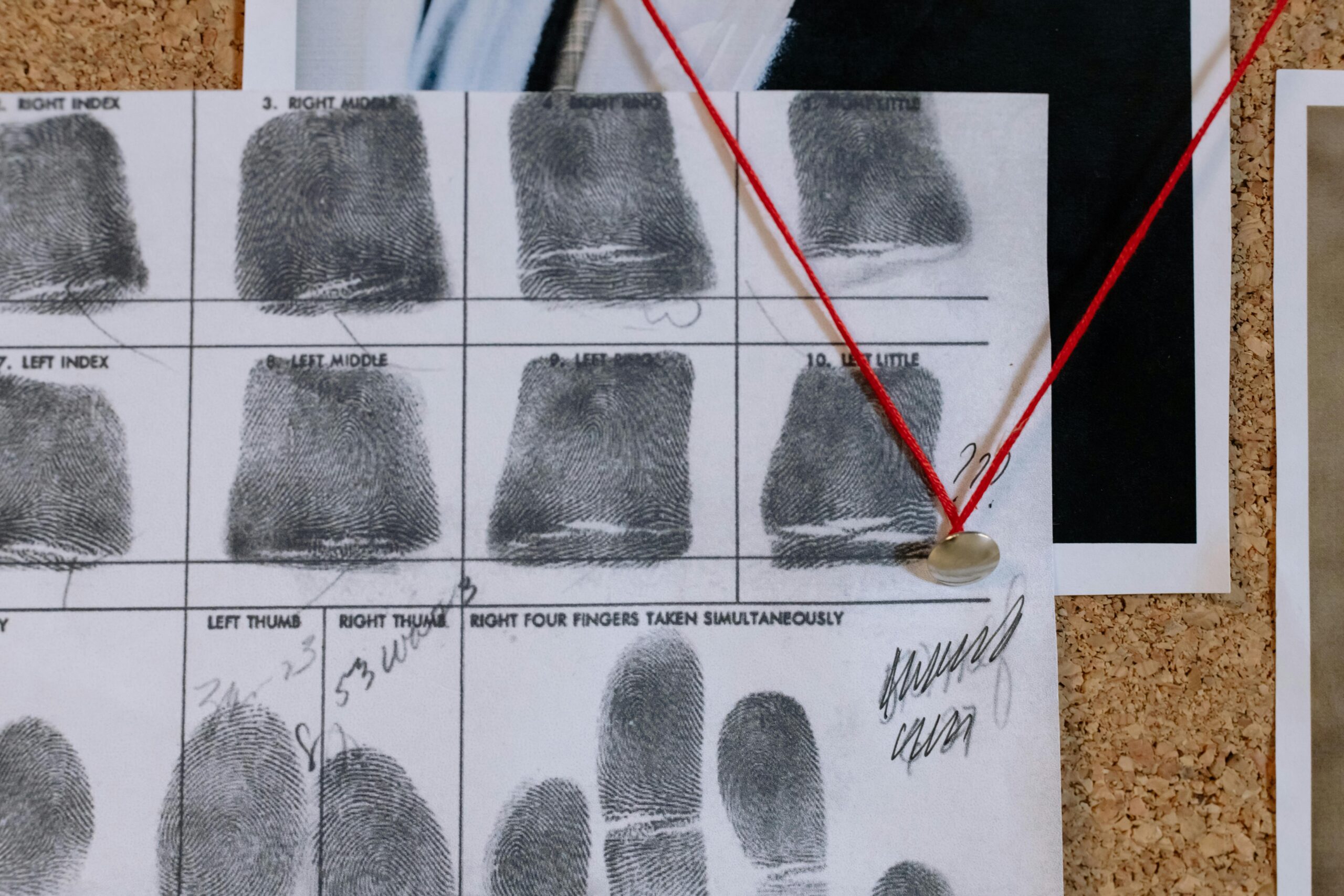
DNA identification has revolutionized how we find missing persons and identify disaster victims, bringing closure to thousands of families worldwide. 🧬

The Science Behind DNA Identification: A Beacon of Hope
When someone goes missing or a disaster strikes, time becomes the enemy of hope. Families wait anxiously for news, clinging to any possibility of finding their loved ones. DNA identification has emerged as one of the most powerful tools in forensic science, transforming the landscape of missing person investigations and disaster victim identification.
The human genome contains approximately 3 billion base pairs, making each person’s DNA profile virtually unique. This biological fingerprint remains stable throughout a person’s lifetime and can be extracted from various sources including blood, saliva, hair follicles, bone, and even degraded tissue samples. This resilience makes DNA an invaluable resource when traditional identification methods fail.
Modern DNA analysis techniques can generate results from samples that would have been considered unusable just a decade ago. Advanced laboratory procedures can extract viable DNA from skeletal remains that are decades or even centuries old, from burned tissue, and from samples exposed to harsh environmental conditions.
How DNA Matching Reunites Families Across Borders
The process of DNA identification in missing person cases follows a systematic approach that combines science with compassionate investigation. When someone is reported missing, family members can provide reference samples—typically a simple cheek swab—that establish the missing person’s genetic profile through familial relationships.
These reference samples are entered into specialized databases designed to cross-reference unidentified remains with missing person reports. When unidentified human remains are discovered, forensic experts extract DNA and compare it against these databases. A match can provide definitive identification where other methods have failed.
International cooperation has expanded dramatically in recent years. Organizations like Interpol maintain DNA databases that connect information across multiple countries, helping identify victims of human trafficking, international disasters, and migrants who die while crossing borders. This global network has proven essential in cases where missing persons may have traveled far from home.
The Emotional Journey of Waiting for Results
For families of missing persons, the waiting period for DNA results represents an agonizing emotional limbo. While modern techniques have significantly reduced processing times, comprehensive DNA analysis still typically requires several weeks to months, depending on sample quality and laboratory workload.
Support organizations have emerged to help families navigate this difficult period, providing counseling services and practical guidance. These groups understand that closure—even when the news is tragic—allows families to begin the grieving process and make necessary legal arrangements.
Mass Disaster Response: When Every Second Counts 🚨
Natural disasters, terrorist attacks, and mass casualty events present unique challenges for victim identification. Traditional methods like visual recognition, fingerprints, or dental records may be impossible when remains are fragmented, burned, or decomposed. DNA identification becomes the primary—and sometimes only—reliable method available.
The coordinated response to mass disasters has evolved into a sophisticated system involving multiple agencies. Disaster Victim Identification (DVI) teams deploy rapidly to collect and catalog remains, while simultaneously gathering ante-mortem data and family reference samples. This parallel processing accelerates the identification timeline during critical periods.
Recent technological advances have enabled rapid DNA analysis in field conditions. Portable DNA laboratories can be deployed to disaster sites, reducing the time required to transport samples to centralized facilities. This capability proved invaluable during responses to earthquakes, plane crashes, and building collapses where time-sensitive decisions about ongoing rescue operations depended on identification progress.
Building Comprehensive DNA Databases
The effectiveness of DNA identification systems depends heavily on the comprehensiveness of reference databases. Many countries have established national DNA databases specifically for missing persons and unidentified remains, separate from criminal justice databases.
These specialized databases face unique ethical and privacy considerations. They typically contain samples from:
- Family members of missing persons who voluntarily provide reference samples
- Unidentified human remains discovered by authorities
- Personal items belonging to missing individuals that may contain DNA
- Medical and dental records that include biological samples
Privacy protections ensure these databases serve only their intended humanitarian purpose. Strict protocols govern who can access the information and under what circumstances, with legal frameworks preventing misuse for immigration enforcement or criminal investigations without proper judicial oversight.
Breakthrough Technologies Reshaping Identification Capabilities
The field of forensic DNA analysis continues to advance at a remarkable pace. Next-generation sequencing technologies can now analyze highly degraded DNA samples that previous methods couldn’t process. These techniques examine more genetic markers simultaneously, increasing the probability of obtaining usable profiles from challenging samples.
Rapid DNA technology represents another significant breakthrough. These automated systems can generate DNA profiles in less than two hours, compared to the days or weeks required by traditional laboratory analysis. While not yet suitable for all applications, rapid DNA shows tremendous promise for screening large numbers of samples quickly during mass casualty events.
Mitochondrial DNA analysis has opened new possibilities for cases involving severely degraded samples. Unlike nuclear DNA, mitochondrial DNA exists in multiple copies per cell and passes unchanged through maternal lineages. This makes it particularly valuable for analyzing old or compromised samples, though it provides less specificity than nuclear DNA.
Phenotypic Prediction: Drawing Portraits from DNA
Emerging technologies can now predict physical characteristics from DNA samples, creating approximate physical descriptions of unknown individuals. These phenotypic predictions can indicate likely ancestry, eye color, hair color, and even facial structure with varying degrees of accuracy.
While not yet precise enough for definitive identification, these tools help narrow search parameters and generate leads in cold cases. Law enforcement agencies have used DNA phenotyping to create composite sketches when no other descriptive information exists, occasionally leading to breakthrough identifications in decades-old cases.
The Human Stories Behind the Statistics 💙
Behind every DNA match lies a deeply personal story of loss, hope, and eventual resolution. Families who have searched for missing loved ones for years describe the DNA confirmation as bittersweet—the end of uncertainty but often the confirmation of worst fears.
Consider the families of migrants who disappear while crossing dangerous borders. Organizations like the International Committee of the Red Cross and various humanitarian groups collect DNA samples from families and from unidentified remains found along migration routes. These efforts have identified hundreds of individuals who might otherwise have remained nameless, allowing families to finally lay their loved ones to rest with dignity.
Historical cases have also found resolution through modern DNA technology. Remains of soldiers missing from past conflicts continue to be identified and returned to families, sometimes decades after the end of hostilities. These identifications honor the sacrifice of service members while providing families with the closure they’ve sought for generations.
Children Reunited Against All Odds
DNA identification plays a crucial role in reuniting children separated from families during conflicts, natural disasters, or human trafficking situations. International child protection organizations maintain DNA databases that can match children with biological relatives even when documentation is lost or falsified.
These databases have proven particularly valuable in regions affected by long-term conflicts where children may have been displaced for years. The genetic link provides certainty even when memories have faded and physical appearances have changed dramatically.
Overcoming Challenges in Global Implementation 🌍
Despite its proven effectiveness, DNA identification faces implementation challenges worldwide. Resource limitations prevent many developing nations from establishing comprehensive DNA analysis capabilities. Laboratory equipment, trained personnel, and ongoing operational costs create significant barriers to entry.
International partnerships have emerged to address these disparities. Organizations provide training programs, equipment donations, and technical support to build capacity in underserved regions. Mobile DNA laboratories offer temporary surge capacity during mass casualty events in areas lacking permanent facilities.
Cultural and religious considerations also influence DNA collection and analysis protocols. Some communities have reservations about DNA testing based on privacy concerns or religious beliefs. Successful programs engage community leaders and religious authorities to address concerns and build trust in the identification process.
Legal Frameworks and International Cooperation
The cross-border nature of many missing person cases requires international legal frameworks that facilitate information sharing while protecting individual rights. Treaties and agreements establish protocols for submitting DNA profiles to international databases and repatriating remains once identified.
Standardization of DNA analysis methods ensures compatibility between laboratories in different countries. International organizations have developed common standards for DNA profile formats, quality assurance procedures, and chain of custody documentation.
The Future of DNA Identification Technology
Emerging technologies promise to further enhance DNA identification capabilities. Artificial intelligence and machine learning algorithms are being developed to analyze complex DNA mixtures and predict relationships in extended family networks. These tools could dramatically increase the number of successful matches from existing database samples.
Portable DNA sequencing devices continue to become smaller, faster, and more affordable. Future versions may enable field investigators to conduct preliminary DNA analysis at recovery sites, helping prioritize samples and guide ongoing search operations in real-time.
Long-range familial searching algorithms can identify potential relatives even when no close family members have provided reference samples. By analyzing more distant genetic relationships across larger databases, these systems may solve cases that current methods cannot.
Privacy Protections in the Digital Age 🔒
As DNA databases expand, robust privacy protections become increasingly critical. Comprehensive legal frameworks must balance the humanitarian benefits of DNA identification against legitimate concerns about genetic privacy and potential misuse of genetic information.
Best practices include strict access controls, regular audits, automatic deletion of profiles once cases are resolved, and criminal penalties for unauthorized database access. Transparency about database contents, usage statistics, and governance structures helps build public trust essential for voluntary participation.
The proliferation of direct-to-consumer genetic testing services has created new opportunities and challenges for missing person investigations. While these commercial databases have helped solve cold cases, they also raise questions about informed consent and the appropriate use of genetic information submitted for genealogy research.
Supporting Families Through the Identification Process
The technical success of DNA identification means little without compassionate support for affected families. Professional training programs now emphasize the importance of trauma-informed communication when discussing DNA testing and delivering results.
Family assistance centers provide comprehensive support services including DNA sample collection, information updates, counseling, and help with legal documentation. These centers recognize that identification represents just one step in a longer journey toward healing and recovery.
Follow-up support continues after identification, helping families navigate funeral arrangements, legal proceedings, and the complex emotions that arise when long-held uncertainty resolves. Peer support groups connect families who have experienced similar losses, providing understanding that only those who have walked the same path can offer.
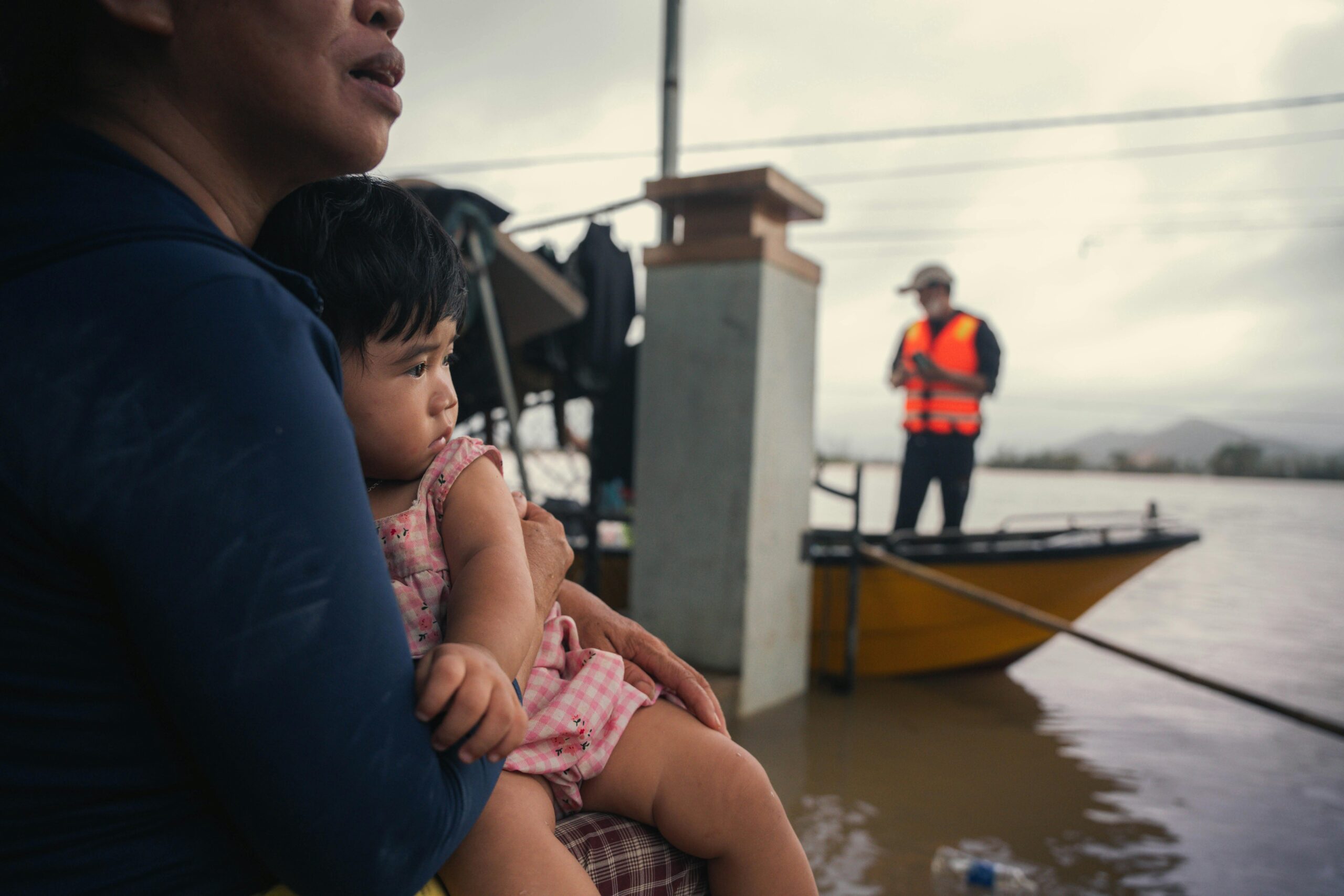
When DNA Brings Long-Awaited Answers Home
DNA identification technology represents far more than scientific achievement—it embodies humanity’s commitment to honoring every individual’s identity and providing closure to grieving families. Each successful identification restores dignity to the deceased and allows loved ones to complete their grief journey.
The continuing evolution of DNA technology promises to solve cases once considered impossible. As databases grow, techniques improve, and international cooperation strengthens, more families will receive the answers they desperately seek. This progress reflects our collective determination that no one should disappear without trace, and that every family deserves to know what happened to their missing loved one.
The power of DNA identification lies not just in its scientific sophistication, but in its capacity to unlock hope. For families enduring the agony of uncertainty, DNA analysis offers a path toward truth, closure, and healing. As we continue advancing these capabilities, we move closer to a future where every missing person can be found and every disaster victim can be returned home with their name restored.