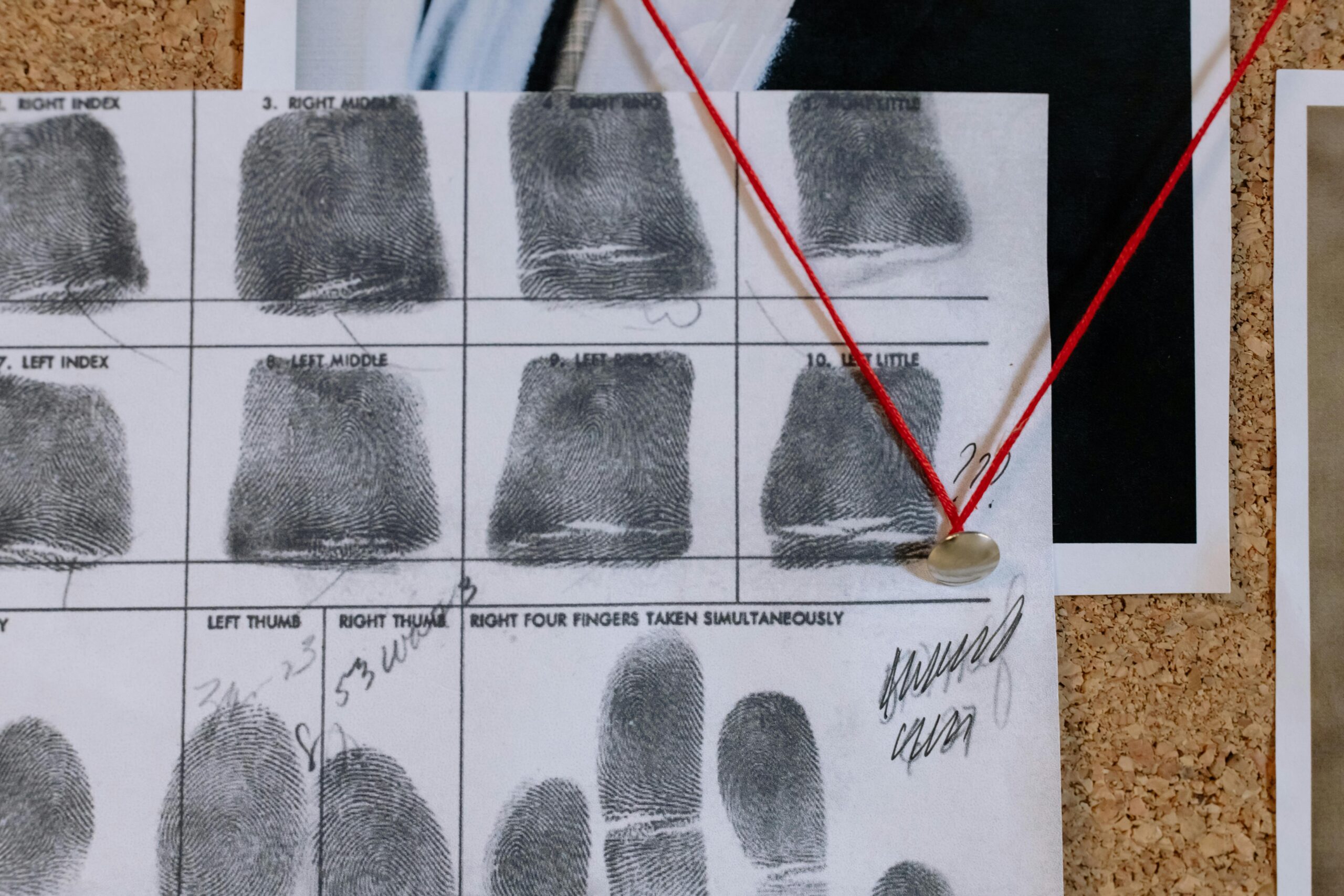
Rapid DNA technology is transforming forensic science, criminal justice, and healthcare by delivering genetic analysis results in under two hours, reshaping how we approach identification and evidence processing.

🧬 Understanding the DNA Revolution in Modern Science
The landscape of genetic analysis has undergone a remarkable transformation over the past two decades. What once required weeks of laboratory work, specialized facilities, and teams of trained technicians can now be accomplished in a fraction of the time using portable, automated systems. Rapid DNA technology represents one of the most significant advancements in forensic science since the introduction of DNA profiling itself in the 1980s.
Traditional DNA analysis involves multiple labor-intensive steps: sample collection, extraction, amplification, separation, and interpretation. Each phase requires careful handling, quality control measures, and specialized expertise. The entire process typically takes several days to weeks, creating backlogs in crime laboratories and delaying justice for victims and suspects alike.
Rapid DNA instruments integrate all these steps into a single, automated device. Users simply insert a biological sample—typically a buccal swab from the inside of the cheek—into the machine, which then performs extraction, amplification, separation, and analysis automatically. Within 90 minutes, the system generates a DNA profile compatible with existing databases like CODIS (Combined DNA Index System).
The Technology Behind the Speed ⚡
The acceleration achieved by rapid DNA systems stems from several technological innovations working in concert. Microfluidic chips replace traditional laboratory equipment, miniaturizing and automating processes that previously required manual intervention. These chips contain microscopic channels where chemical reactions occur, dramatically reducing reagent volumes and processing times.
Advanced thermal cycling enables faster polymerase chain reaction (PCR) amplification, the process that creates millions of copies of specific DNA sequences. Traditional thermal cyclers require gradual heating and cooling cycles, but rapid DNA systems employ specialized materials and designs that achieve temperature changes in seconds rather than minutes.
Integrated capillary electrophoresis separates DNA fragments by size, creating the distinctive pattern of peaks that forms a DNA profile. Rapid systems have optimized this separation process through innovative polymer chemistry and enhanced detection methods, maintaining accuracy while drastically reducing analysis time.
Key Components of Rapid DNA Systems
- Automated sample preparation modules that extract DNA from biological material without manual pipetting
- Microfluidic cartridges containing all necessary reagents for amplification and analysis
- Real-time thermal management systems enabling rapid temperature transitions
- Integrated optical detection for immediate profile generation
- Expert system software that interprets results and flags potential issues
- Secure data management ensuring chain of custody and legal admissibility
Transforming Criminal Justice Operations 👮
The impact of rapid DNA on law enforcement has been nothing short of revolutionary. Police booking stations can now generate DNA profiles from arrestees within hours, enabling immediate searches against unsolved crime databases. This capability has led to the apprehension of suspects who might otherwise have been released or bonded out before traditional DNA results became available.
Crime scene investigations benefit tremendously from portable rapid DNA units. Instead of collecting samples for laboratory analysis days or weeks later, investigators can process evidence on-site, potentially identifying suspects while investigations are fresh and witnesses are available. This immediacy can be crucial in cases where time is of the essence, such as kidnappings or serial crimes.
Mass disaster victim identification represents another critical application. Following catastrophes like building collapses, transportation accidents, or natural disasters, rapid DNA allows authorities to identify remains quickly, providing closure to families and streamlining the recovery process. Traditional methods could take months or even years to complete, but rapid DNA has compressed this timeline dramatically in recent deployments.
Border Security and Immigration Applications
Immigration authorities have begun exploring rapid DNA for family relationship verification at borders. When adults and children arrive together claiming familial relationships, rapid DNA can confirm biological connections, helping identify cases of child trafficking or false claims. This application raises important ethical considerations about consent, privacy, and the appropriate use of genetic information in immigration contexts.
Healthcare and Medical Applications 🏥
Beyond forensics, rapid DNA technology holds promise for medical diagnostics and personalized medicine. Infectious disease identification represents a particularly compelling use case. Pathogens can be genetically characterized within hours, enabling targeted treatment decisions rather than broad-spectrum approaches that may contribute to antimicrobial resistance.
Pharmacogenomic applications allow healthcare providers to tailor medication choices and dosages based on a patient’s genetic profile. Rapid DNA systems could enable point-of-care genetic testing, helping physicians make informed prescribing decisions during the same visit where treatment is initiated. This immediate feedback loop could prevent adverse drug reactions and improve therapeutic outcomes.
Organ transplantation matching benefits from rapid genetic analysis. The ability to quickly assess compatibility between donors and recipients can expand the viable time window for transplantation and improve matching accuracy, potentially saving lives that might be lost due to delayed testing results.
⚖️ Legal and Regulatory Landscapes
The introduction of rapid DNA into operational settings has required careful consideration of legal frameworks and quality standards. In the United States, the FBI has developed standards for Rapid DNA instruments used to generate profiles for upload to NDIS (National DNA Index System). Only systems that meet these rigorous requirements and operate with approved protocols can create profiles for national database searches.
Questions about admissibility in court have necessitated validation studies demonstrating that rapid DNA results meet the same accuracy and reliability standards as traditional laboratory analysis. Multiple peer-reviewed studies have confirmed concordance rates exceeding 99% between rapid and conventional methods when protocols are properly followed.
Privacy concerns loom large in discussions about expanding DNA collection. Civil liberties advocates worry about the creation of universal DNA databases and potential misuse of genetic information. Regulations governing sample retention, database access, and expungement of records for individuals not ultimately convicted remain subjects of ongoing legal and ethical debate.
International Regulatory Approaches
Different countries have adopted varying approaches to rapid DNA regulation. European nations generally maintain stricter privacy protections and more limited database structures compared to the United States. Some jurisdictions permit DNA collection only from convicted offenders, while others allow collection upon arrest for certain offenses. These regulatory differences reflect cultural values regarding privacy, security, and the role of biometric surveillance.
Technical Limitations and Challenges 🔬
Despite impressive capabilities, rapid DNA systems face several technical constraints. Sample quality requirements remain stringent—degraded, contaminated, or insufficient samples may fail to produce results or generate incomplete profiles. Traditional laboratories can sometimes recover profiles from challenging samples through specialized techniques not available in automated rapid systems.
Mixture interpretation presents ongoing challenges. When biological samples contain DNA from multiple contributors—common in sexual assault cases or items touched by multiple people—analysis becomes significantly more complex. While expert analysts in traditional laboratories can deconvolute many mixtures, rapid DNA systems currently have limited capacity for mixture interpretation, potentially generating inconclusive results.
| Aspect | Rapid DNA | Traditional Laboratory |
|---|---|---|
| Processing Time | 90-120 minutes | 24 hours to several weeks |
| Sample Types | Primarily buccal swabs | Blood, saliva, tissue, bone, hair |
| Mixture Analysis | Limited capability | Advanced interpretation possible |
| Degraded Sample Success | Lower success rate | Higher success rate with specialized methods |
| Operator Training | Minimal required | Extensive expertise needed |
| Cost per Analysis | Moderate to high | Variable depending on volume |
The Human Element: Training and Expertise 👨🔬
One of rapid DNA’s purported advantages is reduced reliance on specialized expertise. Systems are designed for operation by personnel with minimal training, potentially allowing police officers or border agents to generate profiles without extensive scientific backgrounds. However, this accessibility raises important questions about quality assurance and result interpretation.
Even highly automated systems require proper operation, maintenance, and oversight. Operators must understand when results are questionable, recognize potential contamination, and know when to seek expert consultation. Training programs must balance accessibility with competency, ensuring that non-specialists can effectively use the technology while recognizing its limitations.
Traditional DNA analysts undergo years of education and supervised casework before working independently. This expertise proves invaluable when confronting unusual results, troubleshooting problems, or providing courtroom testimony. The rapid DNA community continues developing training standards and certification programs to establish appropriate competency benchmarks for different operational contexts.
🌍 Expanding Horizons: Emerging Applications
The potential applications for rapid DNA extend far beyond current implementations. Wildlife conservation efforts could employ portable systems for anti-poaching enforcement, rapidly identifying protected species in suspected trafficking cases. Field researchers might use rapid DNA for biodiversity assessment and population monitoring in remote locations.
Archaeological and anthropological investigations could benefit from rapid genetic analysis of ancient remains, accelerating research timelines and enabling on-site decision-making about excavation priorities. The technology might help resolve questions about human migration patterns, historical identities, and evolutionary relationships without lengthy laboratory turnaround times.
Genealogical research represents a growing market for DNA analysis. While current direct-to-consumer services typically use SNP arrays rather than STR profiling employed by forensic systems, future convergence might enable rapid genetic genealogy applications. However, this raises complex questions about informed consent, data ownership, and the distinction between forensic and recreational DNA testing.
Military and Defense Applications
Armed forces have shown significant interest in rapid DNA for casualty identification, particularly in conflict zones where traditional laboratory infrastructure may be unavailable. Portable systems could provide rapid identification of fallen service members, facilitating timely notification of families and proper handling of remains according to military protocols.
Looking Forward: The Future of Rapid DNA 🔮
Technological evolution continues apace, with next-generation systems promising even faster processing, improved sensitivity, and expanded analytical capabilities. Researchers are developing methods to enhance mixture interpretation, accommodate degraded samples, and extract additional genetic information beyond standard identification markers.
Integration with other forensic technologies presents exciting possibilities. Combining rapid DNA with advanced imaging, chemical analysis, and biometric identification could create comprehensive, multi-modal forensic workstations. Artificial intelligence and machine learning algorithms might enhance result interpretation, flag quality issues, and suggest investigative leads based on genetic profiles.
Miniaturization trends suggest eventual development of truly handheld rapid DNA devices, perhaps approaching smartphone size. Such extreme portability would enable genetic analysis in virtually any setting, from remote wilderness areas to disaster sites lacking infrastructure. However, maintaining analytical rigor and quality standards becomes increasingly challenging as systems shrink.
Balancing Innovation with Responsibility 🤝
As rapid DNA capabilities expand, society must grapple with profound questions about appropriate use, oversight, and governance. The technology’s power to identify individuals quickly and definitively offers tremendous benefits for justice and public safety, but also creates potential for abuse if deployed without proper safeguards.
Transparent policies governing DNA collection, analysis, storage, and destruction are essential. Citizens deserve clear understanding of when their DNA might be collected, how long profiles remain in databases, and under what circumstances genetic information might be accessed. Oversight mechanisms must ensure compliance with established protocols and provide accountability when standards are violated.
Public education about DNA technology, its capabilities, and its limitations helps foster informed dialogue about policy choices. Misconceptions fueled by popular media often inflate expectations about genetic analysis or minimize privacy concerns. Accurate information empowers citizens to participate meaningfully in decisions about how this powerful technology is deployed in their communities.
Navigating Ethical Complexities in Genetic Analysis 🧭
The ethical dimensions of rapid DNA extend beyond privacy to encompass questions of equity, consent, and unintended consequences. Communities historically subject to over-policing worry about genetic surveillance disproportionately affecting already marginalized populations. Database expansion could exacerbate existing justice system disparities if implementation lacks appropriate safeguards and oversight.
Familial searching—using DNA databases to identify relatives of unknown profile contributors—raises particularly thorny ethical issues. While this technique has solved cold cases, it effectively places family members under genetic surveillance based on a relative’s arrest or conviction, not their own actions. Rapid DNA’s expanded collection capabilities could dramatically enlarge the pools of people indirectly subjected to such searches.
The irreversible nature of genetic information collection demands careful consideration. Unlike photographs or fingerprints, DNA reveals intimate details about ancestry, health predispositions, and biological relationships. Once collected and profiled, this information exists indefinitely, potentially being used for purposes far removed from the original collection rationale.

The Road Ahead for DNA Technology Innovation 🛣️
Rapid DNA represents just one chapter in the ongoing evolution of genetic analysis capabilities. As the technology matures, continued innovation will undoubtedly introduce new applications, refine existing processes, and challenge our frameworks for governance and ethics. The field stands at a critical juncture where technological possibility increasingly outpaces policy development and public understanding.
Success in this revolutionary era requires collaboration among scientists, policymakers, legal professionals, ethicists, and communities affected by DNA collection practices. Technology developers must prioritize not just speed and convenience, but also quality, security, and respect for fundamental rights. Regulatory bodies need adequate resources and expertise to provide meaningful oversight as systems become more sophisticated and widespread.
The promise of rapid DNA technology is immense—solving crimes that would otherwise remain mysteries, reuniting families separated by disasters, advancing medical care through genetic insights, and countless applications yet to be imagined. Realizing this promise while safeguarding privacy, ensuring equity, and maintaining public trust represents one of the defining challenges for forensic science in the 21st century. The decisions made today about how rapid DNA is deployed, governed, and constrained will shape justice systems and society for generations to come.