Time-lapse data has revolutionized how we observe, analyze, and understand changes in our world, from urban development to environmental shifts and biological processes.

📊 The Foundation of Time-lapse Data Analysis
Time-lapse data represents one of the most powerful tools in modern scientific research and practical applications. By capturing sequential observations over extended periods, researchers and professionals can visualize patterns and transformations that would otherwise remain invisible to the human eye. This methodology compresses time, allowing us to witness slow-moving processes as if they were happening in fast-forward, revealing insights that static observations simply cannot provide.
The concept of time-lapse observation dates back to the early days of photography, but its application to data science has expanded exponentially with technological advancement. Today, time-lapse data encompasses everything from satellite imagery tracking glacial melting to microscopic cellular changes, construction site monitoring, and even social media trend analysis. The common thread connecting these diverse applications is the ability to detect structural changes that occur gradually over time.
🔍 Understanding Structural Changes Through Sequential Observation
Structural changes refer to fundamental alterations in the composition, arrangement, or characteristics of a system. Unlike temporary fluctuations or noise in data, structural changes represent meaningful shifts that often have lasting implications. Time-lapse data allows us to identify these changes by establishing baseline patterns and then detecting deviations that persist or evolve over time.
The power of time-lapse data lies in its ability to provide context. A single data point tells us very little, but a series of observations creates a narrative. This narrative helps distinguish between random variation and genuine transformation. For instance, a single satellite image of a forest might show some clearings, but a time-lapse sequence reveals whether those clearings represent natural cycles, controlled logging, or alarming deforestation trends.
Key Components of Effective Time-lapse Data Collection
Successful time-lapse data analysis depends on several critical factors. First, consistency in measurement methodology ensures comparability across time points. Whether using cameras, sensors, or survey instruments, maintaining standardized protocols prevents artificial variations that could mask or mimic real changes.
Second, appropriate temporal resolution determines what changes can be detected. Too infrequent sampling might miss important transitions, while unnecessarily frequent measurements can generate overwhelming data volumes without additional insight. The ideal sampling frequency depends on the expected rate of change in the system being studied.
Third, sufficient duration of observation is essential. Some structural changes only become apparent over extended timeframes. Urban development patterns, climate trends, and geological processes all require patience and commitment to long-term data collection efforts.
🌍 Real-World Applications Transforming Industries
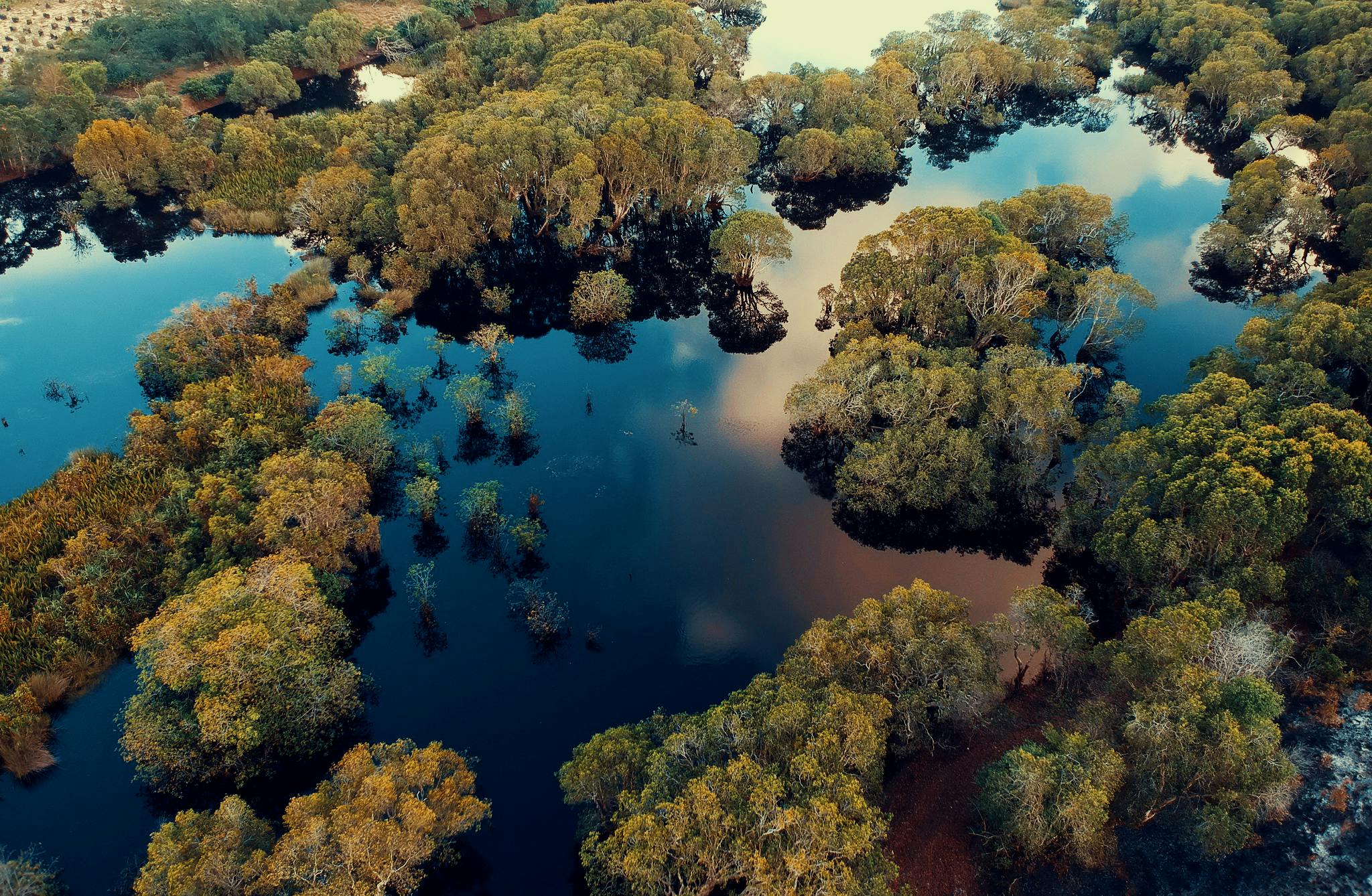
Time-lapse data has found applications across virtually every sector of human activity. In environmental science, researchers use satellite time-lapse imagery to monitor deforestation, track wildlife migration patterns, and assess the impacts of climate change on ecosystems. These observations inform conservation strategies and policy decisions that affect millions of acres of habitat and countless species.
The construction industry has embraced time-lapse photography and data logging to monitor project progress, verify compliance with schedules, and document building processes. Construction managers can review months of work in minutes, identifying bottlenecks, safety issues, and opportunities for process improvement. This application has become so valuable that specialized cameras and software platforms now cater specifically to construction site monitoring.
Medical and Biological Research Breakthroughs
In medical research, time-lapse microscopy has revealed previously unknown details about cellular behavior, disease progression, and treatment effectiveness. Scientists can observe individual cells dividing, moving, and interacting over hours or days, compressed into viewable sequences lasting minutes. These observations have led to breakthroughs in understanding cancer metastasis, wound healing, and embryonic development.
Time-lapse data also plays a crucial role in agricultural optimization. Farmers and agricultural scientists use time-lapse cameras and sensor networks to monitor crop growth, detect pest infestations early, and assess the effectiveness of irrigation strategies. This data-driven approach to farming maximizes yields while minimizing resource waste and environmental impact.
🛠️ Technologies Powering Time-lapse Data Collection
The technological landscape for time-lapse data collection has evolved dramatically. High-resolution cameras with programmable intervals can now operate autonomously for months on solar power or battery systems. These devices range from affordable consumer options to sophisticated scientific instruments costing thousands of dollars.
Sensor networks represent another dimension of time-lapse data collection. Internet of Things (IoT) devices continuously measure temperature, humidity, air quality, soil moisture, and countless other variables. These measurements create multidimensional time-lapse datasets that reveal how complex systems change across multiple parameters simultaneously.
Satellite and drone technology has democratized access to aerial time-lapse data. What once required expensive aerial photography campaigns can now be achieved through commercial satellite services or consumer drones. This accessibility has opened new possibilities for environmental monitoring, urban planning, and agricultural management at scales from individual properties to entire regions.
Software Solutions for Time-lapse Analysis
Collecting time-lapse data is only half the challenge; analyzing it effectively requires sophisticated software tools. Modern time-lapse analysis platforms incorporate artificial intelligence and machine learning algorithms that can automatically detect changes, classify events, and generate insights from massive datasets.
Computer vision algorithms excel at identifying structural changes in image-based time-lapse data. These systems can track object movements, detect new constructions, measure vegetation changes, and even recognize patterns invisible to human observers. The automation of analysis tasks makes it feasible to process datasets that would overwhelm manual review efforts.
For specialized applications like construction monitoring or security surveillance, dedicated time-lapse apps and platforms offer tailored features. These solutions often include cloud storage, automatic compilation of daily summaries, and tools for annotating and sharing specific sequences with stakeholders.
📈 Analyzing Patterns and Extracting Meaningful Insights
Raw time-lapse data becomes valuable only when properly analyzed to extract actionable insights. The analysis process typically begins with data preprocessing to correct for lighting variations, camera movements, or sensor calibrations that might introduce artifacts. Standardizing the data creates a consistent foundation for comparison across time points.
Pattern recognition forms the core of time-lapse analysis. Analysts look for trends, cycles, anomalies, and breakpoints that indicate structural changes. Statistical methods help distinguish signal from noise, determining whether observed variations represent meaningful changes or random fluctuations within normal system behavior.
Visualization Techniques That Reveal Hidden Patterns
Effective visualization transforms complex time-lapse datasets into comprehensible narratives. Simple playback of time-lapse video sequences provides intuitive understanding, but additional visualization techniques can highlight specific aspects of change.
Difference maps show pixel-by-pixel or point-by-point changes between time periods, making subtle transformations visually obvious. Heat maps can represent the intensity or frequency of changes across spatial areas. Time-series graphs plot measured variables against time, revealing trends and correlations that inform understanding of causal relationships.
Interactive visualizations allow users to explore time-lapse data dynamically, selecting specific time ranges, toggling between different data layers, and zooming into regions of interest. These tools empower stakeholders without technical expertise to engage with data and draw their own conclusions.
🎯 Challenges and Limitations in Time-lapse Data Projects
Despite its power, time-lapse data collection and analysis face several challenges. Storage requirements can become substantial, especially for high-resolution imagery or sensor networks with frequent sampling intervals. A single construction project documented with 4K time-lapse photography over two years might generate terabytes of data requiring careful management.
Environmental factors complicate many time-lapse projects. Weather conditions affect outdoor cameras, seasonal lighting variations alter image characteristics, and equipment failures can create gaps in datasets. Robust project design anticipates these issues through redundant systems, weather-resistant equipment, and protocols for handling missing data.
Privacy and security concerns arise in time-lapse projects that capture public spaces or private properties. Responsible implementation requires clear policies about data access, retention periods, and measures to protect sensitive information. Some jurisdictions have specific regulations governing surveillance and data collection that must be navigated carefully.
Technical Complexities in Data Integration
Many valuable insights emerge from combining time-lapse data from multiple sources, but integration presents technical challenges. Different sensors, cameras, and platforms use varying formats, resolutions, and timestamps. Harmonizing these disparate data streams requires careful preprocessing and often custom software solutions.
Temporal alignment becomes critical when correlating events across different datasets. A time-lapse camera might capture an event at noon, while weather sensors record conditions at hourly intervals. Determining appropriate methods for interpolation and synchronization affects the validity of subsequent analysis.
🚀 Future Directions and Emerging Opportunities
The future of time-lapse data promises even greater capabilities and applications. Advances in artificial intelligence will enable more sophisticated automated analysis, detecting subtle patterns and predicting future changes based on historical trends. Real-time processing will allow immediate responses to detected changes rather than retrospective analysis.
Integration with augmented reality systems could overlay time-lapse data onto current views, showing how landscapes have changed or projecting future scenarios. Urban planners might visualize proposed developments in the context of historical growth patterns. Environmental scientists could present climate change impacts by showing past transformations and modeling future trajectories.
The proliferation of connected devices will create opportunities for citizen science projects where distributed networks of volunteers contribute to massive time-lapse datasets. Global environmental monitoring, wildlife tracking, and urban change documentation could benefit from crowdsourced observations coordinated through dedicated platforms.
💡 Best Practices for Implementing Time-lapse Projects
Success in time-lapse data projects requires careful planning from inception. Clearly defining objectives helps determine appropriate collection methods, sampling frequencies, and analysis approaches. Understanding what structural changes matter most focuses efforts on capturing relevant data rather than generating unnecessary information.
Pilot testing before full deployment identifies technical issues and validates that the chosen methodology will capture the intended changes. A short-term trial run reveals problems with equipment placement, lighting conditions, or data quality that can be corrected before committing to long-term observation.
Documentation throughout the project lifecycle ensures that future analysts understand the context and methodology behind the data. Recording equipment specifications, calibration procedures, environmental conditions, and known issues creates an audit trail that supports valid interpretation of results.
Building Collaborative Frameworks
Time-lapse projects often benefit from interdisciplinary collaboration. Environmental monitoring might combine ecologists, data scientists, and remote sensing specialists. Construction documentation involves project managers, engineers, and photographers. Creating frameworks that facilitate communication and data sharing among diverse stakeholders maximizes the value extracted from time-lapse observations.
Establishing data governance policies early prevents conflicts about ownership, access, and usage rights. Clear agreements about how data will be stored, shared, and eventually archived or destroyed protect all parties and ensure ethical handling of information.

🌟 Transforming Observations Into Action
The ultimate value of time-lapse data lies not in the observations themselves but in the actions they enable. Detecting structural changes provides opportunities for intervention, adaptation, or celebration depending on whether changes are negative, neutral, or positive.
Environmental monitoring that reveals habitat degradation can trigger conservation initiatives before damage becomes irreversible. Construction time-lapse data that shows schedule delays enables managers to allocate additional resources or adjust plans. Medical research observations that identify effective treatment protocols accelerate the development of life-saving therapies.
Time-lapse data democratizes understanding by making complex processes visible and comprehensible. Stakeholders without technical expertise can watch time-lapse videos and grasp the magnitude and nature of changes. This accessibility facilitates informed decision-making and builds consensus around necessary responses to observed transformations.
As we continue to refine our capabilities for collecting, analyzing, and interpreting time-lapse data, we unlock increasingly powerful insights into the dynamic nature of our world. From microscopic cellular processes to planetary-scale environmental changes, time-lapse observation reveals the fundamental reality that everything exists in a state of transformation. By documenting and understanding these changes, we position ourselves to respond intelligently, sustainably, and effectively to the challenges and opportunities that temporal evolution presents.
The power of time-lapse data ultimately resides in its ability to make the invisible visible, to compress time in ways that reveal truth, and to transform passive observation into active understanding. Whether applied to scientific research, commercial projects, or personal documentation, time-lapse methodologies offer unparalleled perspectives on how structures, systems, and environments evolve through time.