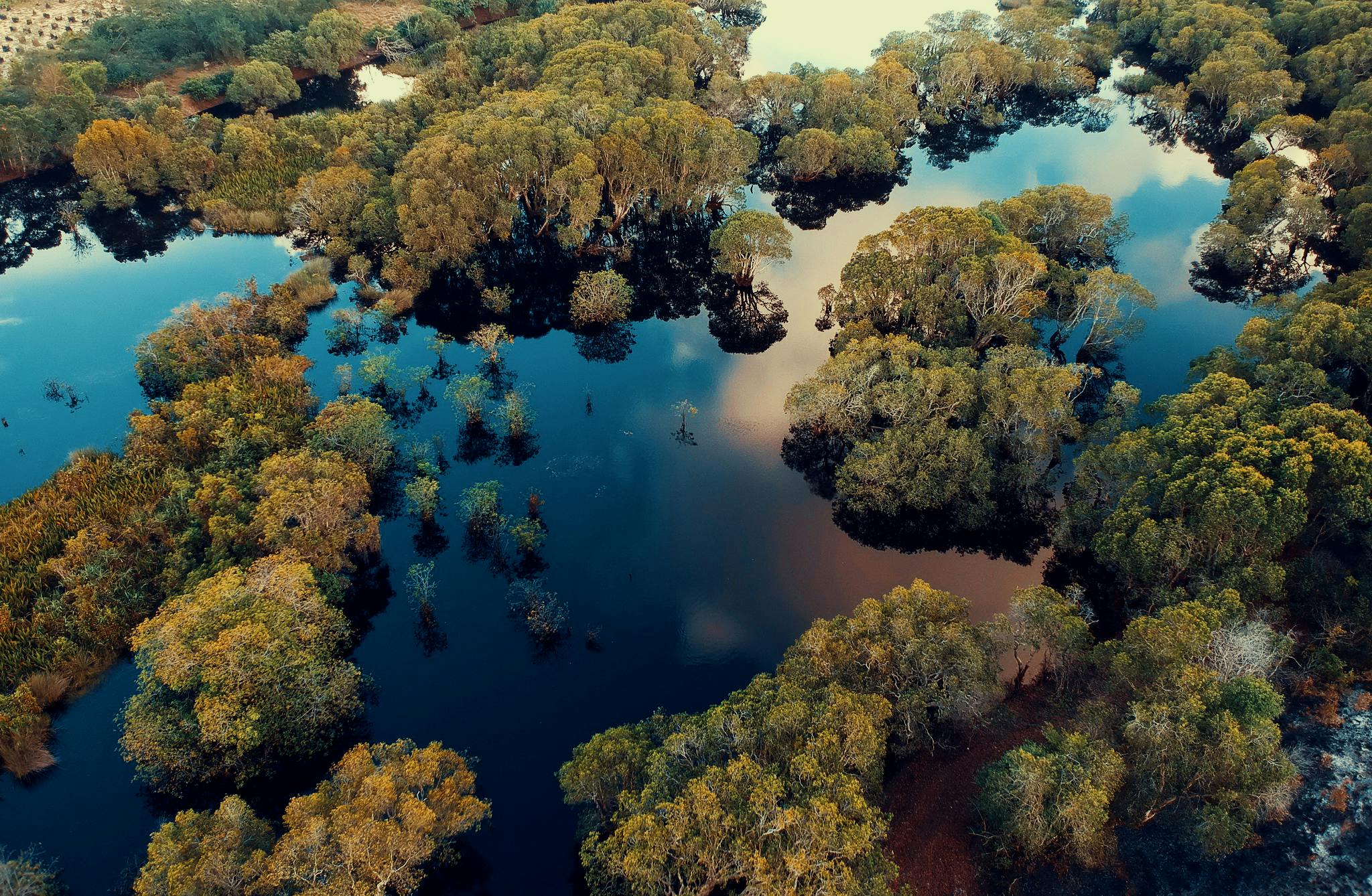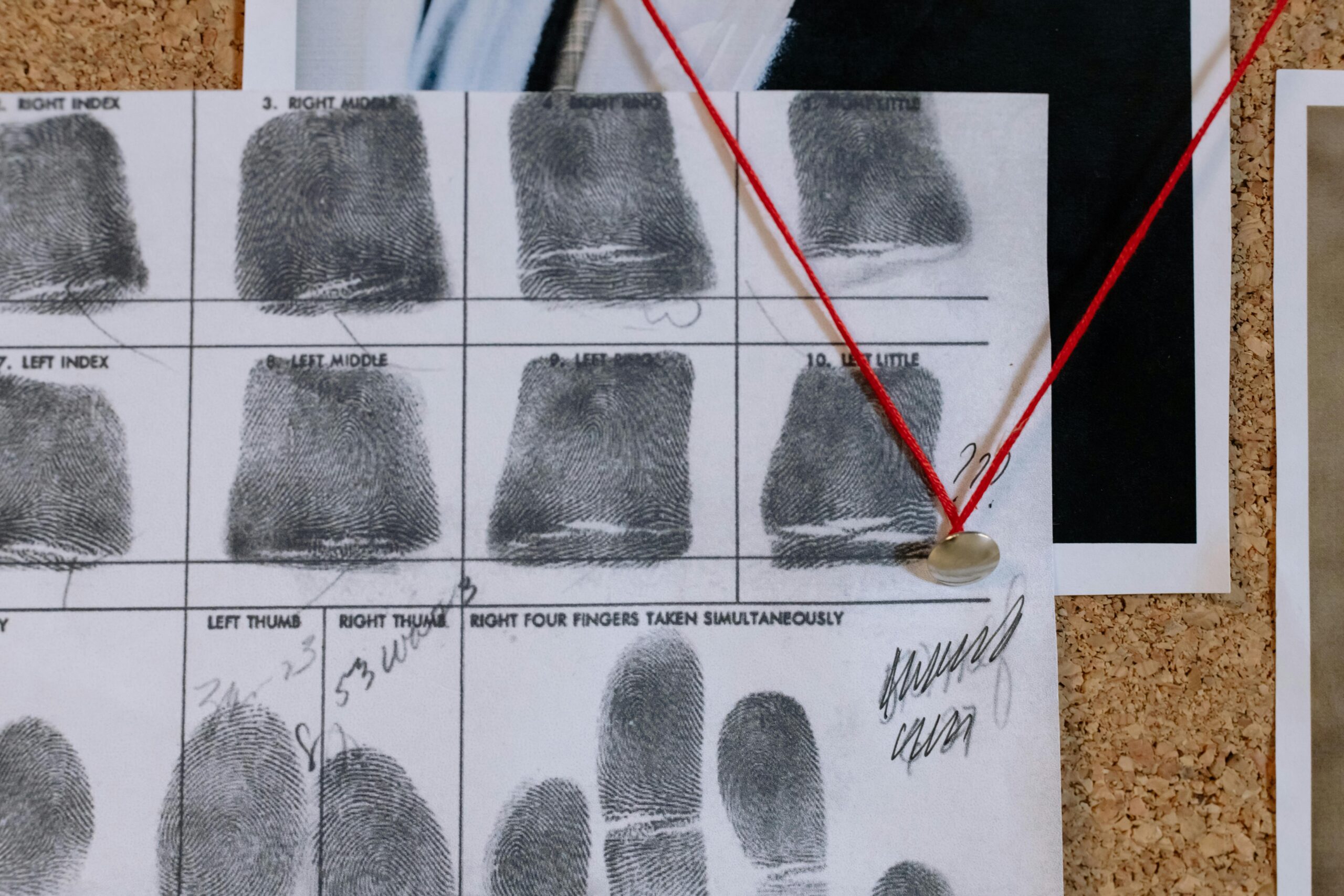
Forensic botany is emerging as a powerful tool in criminal investigations, particularly in cases involving wildfires and arson, where plant evidence can reveal crucial details about fire origins and perpetrators.

🔍 What is Forensic Botany and Why Does it Matter?
Forensic botany represents the intersection of plant science and criminal justice, applying botanical knowledge to solve crimes and support legal proceedings. This specialized field examines plant materials—from pollen grains to wood fragments—to establish connections between suspects, victims, and crime scenes. In the context of wildfire and arson investigations, forensic botany has proven invaluable in determining fire origins, timing, and even identifying individuals responsible for intentional blazes.
The discipline has gained significant traction in recent decades as investigators recognize that plants can serve as silent witnesses to criminal activity. Unlike human testimony, botanical evidence doesn’t lie, forget, or change its story. Every seed, leaf, and pollen grain carries information that can piece together the puzzle of what truly happened when flames consumed a landscape.
Traditional fire investigation methods focus on burn patterns, accelerant detection, and witness statements. However, forensic botany adds another dimension by analyzing the botanical materials present at fire scenes. This approach has revolutionized how investigators approach wildfire and arson cases, providing scientific evidence that can withstand rigorous courtroom scrutiny.
🌿 The Science Behind Plant Evidence in Fire Investigations
Plants respond to fire in predictable ways, and understanding these responses forms the foundation of forensic botanical analysis. When exposed to heat and flames, vegetation undergoes specific physical and chemical changes that investigators can measure and interpret. Different plant species exhibit varying levels of fire resistance, and their remains tell distinct stories about fire intensity, duration, and progression.
The cellular structure of plants preserves evidence even after severe burning. Charred wood retains patterns that indicate whether the fire burned hot and fast or slow and cool. Seeds may survive in soil layers, providing information about what was growing at a location before the fire. Even ash contains microscopic plant particles that can be identified through specialized laboratory techniques.
Temperature indicators within plant tissues help investigators reconstruct fire behavior. Certain chemical compounds in wood break down at specific temperatures, creating a natural thermometer that reveals how hot the fire burned at various locations. This information proves critical in distinguishing between natural wildfires and deliberately set arsons, where accelerants typically produce higher burn temperatures.
Pollen Analysis: Nature’s Microscopic Fingerprint 🔬
Pollen grains represent one of the most powerful tools in forensic botany. These microscopic structures are incredibly durable, often surviving conditions that destroy other evidence. Each plant species produces distinctively shaped pollen, creating a unique signature that botanists can identify under microscopic examination.
In arson investigations, pollen found on a suspect’s clothing, shoes, or vehicle can place them at a specific location during a particular season. Since different plants release pollen at different times of year, this evidence can also help establish timelines. If pollen from spring-blooming plants appears on evidence collected from a summer fire scene, it suggests the suspect visited that location months earlier, potentially during reconnaissance for the arson.
Investigators collect pollen samples from multiple locations at fire scenes, creating a botanical profile of the area. Comparing these samples with pollen found on suspects or their possessions can provide compelling evidence of their presence. This technique has proven especially valuable in cases where suspects deny ever being near the fire’s origin point.
🔥 Determining Fire Origin Through Botanical Evidence
Establishing where a fire started is crucial in distinguishing between natural wildfires and arson. Forensic botanists examine vegetation patterns to identify the point of origin. Plants closest to where the fire began typically show the most severe damage, with burning intensity decreasing as distance increases from the ignition point.
Root systems provide particularly valuable evidence. Since roots remain protected underground, they often survive fires that destroy above-ground vegetation. By excavating and examining root patterns, investigators can determine whether multiple ignition points existed, a strong indicator of arson. Natural wildfires typically originate from a single point, while intentionally set fires often show evidence of multiple starting locations.
The direction of plant stem bending offers clues about fire progression and wind patterns during the blaze. Heat and flames cause living plants to bend away from the fire’s source. By mapping these directional indicators across a fire scene, investigators can trace the fire’s path backward to its origin. This technique proves especially useful in large wildfire investigations where determining the starting point might otherwise be impossible.
Seasonal Growth Patterns and Fire Timing ⏰
Plants grow in predictable seasonal cycles, and these patterns help investigators determine when a fire occurred. Annual rings in trees, leaf development stages, and seed maturation levels all serve as natural calendars. If a fire scene shows evidence of recently germinated seedlings, investigators know the fire occurred during that species’ germination period.
This temporal information becomes critical in arson cases where suspects provide alibis claiming they were elsewhere when the fire started. If botanical evidence indicates the fire began during a specific week or month, investigators can cross-reference this timeline with suspect movements, phone records, and other evidence to verify or refute alibis.
🌲 Wood Analysis and Accelerant Detection
Wood fragments found at fire scenes undergo detailed analysis to identify species, determine burning patterns, and detect the presence of accelerants. Different wood species burn at different rates and temperatures, producing characteristic char patterns. Forensic botanists examine these patterns to distinguish between natural burning and fires enhanced by chemical accelerants.
When accelerants like gasoline or kerosene are used to start or spread fires, they leave telltale signs in wood structure. The chemicals penetrate into wood fibers, creating burning patterns that differ from natural fires. Laboratory analysis using gas chromatography-mass spectrometry can detect minute traces of accelerants absorbed into wood, providing definitive evidence of arson even when other signs have been destroyed.
The arrangement of burned wood at a scene also provides valuable information. Arsonists often pile wood or vegetation to create intense fires that spread quickly. These artificial arrangements look different from the random distribution of fuel in natural settings. Forensic botanists work with fire investigators to document these patterns and explain their significance.
🎯 Case Studies: Forensic Botany in Action
Several high-profile cases demonstrate the power of forensic botany in wildfire and arson investigations. In one notable California case, investigators used pollen evidence to connect a suspect to multiple arson scenes. Pollen from a rare plant species found only in specific mountain areas appeared on the suspect’s hiking boots, matching samples from three different fire origin points.
Another investigation in Australia utilized tree ring analysis to prove that a suspicious fire occurred during a different season than the suspect claimed. The defendant argued that the fire started naturally from a lightning strike during summer storms. However, examination of partially burned trees showed growth patterns consistent with a fire occurring in autumn, when lightning strikes are rare in that region.
In the Pacific Northwest, forensic botanists helped solve an arson case by identifying wood shavings found in a suspect’s truck bed. The shavings matched the exact species of trees at the fire’s origin point, and further analysis revealed traces of gasoline absorbed into the wood fibers. This evidence proved the suspect had transported wood soaked in accelerant to the fire scene, establishing premeditation.
🧪 Laboratory Techniques and Modern Technology
Modern forensic botany laboratories employ sophisticated technology to analyze plant evidence. Scanning electron microscopy allows researchers to examine pollen grains and plant cells at magnifications exceeding 100,000 times. This level of detail enables identification of species that might otherwise be impossible to distinguish.
DNA analysis has revolutionized plant identification in forensic contexts. Even when plant material is severely burned or degraded, DNA fragments often remain intact. By extracting and sequencing these genetic markers, scientists can identify plant species with absolute certainty, eliminating guesswork from the investigative process.
Isotope analysis provides another powerful tool. Different geographical regions have distinct isotopic signatures in soil and water, which plants absorb during growth. By analyzing isotope ratios in plant materials, forensic botanists can determine where plants grew, helping investigators trace the origin of wood or other plant materials found at crime scenes.
Digital Mapping and Geographic Information Systems 📍
Geographic Information Systems (GIS) technology has transformed how forensic botanists document and analyze fire scenes. Investigators create detailed digital maps showing vegetation distribution, burn intensity patterns, and evidence locations. These maps integrate botanical data with other investigative information, providing a comprehensive view of the fire scene.
Drone technology enables rapid documentation of large fire areas, capturing high-resolution images that reveal vegetation patterns invisible from ground level. Thermal imaging cameras attached to drones can detect residual heat patterns weeks after a fire, helping identify ignition points. When combined with botanical analysis, these technological tools provide unprecedented investigative capabilities.
⚖️ Legal Considerations and Courtroom Testimony
For forensic botanical evidence to be admissible in court, it must meet strict scientific standards. Expert witnesses must demonstrate that their methods are scientifically sound, widely accepted in the botanical community, and properly applied to the case at hand. Forensic botanists undergo rigorous questioning about their qualifications, methodology, and conclusions.
Presenting botanical evidence to juries requires translating complex scientific concepts into understandable language. Effective expert witnesses use visual aids, models, and clear explanations to help jurors grasp how plant evidence connects suspects to crimes. The ability to communicate scientific findings in accessible terms often determines whether botanical evidence successfully supports conviction.
Chain of custody procedures are critical for botanical evidence. From initial collection at fire scenes through laboratory analysis and courtroom presentation, every person handling evidence must be documented. Contamination concerns are particularly relevant for pollen samples, which can easily transfer between locations. Proper collection, storage, and handling protocols ensure that evidence maintains its integrity and admissibility.
🌍 Challenges and Limitations in Forensic Botany
Despite its power, forensic botany faces several challenges. Plant evidence can be difficult to collect and preserve, especially in dynamic fire environments where weather, wildlife, and emergency response activities may disturb scenes. Time-sensitive evidence like pollen can be easily lost or contaminated if not collected immediately.
Interpretation of botanical evidence requires extensive specialized knowledge. Few investigators have sufficient training in both fire science and botany to recognize and properly collect plant evidence. This knowledge gap means potentially valuable evidence may be overlooked at scenes. Increasing awareness and training among first responders represents an ongoing challenge for the field.
Regional variation in plant species creates another complication. Forensic botanists must maintain extensive knowledge of local flora, understanding which species grow where and when. This requirement limits the portability of expertise, as botanists familiar with vegetation in one region may lack detailed knowledge of plants elsewhere.
🎓 Training the Next Generation of Forensic Botanists
Educational programs combining botany, forensic science, and fire investigation are emerging at universities worldwide. These interdisciplinary programs prepare students to work at the intersection of plant science and criminal justice. Coursework covers plant identification, microscopy techniques, evidence collection, and legal testimony skills.
Professional organizations offer specialized certifications in forensic botany, establishing standards for practice and ethical conduct. These certifications help ensure that practitioners possess adequate knowledge and skills to provide reliable expert testimony. Continuing education requirements keep certified forensic botanists current with advancing technology and methodology.
Collaboration between academic institutions and law enforcement agencies creates opportunities for research and practical application. Student internships with fire investigation units provide hands-on experience while bringing fresh perspectives to ongoing cases. These partnerships advance both education and investigative capabilities.
🔮 The Future of Forensic Botany in Fire Investigations
Emerging technologies promise to expand forensic botany’s capabilities. Artificial intelligence and machine learning algorithms are being developed to automatically identify plant species from photographs and microscopic images. These tools could dramatically reduce the time required for analysis while maintaining accuracy.
Portable DNA sequencing devices may soon allow field identification of plant species at fire scenes. Rather than collecting samples for laboratory analysis, investigators could obtain results within hours using handheld equipment. This rapid identification would enable real-time investigative decisions and more efficient resource allocation.
Climate change is altering fire behavior and vegetation patterns worldwide, creating new challenges and opportunities for forensic botanists. Understanding how shifting plant communities and changing fire regimes affect botanical evidence will be crucial for future investigations. Research into these evolving relationships will shape the field’s development in coming decades.
Integration with other forensic disciplines continues to strengthen. Combining botanical evidence with soil analysis, entomology, and traditional fire investigation techniques creates comprehensive investigative approaches. This multidisciplinary collaboration represents the future direction of complex fire and arson investigations.
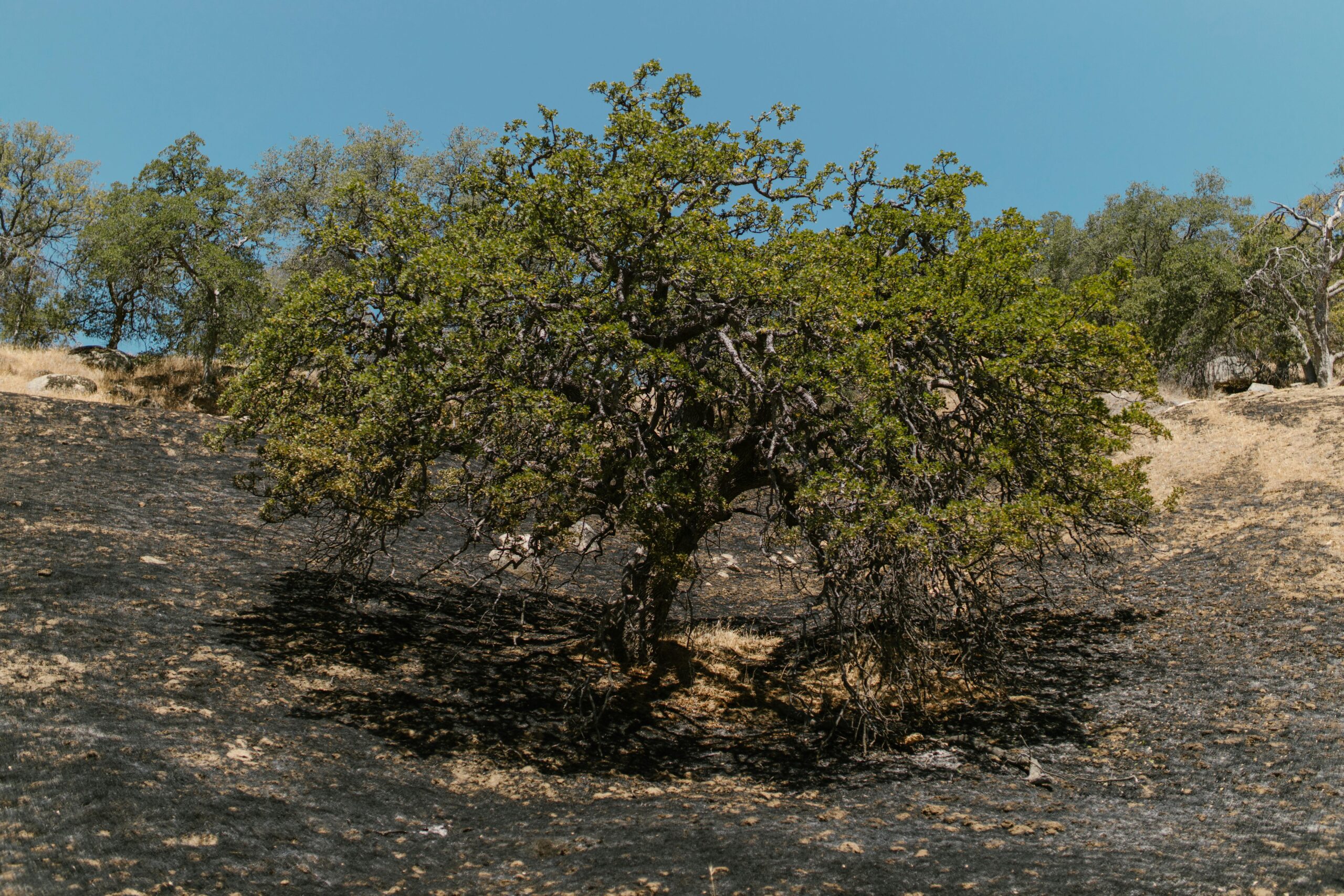
🌟 Empowering Justice Through Plant Science
Forensic botany has evolved from a niche specialization to an essential component of modern fire investigations. Its ability to provide objective, scientific evidence linking suspects to crimes makes it invaluable for prosecutors and defense attorneys alike. As awareness grows and technology advances, botanical evidence will play an increasingly prominent role in solving wildfire and arson cases.
The silent testimony of plants helps ensure that justice is served, whether by identifying arsonists or exonerating the wrongly accused. Every seed, every pollen grain, every charred branch holds potential evidence waiting to be discovered by trained eyes. As forensic botany continues developing, its contributions to public safety and criminal justice will only increase, proving that sometimes the most powerful witnesses are those that never speak a word.