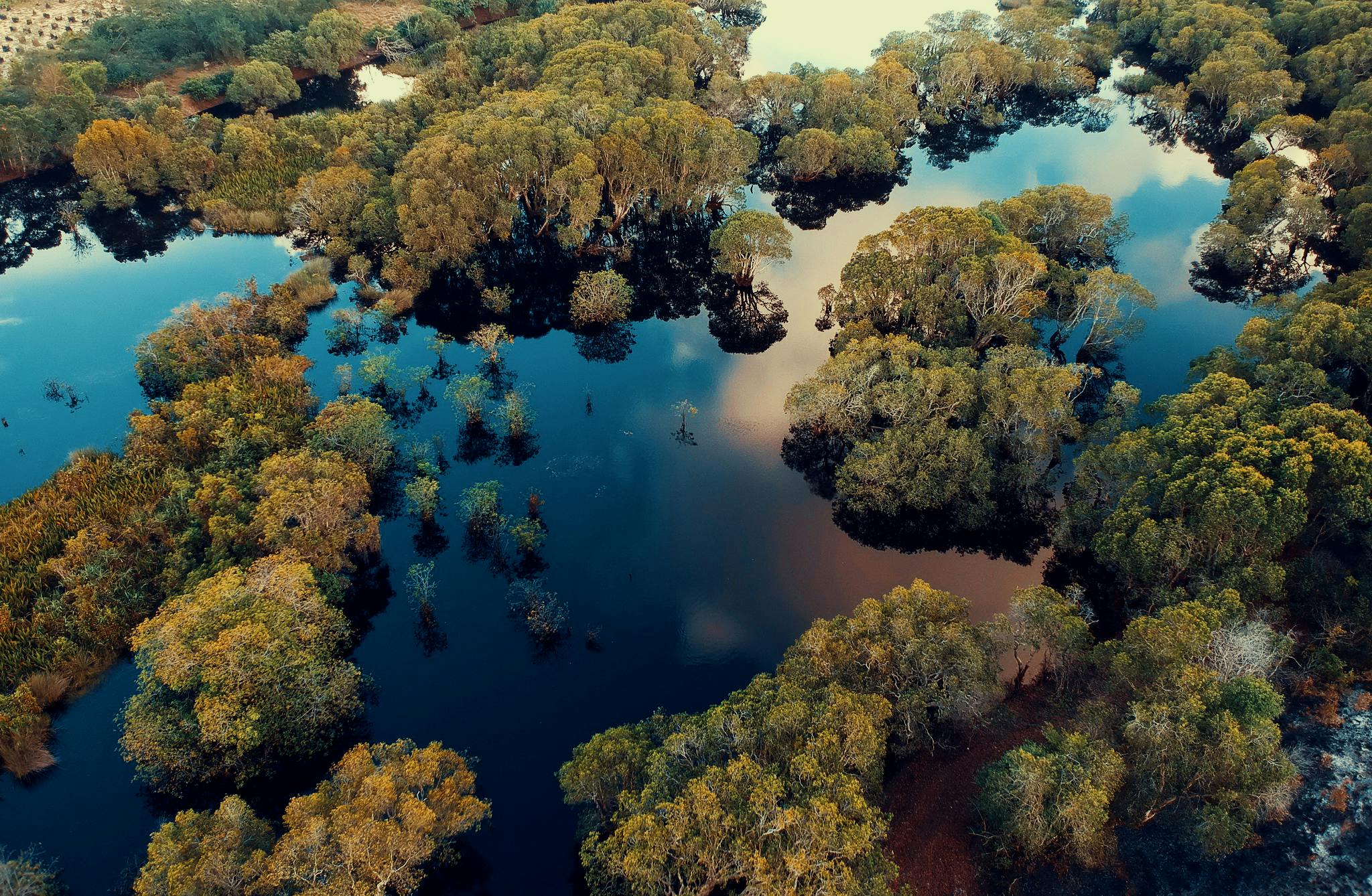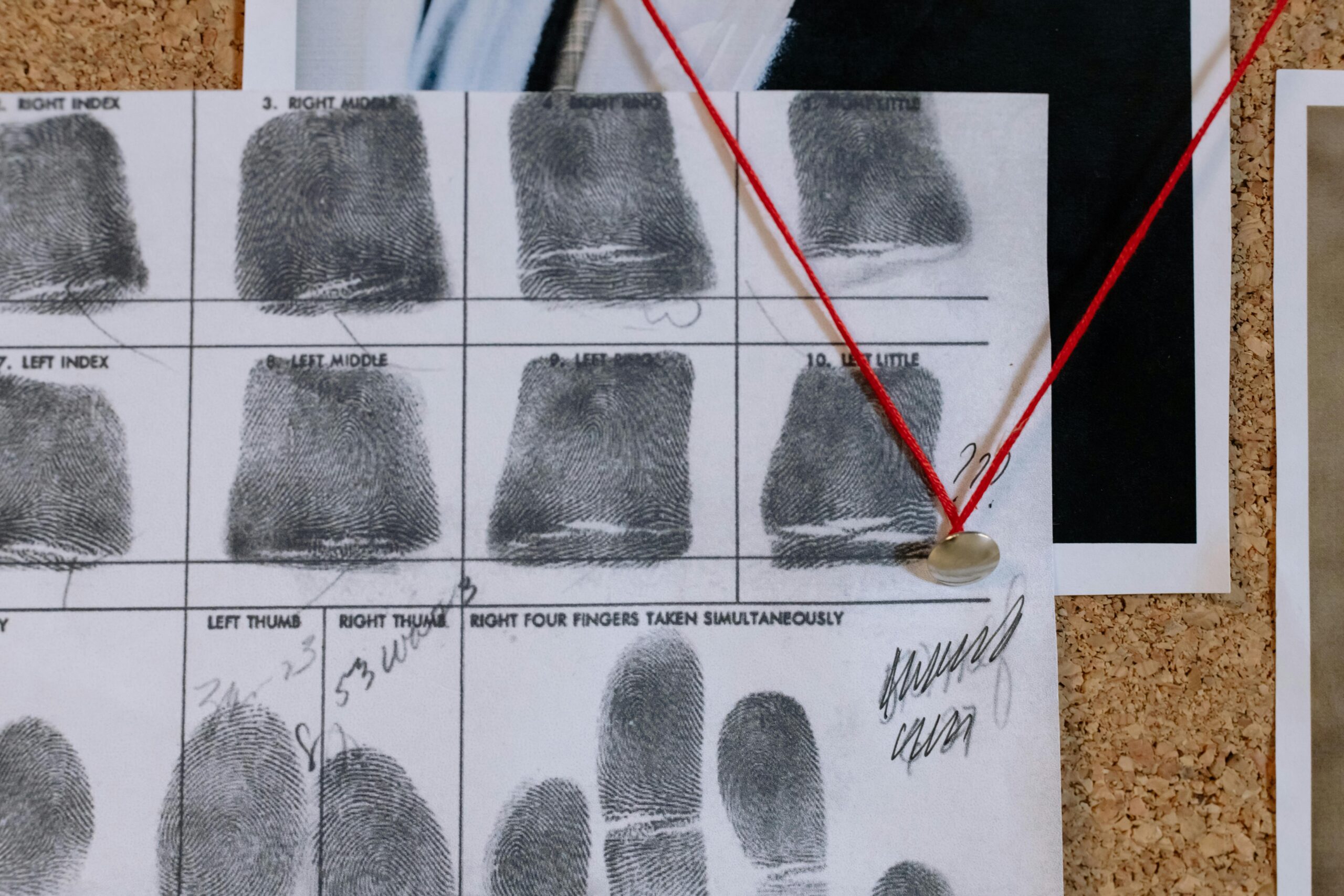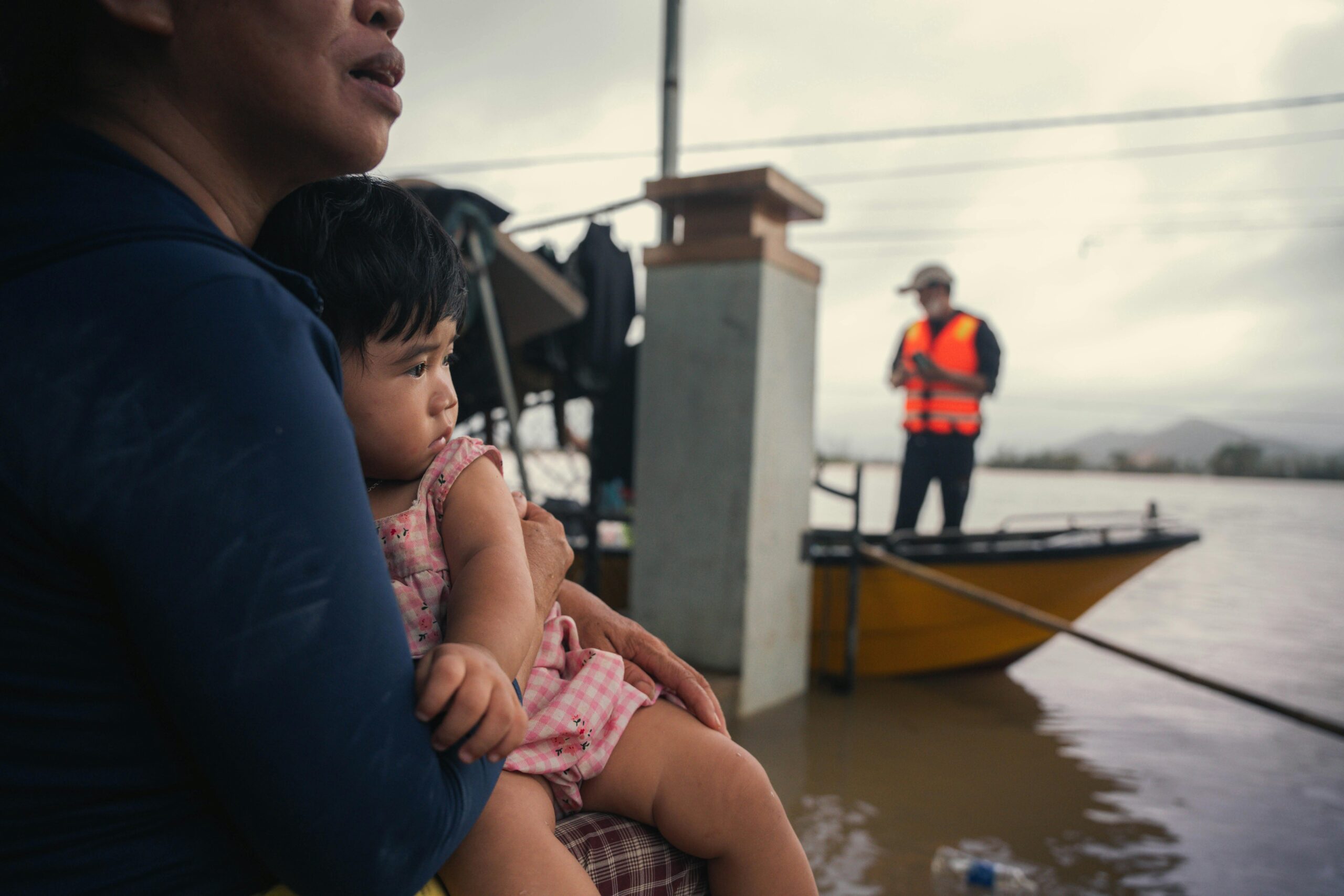
Nature holds countless secrets embedded in its smallest fragments. From pollen grains to seed pods, plant materials tell stories about geography, climate, and time that forensic scientists and researchers are learning to decode.

🌿 The Hidden Language of Botanical Evidence
Every plant fragment carries a unique fingerprint shaped by its environment. When investigators discover leaves, seeds, pollen, or wood at crime scenes, disaster sites, or archaeological digs, they’re uncovering biological breadcrumbs that can reveal precise locations and seasons. This scientific discipline, known as forensic botany, has revolutionized investigative work across multiple fields.
Plant materials accumulate on clothing, shoes, vehicles, and even digital devices transported through different environments. These microscopic hitchhikers provide evidence that’s incredibly difficult to fabricate or completely remove, making botanical clues exceptionally reliable for establishing timelines and geographical connections.
Understanding Plant Distribution Patterns
Plants don’t grow randomly across landscapes. Each species thrives within specific ecological niches determined by temperature ranges, precipitation levels, soil chemistry, altitude, and sunlight exposure. This distribution creates distinct botanical signatures for different regions.
Endemic species—plants found nowhere else on Earth—serve as particularly powerful location markers. For instance, certain orchid species exist only on specific Hawaiian islands, while particular cacti species inhabit narrow desert corridors. Identifying these specialized plants immediately narrows geographical possibilities.
Botanical Biogeography in Practice
Forensic botanists maintain extensive databases cataloging plant distributions worldwide. When analyzing unknown samples, they compare morphological features, genetic markers, and chemical compositions against these references. The more distinctive the plant material, the more precisely experts can pinpoint origin locations.
Climate zones create additional layers of specificity. Tropical rainforest vegetation differs dramatically from temperate deciduous forests, Mediterranean scrublands, or Arctic tundra. Even within similar climates, subtle variations in plant communities reflect local conditions, providing investigators with increasingly refined geographical information.
🔬 Pollen: Nature’s Microscopic GPS
Pollen grains represent perhaps the most powerful botanical location markers available to investigators. These tiny reproductive structures exhibit remarkable diversity in size, shape, and surface patterns, with each plant species producing distinctly identifiable pollen.
The durability of pollen makes it especially valuable. Protected by an outer wall called the exine—one of nature’s most resistant organic materials—pollen can survive for millennia under appropriate conditions. This resilience means pollen evidence persists long after other botanical materials have decomposed.
Reading the Pollen Record
Palynology, the study of pollen and spores, enables scientists to reconstruct past environments and establish precise timelines. Different plants release pollen during specific seasonal windows, creating temporal signatures as reliable as geographical ones. Spring pollen assemblages differ markedly from summer or autumn collections.
Forensic palynologists analyze pollen samples collected from suspects, victims, or objects, comparing them with reference collections from known locations. The combination of species present, their relative abundances, and preservation states provides comprehensive location and timing information.
Seasonal Indicators Written in Plant Tissues
Beyond pollen, numerous plant characteristics change predictably with seasons, offering investigators temporal clues. Understanding these cyclical patterns transforms botanical evidence into biological calendars.
Growth Rings and Seasonal Markers
Woody plants in temperate climates produce annual growth rings reflecting seasonal growth patterns. Wide rings indicate favorable growing seasons with adequate moisture and warmth, while narrow rings suggest environmental stress. These patterns create unique signatures corresponding to specific years and locations.
Dendrochronology, or tree-ring dating, can establish precise timelines extending back thousands of years. By matching ring patterns from unknown wood samples with established chronologies, experts determine exactly when trees were cut and sometimes where they grew.
Phenological Evidence
Plant phenology—the timing of life cycle events like flowering, fruiting, and leaf senescence—follows predictable seasonal schedules. Discovering fresh apple blossoms suggests springtime, while mature acorns indicate autumn. These observations help investigators narrow timeframes for events.
- Bud break and leaf emergence occur in spring
- Flowering peaks during specific seasonal windows
- Fruit maturation follows predictable timelines
- Leaf color changes signal autumn
- Seed dispersal patterns vary by season
- Winter dormancy creates distinctive plant states
🌍 Isotopic Analysis: Chemical Location Markers
Modern forensic botany increasingly employs isotopic analysis to determine plant origins. Stable isotopes of elements like carbon, nitrogen, oxygen, and hydrogen vary geographically based on environmental conditions, creating chemical fingerprints within plant tissues.
Water sources contain different oxygen and hydrogen isotope ratios depending on distance from oceans, altitude, and local precipitation patterns. Plants incorporate these signatures into their tissues, permanently recording their growing locations. Similarly, soil chemistry influences nitrogen and carbon isotope ratios in plant materials.
Combining Multiple Lines of Evidence
The most powerful forensic botanical investigations combine multiple analytical approaches. Morphological identification, DNA analysis, pollen examination, and isotopic profiling together provide converging evidence that’s far more conclusive than any single method.
This multi-proxy approach compensates for limitations in individual techniques. While morphology might narrow possibilities to several related species, DNA analysis can provide definitive identification. Geographic ranges suggest general locations, while isotopic signatures pinpoint specific regions.
Real-World Applications in Criminal Investigations
Forensic botany has solved numerous criminal cases by connecting suspects to crime scenes or revealing false alibis. Plant evidence on clothing, shoes, or vehicles can place individuals at specific locations during particular seasons, often contradicting their statements.
In one notable case, pollen evidence from a suspect’s vehicle matched the unique assemblage found at a remote burial site, providing crucial corroboration for other evidence. The seasonal timing of pollen also confirmed the timeframe when the suspect must have visited the location.
Wildlife Trafficking Investigations
International trade in endangered plants represents a multi-billion dollar illegal industry. Forensic botanists help combat this trade by identifying confiscated plant materials and determining their origins, enabling prosecution of traffickers and repatriation of specimens.
DNA barcoding allows rapid identification of plant fragments, even when processed into medicines, supplements, or decorative products. Geographic sourcing through isotopic analysis reveals whether plants came from protected areas or legal cultivation facilities.
📱 Technology Revolutionizing Plant Identification
Digital tools have democratized botanical identification, allowing both professionals and citizens to decode plant clues. Mobile applications using artificial intelligence can identify plants from photographs, making botanical knowledge accessible to investigators without specialized training.
These technological advances complement traditional expertise, enabling rapid field identifications that guide more detailed laboratory analyses. When unusual plant materials appear at scenes, quick preliminary identifications help investigators understand what additional testing might prove valuable.
Professional botanical databases now compile massive reference collections linking species to geographic distributions, seasonal patterns, and environmental preferences. These resources enable investigators to quickly assess whether plant evidence aligns with claimed locations and timelines.
Archaeological and Historical Applications
Plant fragments preserve information about past human activities, diets, and environments. Archaeological botanists analyze seeds, pollen, and wood from excavations to reconstruct ancient landscapes, agricultural practices, and trade networks.
Preserved plant materials reveal seasonal occupation patterns at historical sites. The presence of summer fruits versus winter storage crops indicates when people inhabited locations, while exotic plant species evidence long-distance trade or migration.
Climate Reconstruction Through Plant Proxies
Historical plant assemblages trapped in sediments, ice cores, or amber provide windows into past climates. Pollen sequences from lake sediments chronicle vegetation changes spanning thousands of years, revealing how plant communities responded to climate shifts.
These records help scientists understand natural climate variability and predict how modern ecosystems might respond to ongoing environmental changes. The seasonal patterns preserved in ancient plant materials also reveal how historical growing seasons differed from contemporary ones.
🔍 Challenges in Botanical Forensics
Despite its power, forensic botany faces significant challenges. Plant identification requires specialized expertise that’s not universally available in forensic laboratories. Maintaining comprehensive reference collections demands substantial resources and ongoing curation efforts.
Cross-contamination poses another concern. Plant materials transfer easily between environments, potentially creating misleading evidence trails. Investigators must carefully document chain of custody and consider alternative explanations for botanical evidence.
The Identification Puzzle
Many plant species look remarkably similar, requiring microscopic examination or genetic analysis for definitive identification. Fragmentary materials complicate this process, as diagnostic features may be absent or damaged. Seasonal variation within single species can also create confusion.
Building reliable databases linking botanical evidence to specific locations and seasons requires extensive fieldwork across diverse environments. As climate change alters plant distributions and phenology, these reference collections need continuous updates to remain accurate.
Training the Next Generation of Forensic Botanists
Growing recognition of botanical evidence’s value has increased demand for trained specialists. Academic programs now offer specialized courses in forensic botany, combining traditional plant taxonomy with modern molecular techniques and legal training.
Interdisciplinary collaboration has become essential. Forensic botanists work alongside law enforcement, archaeologists, ecologists, and climate scientists, requiring communication skills that bridge multiple professional cultures and technical languages.
🌱 Future Directions in Botanical Forensics
Emerging technologies promise to expand forensic botany’s capabilities dramatically. Portable DNA sequencers enable field identification without laboratory delays, while machine learning algorithms can recognize plant patterns in vast datasets far faster than human analysts.
Environmental DNA (eDNA) techniques detect plant presence from trace genetic materials in soil, water, or air samples. This approach could reveal what plants existed at locations even when no visible fragments remain, opening new investigative possibilities.
Integration with Other Evidence Types
Future investigations will increasingly integrate botanical evidence with other forensic disciplines. Combined pollen, insect, and microbial analyses will provide multifaceted location and timing evidence. Digital metadata from photographs might be cross-referenced with botanical evidence to verify claimed locations.
Climate change’s effects on plant distributions create both challenges and opportunities. Shifting ranges might complicate location determinations, but careful documentation of these changes will enable investigators to account for temporal dynamics in species distributions.
Citizen Science and Botanical Awareness
Public participation in botanical observation strengthens forensic capabilities. Citizen science projects documenting plant distributions, flowering times, and seasonal patterns create massive datasets that supplement professional research efforts.
Photography platforms where users identify and geolocate plants generate real-time distribution maps reflecting current species ranges. These crowdsourced resources provide investigators with up-to-date reference information that traditional herbarium collections alone cannot match.
The Enduring Value of Botanical Evidence
Plant fragments offer unique advantages as forensic evidence. Unlike human testimony, botanical clues don’t lie or forget. Unlike some physical evidence, plant materials are nearly impossible to completely eliminate from scenes or persons.
The specificity of plant distributions and seasonal patterns provides precision that complements other evidence types. When witnesses conflict and physical evidence remains ambiguous, botanical clues often provide the objective clarity that resolves cases.
As analytical techniques advance and reference databases expand, plant fragments will reveal increasingly detailed stories about locations and seasons. This ancient connection between plants and places continues proving invaluable for modern investigations, demonstrating that nature’s smallest fragments carry some of its most significant secrets. 🌿