DNA identification is transforming how scientists protect endangered species, track illegal wildlife trade, and restore fragile ecosystems across the globe.

🧬 The Molecular Revolution in Conservation Biology
For centuries, wildlife conservationists relied primarily on visual observations, physical measurements, and behavioral studies to understand and protect animal populations. Today, we’re witnessing a paradigm shift that’s rewriting the rules of conservation science. DNA identification technology has emerged as one of the most powerful tools in the modern conservationist’s arsenal, offering unprecedented insights into species diversity, population genetics, and ecological relationships that were previously invisible to researchers.
The application of genetic analysis in wildlife conservation represents more than just technological advancement—it’s a fundamental reimagining of how we understand and interact with the natural world. From the dense rainforests of the Amazon to the vast savannas of Africa, DNA technology is helping scientists answer critical questions about species survival, genetic diversity, and evolutionary adaptation in real-time.
Understanding DNA Identification: The Science Behind the Revolution
At its core, DNA identification in wildlife conservation involves extracting genetic material from animals and analyzing specific sequences to reveal unique information about individuals, populations, and species. This process, known as DNA barcoding, uses standardized gene regions that vary between species but remain consistent within them.
The most commonly used technique involves analyzing mitochondrial DNA, particularly the cytochrome c oxidase subunit I (COI) gene in animals. This approach has proven remarkably effective because mitochondrial DNA is abundant in cells, relatively easy to extract, and contains sufficient variation to distinguish between closely related species.
How Scientists Collect DNA from Wildlife
One of the most remarkable aspects of modern DNA identification is the diversity of sample sources available to researchers. Gone are the days when capturing or disturbing animals was necessary for genetic analysis. Today’s conservation geneticists can extract valuable DNA from:
- Hair samples caught on vegetation or collection devices
- Fecal matter found in natural habitats
- Shed skin cells in water sources
- Feathers, scales, and shed antlers
- Environmental DNA (eDNA) from soil and water samples
- Museum specimens and historical collections
This non-invasive sampling revolution has democratized wildlife research, allowing scientists to study even the most elusive and endangered species without causing stress or harm to the animals themselves.
🦏 Combating Wildlife Crime Through Genetic Forensics
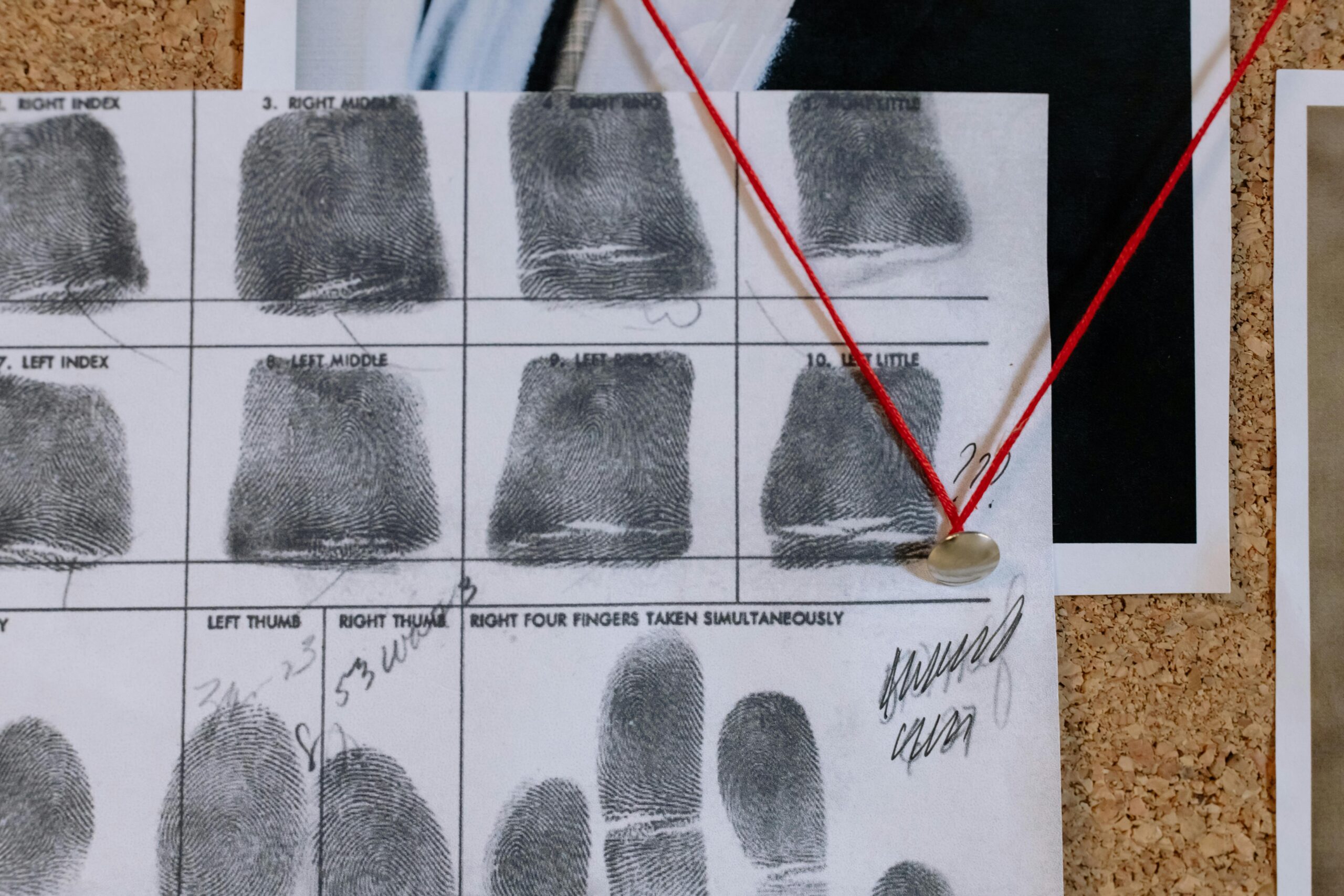
Perhaps nowhere is DNA identification more critical than in the fight against illegal wildlife trafficking. The global illegal wildlife trade is estimated to be worth between $7 billion and $23 billion annually, threatening countless species with extinction. DNA forensics has become an essential weapon in this battle, providing irrefutable evidence for prosecutions and helping authorities trace the origins of confiscated wildlife products.
When law enforcement officials seize ivory, rhino horn, or other wildlife products, DNA analysis can reveal not only the species but also the specific geographic population from which the material originated. This information is invaluable for identifying poaching hotspots, disrupting trafficking networks, and allocating conservation resources where they’re needed most.
Real-World Success Stories in Wildlife Forensics
In 2018, researchers used DNA analysis to link ivory seizures across three continents, revealing that a single criminal network was responsible for smuggling tusks from thousands of elephants. This breakthrough led to international investigations and demonstrated how genetic evidence can connect seemingly isolated incidents into coherent patterns of criminal activity.
Similarly, DNA testing of shark fins in international markets has exposed mislabeling fraud, where endangered species are sold under the names of more common varieties. These revelations have strengthened enforcement of international trade regulations and increased pressure on countries to improve monitoring systems.
Population Monitoring and Management Strategies
Understanding the size, structure, and health of wildlife populations is fundamental to effective conservation. DNA identification has revolutionized population monitoring by enabling scientists to track individual animals over time, estimate population sizes without complete censuses, and identify critical breeding patterns.
Traditional mark-recapture methods required physically tagging animals, a process that could be stressful, expensive, and sometimes dangerous for both researchers and wildlife. Genetic mark-recapture, by contrast, uses DNA profiles as unique identifiers, allowing researchers to “mark” animals through non-invasive sample collection and “recapture” them through subsequent genetic sampling.
Genetic Diversity: The Foundation of Species Survival
DNA analysis reveals the genetic diversity within populations—a crucial indicator of species resilience and long-term viability. Populations with low genetic diversity are more vulnerable to diseases, environmental changes, and inbreeding depression. By identifying populations at genetic risk, conservationists can prioritize interventions such as habitat corridor creation or managed breeding programs.
The Florida panther provides a compelling example. In the 1990s, this subspecies numbered fewer than 30 individuals and suffered from severe inbreeding effects including genetic abnormalities and reduced fertility. DNA analysis confirmed the crisis and informed the controversial decision to introduce Texas cougars into the population. The genetic rescue succeeded, and today the population exceeds 200 individuals with significantly improved genetic health.
🌳 Environmental DNA: Monitoring Ecosystems from Water and Soil
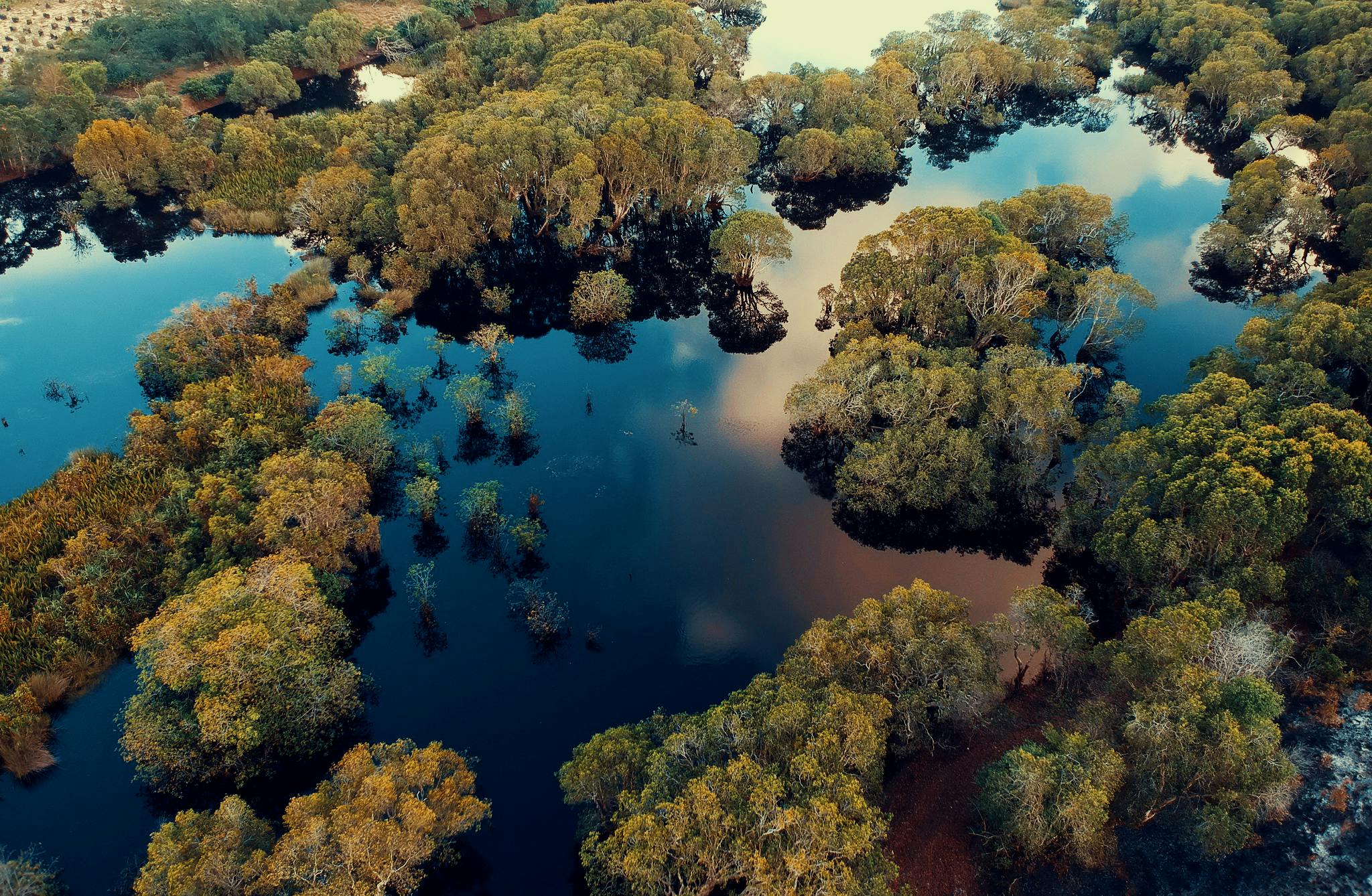
One of the most exciting frontiers in conservation genetics is environmental DNA (eDNA) analysis. This revolutionary technique allows scientists to detect species presence simply by collecting water, soil, or air samples from their environment. As organisms move through ecosystems, they constantly shed DNA through skin cells, waste, mucus, and other biological materials.
eDNA analysis has proven particularly valuable for monitoring aquatic ecosystems. A single liter of water can contain DNA from dozens of species, providing a comprehensive snapshot of biodiversity without the need for nets, traps, or visual surveys. This approach has detected rare and endangered species, revealed invasive species before they become established, and monitored ecosystem recovery after restoration efforts.
Applications Across Diverse Habitats
Researchers have successfully used eDNA to monitor great crested newts in ponds, detect rare freshwater pearl mussels in rivers, and track the distribution of endangered sharks in coastal waters. In terrestrial environments, soil eDNA has revealed the presence of elusive mammals, while airborne eDNA collection is an emerging frontier that may revolutionize how we monitor flying insects and birds.
Species Discovery and Taxonomic Clarification
DNA identification has accelerated the pace of species discovery and resolved longstanding taxonomic debates. Morphologically similar species that were once grouped together are now being recognized as distinct based on genetic differences, while some supposed species have been revealed as variations within a single species.
This taxonomic clarification has profound implications for conservation priorities and legal protections. When a population previously considered abundant is revealed to actually represent multiple rare species, conservation urgency increases. Conversely, when genetic analysis shows that geographically separated populations belong to the same species, it can facilitate more coordinated international conservation efforts.
Cryptic Species and Biodiversity Hotspots
DNA barcoding has been particularly revelatory in identifying cryptic species—organisms that appear identical but are genetically distinct. In Madagascar, genetic analysis of what appeared to be a single species of mouse lemur revealed over 20 distinct species. Similar discoveries have occurred in coral reefs, tropical forests, and deep-sea environments, suggesting that Earth’s biodiversity is even greater than previously estimated.
🔬 Advanced Applications in Conservation Genetics
Beyond identification and monitoring, DNA technology is enabling increasingly sophisticated conservation interventions. Genomic sequencing—analyzing an organism’s complete genetic code—provides insights into adaptive potential, disease resistance, and evolutionary history that inform conservation strategies.
Assisted Gene Flow and Genetic Rescue
As climate change forces species to adapt rapidly, some populations lack sufficient genetic diversity to evolve quickly enough. Assisted gene flow involves deliberately moving individuals between populations to introduce beneficial genetic variants. DNA analysis identifies which populations possess valuable adaptations and which would benefit most from genetic supplementation.
De-extinction and Genetic Resurrection
While controversial, advances in ancient DNA extraction and genetic engineering have raised the theoretical possibility of resurrecting extinct species or restoring lost genetic diversity. Scientists have sequenced genomes from woolly mammoths, passenger pigeons, and other extinct species. While true de-extinction remains technologically distant, these efforts are yielding valuable insights into evolutionary processes and extinction causes.
Challenges and Limitations of DNA-Based Conservation
Despite its transformative potential, DNA identification faces significant challenges. The technology requires specialized equipment, trained personnel, and substantial funding—resources that are often scarce in biodiversity-rich developing nations where conservation needs are greatest. Establishing reference databases of genetic sequences for all species is a monumental undertaking still far from complete.
Sample quality presents another challenge. Environmental DNA degrades rapidly, particularly in warm, humid conditions, limiting detection windows and potentially yielding false negatives. Contamination can produce false positives, while the inability to distinguish live organisms from dead ones means eDNA detection doesn’t always indicate active populations.
Ethical Considerations and Data Management
The collection and use of genetic data raise important ethical questions. Who owns genetic information from wildlife? How should genetic databases be managed to prevent misuse? What are the implications of using genetic information to make life-or-death decisions about which populations to save? These questions require ongoing dialogue between scientists, policymakers, indigenous communities, and the public.
🌍 Global Collaboration and Standardization Efforts
The effectiveness of DNA identification in conservation depends on international cooperation and standardized methodologies. Projects like the Barcode of Life Initiative aim to create comprehensive reference libraries of DNA barcodes for all species, facilitating identification efforts worldwide.
Similarly, organizations are developing standardized protocols for sample collection, DNA extraction, and data analysis to ensure results are comparable across studies and regions. These efforts are essential for tracking wildlife trafficking across borders, monitoring migratory species, and coordinating international conservation strategies.
The Future of DNA Technology in Conservation
The field of conservation genetics is advancing rapidly, with new technologies promising even greater capabilities. Portable DNA sequencers are making genetic analysis possible in remote field locations, eliminating delays associated with transporting samples to laboratories. Machine learning algorithms are improving the speed and accuracy of species identification from complex environmental samples.
CRISPR and other gene-editing technologies raise the possibility of more direct genetic interventions, such as conferring disease resistance to endangered species or removing harmful mutations from small populations. While such applications remain largely theoretical and controversial, they represent potential tools for preventing extinctions in a rapidly changing world.
Integrating DNA Data with Other Conservation Tools
The future of conservation lies in integrating genetic information with other data streams including satellite imagery, camera trap networks, acoustic monitoring, and citizen science observations. This holistic approach will provide comprehensive understanding of ecosystems and enable adaptive management strategies that respond to changing conditions in real-time.

💡 Empowering Conservation Through Genetic Insights
DNA identification has fundamentally transformed wildlife conservation from a discipline based primarily on observation to one grounded in molecular understanding. By revealing the hidden genetic connections between individuals, populations, and species, this technology provides the knowledge necessary to make informed decisions about protecting Earth’s biodiversity.
As climate change, habitat loss, and human-wildlife conflict intensify, the insights provided by DNA analysis become increasingly critical. Understanding which populations possess genetic adaptations to warming temperatures, which species are most vulnerable to emerging diseases, and how genetic diversity is distributed across landscapes allows conservationists to allocate limited resources strategically and maximize impact.
The revolution in DNA identification represents more than scientific achievement—it embodies humanity’s growing commitment to understanding and preserving the natural world. Every genetic sequence decoded, every species identified, and every population monitored contributes to a more complete picture of life on Earth and our role in protecting it.
The secrets of nature encoded in DNA are finally being unlocked, revealing both the fragility and resilience of wildlife populations. This knowledge carries responsibility—the responsibility to act on what we learn, to protect what remains, and to restore what has been lost. As DNA technology continues to advance and become more accessible, its role in conservation will only grow, offering hope that we can preserve Earth’s incredible biodiversity for generations to come.