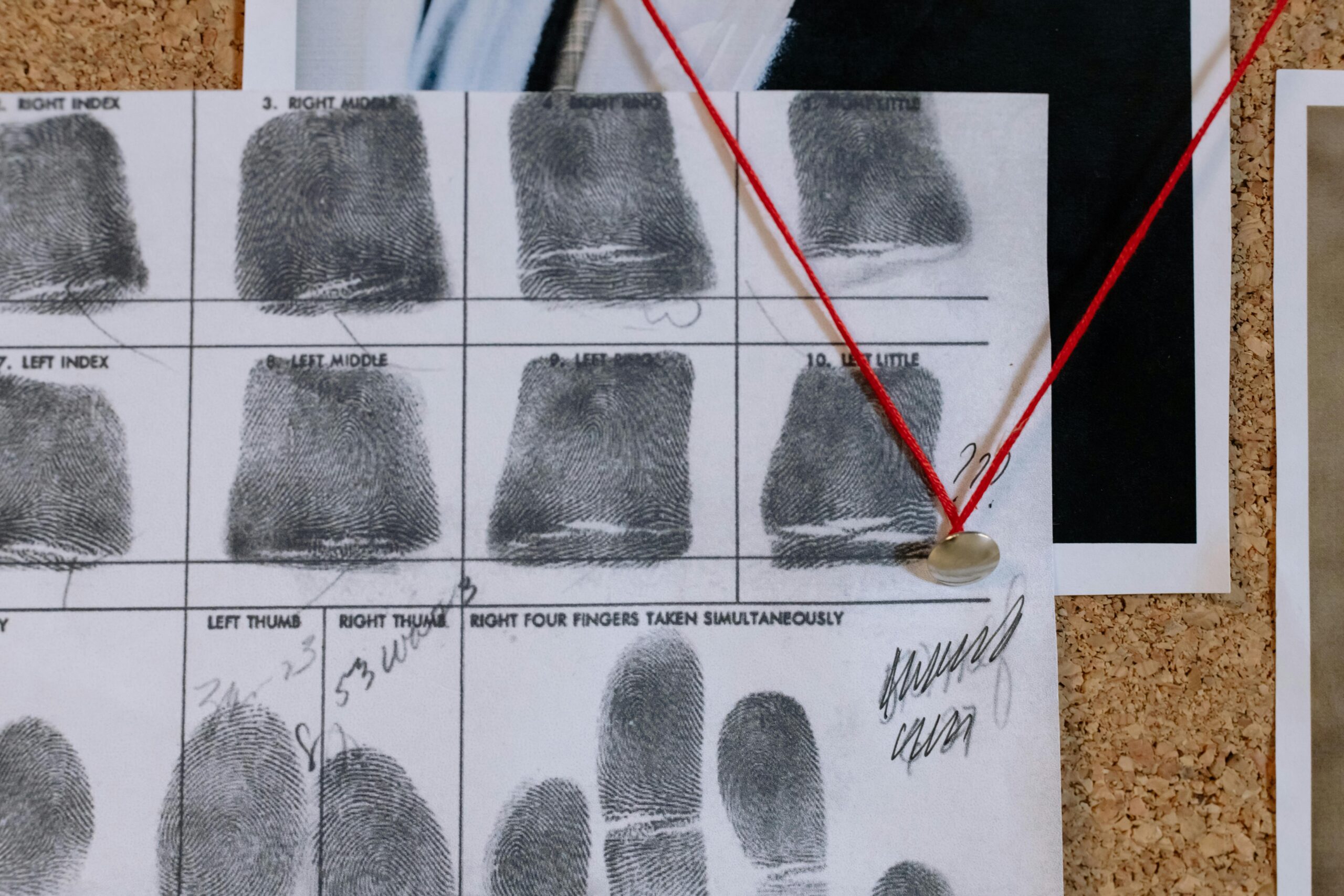
The reliability of DNA evidence in criminal investigations depends entirely on maintaining an unbroken chain of custody and meticulous documentation throughout the entire forensic process.

🔬 Understanding the Foundation of DNA Evidence Integrity
DNA evidence has revolutionized criminal justice systems worldwide, providing investigators with powerful tools to identify perpetrators, exonerate the innocent, and solve cases that would have remained mysteries decades ago. However, the scientific validity of DNA analysis means nothing if the evidence itself has been compromised, contaminated, or mishandled during collection, storage, or analysis.
The chain of custody represents the chronological documentation that records the sequence of custody, control, transfer, analysis, and disposition of physical or electronic evidence. For DNA evidence specifically, this documentation becomes critically important because even microscopic contamination can render results unreliable or inadmissible in court.
Every person who handles biological evidence becomes a link in this chain. From the first responder at a crime scene to the laboratory technician conducting the final analysis, each individual must document their interaction with the evidence. This creates an auditable trail that can withstand scrutiny in courtroom proceedings and ensures that the evidence presented is the same material collected from the crime scene.
⚖️ Legal Requirements and Admissibility Standards
Courts have established strict standards for the admissibility of DNA evidence, largely based on maintaining proper chain of custody. The landmark case Daubert v. Merrell Dow Pharmaceuticals established criteria for scientific evidence admissibility in federal courts, emphasizing the importance of reliable methodology and proper handling procedures.
Defense attorneys frequently challenge DNA evidence based on chain of custody issues. A single gap in documentation, an unexplained transfer, or missing signatures can create reasonable doubt about whether the evidence was tampered with, contaminated, or even substituted. Prosecutors must therefore demonstrate that evidence was properly collected, stored, transferred, and analyzed at every stage.
The Federal Rules of Evidence, particularly Rule 901, require authentication of evidence before admission. For DNA evidence, this authentication process relies heavily on chain of custody documentation. Without proper documentation, even scientifically valid DNA analysis results may be excluded from trial, potentially allowing guilty parties to escape conviction or wrongfully implicating innocent individuals.
Constitutional Protections and Evidence Integrity
The Sixth Amendment guarantees defendants the right to confront witnesses against them. Chain of custody documentation enables defense counsel to identify and cross-examine every individual who handled evidence. This constitutional protection reinforces why comprehensive documentation is not merely bureaucratic red tape but a fundamental safeguard of justice.
Additionally, due process requirements under the Fifth and Fourteenth Amendments mandate that evidence used against defendants must be reliable. Proper chain of custody procedures serve as quality control mechanisms that protect these constitutional rights while simultaneously strengthening the prosecution’s case when evidence has been properly handled.
🔍 Critical Stages in DNA Evidence Chain of Custody
The chain of custody begins the moment potential biological evidence is identified at a crime scene. Each stage presents unique challenges and opportunities for contamination or documentation failures.
Crime Scene Collection and Initial Documentation
First responders and crime scene investigators bear tremendous responsibility for evidence integrity. The collection process must be methodical and thoroughly documented. Investigators must photograph evidence in situ before collection, note the exact location, date, and time of collection, and identify all personnel present at the scene.
Biological samples require special handling protocols. Blood, saliva, semen, hair, skin cells, and other biological materials must be collected using sterile equipment to prevent cross-contamination. Each sample must be packaged separately in appropriate containers that prevent degradation—paper envelopes for dried samples, secure plastic containers for liquid samples, and specialized collection kits for specific types of evidence.
The initial chain of custody form must include detailed information about each piece of evidence, including a unique identification number, description of the item, location where it was found, name and signature of the collector, and the date and time of collection. This documentation creates the first link in the evidentiary chain.
Transportation and Storage Protocols
After collection, biological evidence must be transported to secure storage facilities or directly to forensic laboratories. During transportation, evidence must remain sealed and protected from environmental factors that could cause degradation, such as heat, humidity, or sunlight.
The transporting officer must sign the chain of custody form, acknowledging receipt of the evidence and responsibility for its integrity during transit. Any deviation from standard transport procedures must be documented and explained. Temperature-controlled transport may be necessary for certain biological samples to prevent DNA degradation.
Storage facilities must maintain controlled environments appropriate for biological evidence preservation. Evidence rooms require restricted access, with entry logs documenting every person who enters. Climate control systems maintain optimal temperature and humidity levels, and security cameras provide additional documentation of evidence storage areas.
Laboratory Analysis and Internal Documentation
When evidence arrives at forensic laboratories, receiving personnel must verify that seals remain intact and documentation is complete. Any discrepancies must be immediately noted and investigated. Laboratory information management systems (LIMS) track evidence movement within the facility, creating digital chain of custody records that supplement physical documentation.
During analysis, DNA samples undergo multiple procedures including extraction, quantification, amplification, and analysis. Each step must be documented, including the analyst’s name, date and time of analysis, procedures performed, equipment used, and results obtained. Aliquots taken for testing must be tracked separately while maintaining connection to the original evidence item.
Quality control measures include regular equipment calibration, proficiency testing of analysts, and analysis of positive and negative controls alongside case samples. Documentation of these quality measures demonstrates that laboratory procedures meet scientific standards and that results are reliable.
📋 Essential Documentation Components
Comprehensive documentation forms the backbone of chain of custody integrity. While specific forms vary by jurisdiction, certain elements remain universal requirements for forensic evidence documentation.
Mandatory Information Fields
Every chain of custody document must include specific data points that create an unbroken record of evidence handling:
- Unique identification numbers: Each evidence item receives a permanent identifier that remains consistent throughout the process
- Detailed descriptions: Physical characteristics, quantity, and condition of evidence at each transfer point
- Personnel information: Full names, signatures, and credentials of everyone handling evidence
- Temporal documentation: Precise dates and times for collection, transfers, and analytical procedures
- Location tracking: Complete record of where evidence was stored at all times
- Purpose documentation: Reason for each transfer or handling incident
- Seal integrity notes: Verification that evidence containers remained sealed between authorized access points
Digital Documentation Systems
Modern forensic facilities increasingly employ electronic chain of custody systems that reduce documentation errors and improve traceability. Barcode scanning, RFID tracking, and blockchain technologies provide additional layers of verification and create tamper-evident digital records.
Electronic systems offer several advantages over paper documentation, including automatic time-stamping, elimination of handwriting legibility issues, integration with laboratory information systems, and rapid retrieval of historical records. However, these systems must include audit trails that document any modifications to records and maintain backup systems to prevent data loss.
Despite technological advances, paper documentation often serves as backup or primary records in many jurisdictions. Hybrid systems combining digital efficiency with paper redundancy provide optimal protection against documentation failures.
⚠️ Common Chain of Custody Vulnerabilities
Understanding potential weaknesses in evidence handling helps organizations implement preventive measures and training programs that strengthen integrity protocols.
Transfer Documentation Gaps
The most frequent chain of custody failures occur during evidence transfers between personnel or facilities. Incomplete signatures, missing dates or times, or unclear documentation about who possessed evidence during specific periods create vulnerabilities that defense attorneys can exploit.
Rush situations, such as emergency evidence processing or multiple simultaneous cases, increase the risk of documentation shortcuts. Establishing standard operating procedures that remain feasible even during high-pressure situations helps prevent these gaps.
Storage and Access Control Issues
Inadequate security at evidence storage facilities represents another significant vulnerability. Evidence rooms without controlled access, missing entry logs, or malfunctioning security systems create opportunities for tampering or create perception of potential tampering that undermines evidence credibility.
Long-term storage presents particular challenges. Evidence from cold cases may be stored for decades, during which time storage protocols may change, facilities may be relocated, or personnel may retire. Maintaining documentation continuity across these transitions requires systematic record-keeping and regular audits of stored evidence.
Cross-Contamination Risks
Biological evidence is particularly susceptible to cross-contamination during collection, analysis, or storage. DNA from investigators, laboratory personnel, or other evidence items can compromise samples. While contamination issues may not directly violate chain of custody, they often result from inadequate documentation of handling procedures and environmental controls.
Prevention requires meticulous documentation of collection techniques, use of personal protective equipment, cleaning procedures for equipment and surfaces, and spatial separation of evidence items during processing. Reference samples from personnel who handle evidence may be necessary for elimination purposes when contamination is suspected.
🛡️ Best Practices for Maintaining Evidence Integrity
Organizations handling DNA evidence must implement comprehensive protocols that address every aspect of the chain of custody process.
Training and Certification Programs
All personnel involved in evidence handling require specialized training in chain of custody procedures. Training programs should cover legal requirements, documentation standards, contamination prevention, proper packaging techniques, and the consequences of procedural failures.
Regular refresher training ensures that personnel remain current with evolving standards and technologies. Certification programs demonstrate competency and provide documentation that qualified individuals handled evidence according to established protocols.
Standard Operating Procedures
Written standard operating procedures (SOPs) create consistency in evidence handling across different personnel and situations. SOPs should detail specific steps for collection, packaging, labeling, transport, storage, and analysis of DNA evidence.
Procedures must be practical and achievable in real-world conditions while maintaining scientific and legal standards. Regular review and updating of SOPs ensures they reflect current best practices and address identified vulnerabilities.
Quality Assurance and Auditing
Internal quality assurance programs should include regular audits of chain of custody documentation, physical verification that stored evidence matches inventory records, and review of documentation completeness before case materials are released for prosecution.
External audits by accreditation bodies provide independent verification that facilities meet national and international standards. Organizations should pursue accreditation from bodies such as the American Society of Crime Laboratory Directors/Laboratory Accreditation Board (ASCLD/LAB) or International Organization for Standardization (ISO).
🌐 Technology’s Role in Enhancing Documentation
Emerging technologies offer new opportunities to strengthen chain of custody integrity and reduce human error in documentation processes.
Blockchain Applications for Evidence Tracking
Blockchain technology creates immutable records of evidence transactions that cannot be altered after creation. Each transfer or handling event becomes a permanent block in the chain, providing cryptographic verification of evidence history.
This technology addresses concerns about documentation tampering and creates transparent, verifiable records that enhance courtroom credibility. Several jurisdictions have begun piloting blockchain-based evidence management systems with promising results.
Automated Monitoring Systems
Smart evidence storage systems equipped with sensors monitor environmental conditions, detect unauthorized access attempts, and automatically document evidence movements. These systems create continuous documentation that supplements personnel-generated records.
Integration with laboratory information systems enables real-time tracking of evidence location and status, reducing the time required to locate specific items and improving overall efficiency while enhancing documentation completeness.
💡 The Human Element: Why Documentation Culture Matters
Technology and procedures are essential, but organizational culture ultimately determines chain of custody integrity. Creating a culture that values meticulous documentation requires leadership commitment and recognition that these procedures protect both justice and the organization.
Personnel must understand that proper chain of custody is not bureaucratic obstacle but essential safeguard. When investigators and analysts see documentation as integral to their professional mission rather than administrative burden, compliance improves and errors decrease.
Organizations should celebrate successes where proper documentation prevented evidence challenges or contributed to successful prosecutions. Conversely, near-misses or documentation failures should be treated as learning opportunities rather than purely punitive situations, encouraging reporting and improvement.
🔐 Protecting the Innocent and Convicting the Guilty
The ultimate purpose of rigorous chain of custody protocols extends beyond legal compliance. These procedures protect innocent individuals from wrongful conviction based on compromised evidence while ensuring that guilty parties face justice based on reliable scientific proof.
DNA exonerations have demonstrated the catastrophic consequences when evidence is mishandled or documentation is inadequate. The Innocence Project and similar organizations have documented numerous cases where proper chain of custody procedures could have prevented wrongful convictions or facilitated earlier exonerations.
Conversely, meticulous evidence handling enables investigators to build cases that withstand rigorous scrutiny. When chain of custody documentation is complete and proper procedures have been followed throughout the process, prosecutors can confidently present DNA evidence knowing it will survive challenges and contribute to just outcomes.
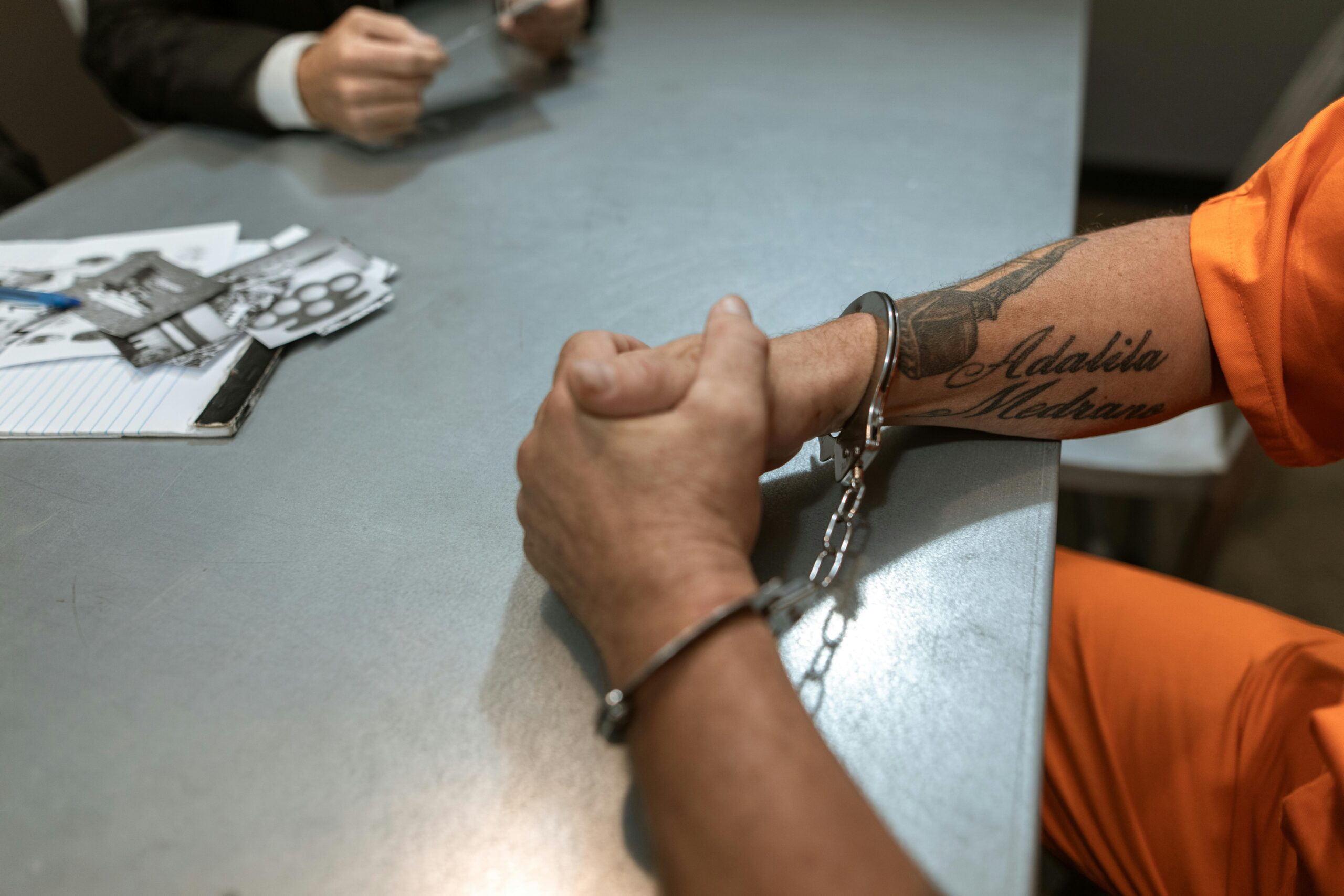
🎯 Moving Forward: Continuous Improvement in Evidence Integrity
The field of forensic science continues evolving, with new DNA analysis techniques, emerging technologies, and changing legal standards. Organizations must commit to continuous improvement in chain of custody procedures to maintain evidence integrity in this dynamic environment.
Regular assessment of current practices against national standards and best practices from leading forensic organizations identifies opportunities for improvement. Participation in professional associations and attendance at forensic science conferences exposes personnel to innovations and lessons learned from other jurisdictions.
Investment in modern evidence management systems, ongoing personnel training, and quality assurance programs demonstrates organizational commitment to evidence integrity. While these investments require resources, the costs of compromised cases—both in justice denied and organizational reputation—far exceed the expense of proper evidence handling systems.
As DNA technology becomes increasingly sensitive, capable of generating profiles from ever-smaller samples, the importance of contamination prevention and meticulous documentation only grows. Touch DNA analysis and advanced techniques that analyze degraded samples raise the stakes for proper evidence handling at every stage.
The integrity of DNA evidence ultimately rests on human diligence, systematic procedures, and organizational commitment to excellence. Chain of custody documentation represents more than paperwork—it embodies the justice system’s commitment to truth, fairness, and scientific rigor. By maintaining unbroken chains of custody and comprehensive documentation, forensic professionals honor their responsibility to serve justice and protect the rights of all individuals involved in criminal proceedings.
Every signature on a chain of custody form, every properly sealed evidence package, and every meticulously maintained log entry contributes to a system where scientific evidence serves its highest purpose: revealing truth and ensuring justice prevails.