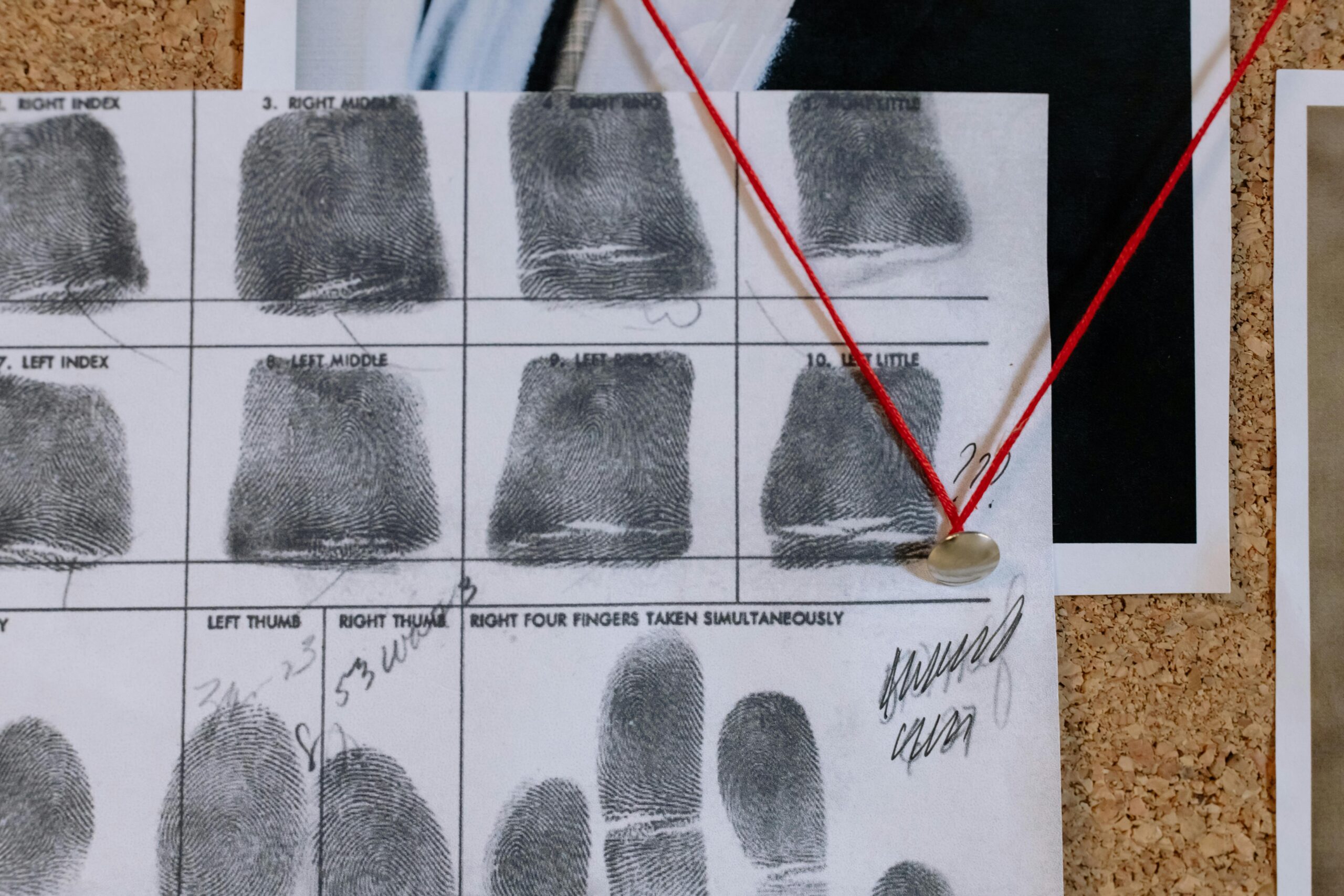
Forensic genetics has revolutionized criminal justice, yet hidden biases threaten to undermine its promise of objective truth and equal treatment under the law.

The intersection of forensic science and human bias creates a complex challenge that demands urgent attention. As DNA analysis becomes increasingly central to investigations and courtroom proceedings, the potential for unconscious prejudices to influence outcomes grows exponentially. Understanding these biases isn’t just an academic exercise—it’s essential for protecting the integrity of our justice system and ensuring equitable treatment for all individuals, regardless of their background.
🧬 The Foundation: What Makes Forensic Genetics Vulnerable to Bias
Forensic genetics operates at the crossroads of cutting-edge science and human interpretation. While DNA itself doesn’t lie, the processes surrounding its collection, analysis, and interpretation involve numerous decision points where unconscious bias can creep in. These biases aren’t necessarily intentional; they’re often the result of cognitive shortcuts, cultural conditioning, and systemic patterns that exist below conscious awareness.
The scientific community has long prided itself on objectivity, but research consistently demonstrates that scientists are as susceptible to cognitive biases as anyone else. In forensic genetics, these biases can manifest at every stage—from which evidence gets prioritized for testing to how ambiguous results are interpreted and presented in court.
The Human Element in Scientific Analysis
Despite technological advances, forensic genetic analysis still requires significant human involvement. Technicians decide which samples to prioritize, analysts interpret complex data patterns, and expert witnesses communicate findings to juries. Each of these stages presents opportunities for unconscious bias to influence outcomes.
Contextual bias represents one of the most insidious threats to forensic objectivity. When analysts know details about a case—the suspect’s background, the nature of the crime, or investigative theories—this information can unconsciously influence their interpretation of ambiguous evidence. Studies have shown that the same DNA profile can be interpreted differently depending on what contextual information the analyst possesses.
📊 Statistical Disparities Revealing Systemic Issues
The numbers tell a troubling story. Research has documented significant disparities in how forensic genetic evidence is collected, analyzed, and applied across different demographic groups. These disparities aren’t random; they reflect deeper systemic biases that permeate criminal justice systems worldwide.
African American, Latino, and Indigenous communities experience disproportionate rates of DNA database inclusion, often through arrestee collection policies that don’t require conviction. This overrepresentation creates a feedback loop where individuals from these communities are more likely to be identified as matches, reinforcing existing surveillance and enforcement patterns.
Database Demographics and Probability Calculations
Forensic DNA databases worldwide contain disproportionate numbers of profiles from marginalized communities. This demographic skew affects the probability calculations used to determine the significance of DNA matches. When databases don’t reflect the broader population accurately, the statistical foundations of forensic genetics become questionable.
Match probabilities depend on population genetics data, yet many forensic laboratories use reference databases that inadequately represent genetic diversity within and between populations. This can lead to either overestimating or underestimating the significance of a match, with potentially serious consequences for justice.
🔍 Confirmation Bias in DNA Analysis
Confirmation bias—the tendency to interpret information in ways that confirm pre-existing beliefs—poses a particular danger in forensic genetics. When investigators have a suspect in mind, analysts may unconsciously interpret ambiguous evidence in ways that support that hypothesis while discounting alternative explanations.
Low-template DNA analysis, which examines very small amounts of genetic material, is especially vulnerable to confirmation bias. These samples often produce partial or unclear results that require subjective interpretation. Research has demonstrated that analysts presented with identical profiles reach different conclusions depending on contextual information provided about suspects.
The Danger of Cognitive Tunneling
Cognitive tunneling occurs when investigators become so focused on one theory or suspect that they fail to consider alternatives. In forensic genetics, this can mean that once a potential DNA match is identified, other possibilities receive insufficient consideration. Exculpatory evidence may be overlooked or dismissed, while inculpatory evidence receives disproportionate weight.
This phenomenon isn’t limited to individual analysts. Entire investigative teams can experience collective confirmation bias, creating echo chambers where assumptions go unchallenged and alternative interpretations remain unexplored.
⚖️ Racial and Ethnic Bias in Forensic Applications
The history of forensic science contains troubling episodes of racist pseudoscience, from phrenology to discredited theories about biological criminality. While contemporary forensic genetics operates on sound scientific principles, it exists within social contexts shaped by historical and ongoing racial injustice.
Phenotyping—the practice of predicting physical characteristics from DNA—has generated particular controversy. While proponents argue it provides valuable investigative leads, critics warn that predicting traits like skin color, facial features, or ancestry can reinforce racial profiling and discriminatory enforcement practices.
Ancestry Inference and Its Implications
Forensic ancestry analysis attempts to determine an individual’s biogeographic background from their DNA. However, genetic ancestry is complex, continuous, and doesn’t map neatly onto social categories of race and ethnicity. The categories used in forensic reports often reflect social constructions rather than biological realities.
When forensic reports describe ancestry using terms like “African,” “European,” or “Asian,” they risk reifying racial categories that have more social than biological meaning. This becomes especially problematic when such information influences investigative focus or is presented as more definitive than the underlying science warrants.
🛡️ Blind Testing and Sequential Unmasking
The medical and pharmaceutical industries have long recognized blind testing as essential for preventing bias. Forensic genetics has been slower to adopt similar safeguards, despite compelling evidence of their effectiveness. Blind testing means analysts examine evidence without knowing contextual case information that could bias their interpretation.
Sequential unmasking represents a more practical compromise for forensic settings. Under this approach, analysts receive only the information necessary for each stage of analysis, with additional context revealed only as needed. This preserves investigative efficiency while reducing opportunities for bias to influence technical decisions.
Implementing Bias-Reducing Protocols
Several forensic laboratories worldwide have begun implementing protocols designed to minimize bias:
- Linear sequential unmasking procedures that control information flow
- Independent verification of results by analysts without case context
- Standardized documentation requirements that separate observations from interpretations
- Regular audits examining whether demographic factors correlate with analytical outcomes
- Cognitive bias training for all personnel involved in forensic analysis
These measures don’t eliminate human judgment from forensic genetics—nor should they. Expert interpretation remains essential for handling complex cases. Rather, these protocols structure the analytical process to reduce opportunities for unconscious bias to influence outcomes.
🎓 Education and Training Initiatives
Addressing unconscious bias requires more than procedural changes; it demands cultural transformation within forensic science communities. Education and training programs help practitioners recognize their own potential biases and understand how these can affect their work.
Effective bias training goes beyond simple awareness. It provides concrete strategies for debiasing decisions, creates safe spaces for discussing mistakes and uncertainties, and fosters cultures where questioning assumptions is encouraged rather than discouraged. Training should be ongoing rather than one-time, as bias mitigation requires continuous attention and practice.
Diversifying the Forensic Workforce
Workforce diversity serves as a natural check against groupthink and unexamined assumptions. When forensic laboratories employ people from varied backgrounds, they benefit from multiple perspectives that can identify blind spots and challenge conventional wisdom.
However, diversifying personnel is only part of the solution. Organizations must also create inclusive environments where diverse voices are heard and valued. Without inclusive cultures, diverse workforces may still produce homogeneous thinking as individuals conform to dominant norms.
💻 Technology’s Double-Edged Sword
Advanced technologies promise to reduce human bias in forensic genetics by automating analytical processes. Probabilistic genotyping software, machine learning algorithms, and automated interpretation systems can standardize decisions and reduce subjective judgment.
Yet technology can also encode and amplify existing biases. Algorithms trained on biased data reproduce and even magnify those biases. When forensic software is developed and tested primarily using samples from particular populations, it may perform less reliably for others. The apparent objectivity of computer-generated results can make embedded biases even more dangerous by hiding them behind a veneer of technological neutrality.
Ensuring Algorithmic Fairness
Addressing bias in forensic technology requires intentional effort during development, validation, and deployment. Software developers must test algorithms across diverse populations, examine whether error rates vary by demographic factors, and remain transparent about limitations and uncertainties.
Independent validation studies conducted by researchers without financial stakes in particular technologies provide essential checks on vendor claims. Forensic laboratories should demand evidence that technologies perform equitably across populations before adopting them for casework.
🌍 International Perspectives and Standards
Unconscious bias in forensic genetics isn’t confined to any single country or legal system. As DNA databases and technologies proliferate globally, the need for international standards addressing bias becomes increasingly urgent. Different legal traditions, cultural contexts, and resource levels shape how various nations approach forensic genetics and bias mitigation.
European countries have generally adopted stronger privacy protections and more restrictive database policies than the United States, reflecting different balances between security and civil liberties. Some nations have implemented comprehensive bias training and blind testing protocols, while others lag behind. International organizations and professional associations play crucial roles in disseminating best practices and establishing minimum standards.
🔬 Research Gaps and Future Directions
Despite growing awareness of bias issues in forensic genetics, significant research gaps remain. We need more empirical studies examining how often and under what circumstances bias affects outcomes, what interventions most effectively reduce bias, and how to balance bias mitigation with other important values like efficiency and investigative effectiveness.
Longitudinal research tracking cases through the entire justice process could reveal where biases have the greatest impact. Experimental studies comparing biased versus unbiased conditions help identify effective debiasing strategies. Qualitative research exploring practitioners’ experiences and perspectives provides insights that quantitative data alone cannot capture.
Emerging Technologies and New Challenges
Rapid technological advancement continually creates new contexts for potential bias. Forensic investigative genetic genealogy—using consumer DNA databases to identify suspects—raises novel questions about privacy, consent, and equitable application. As CRISPR and other gene-editing technologies advance, questions about genetic discrimination may take on new urgency.
Staying ahead of bias issues requires proactive rather than reactive approaches. The forensic genetics community must anticipate how emerging technologies might create new opportunities for bias and develop safeguards before problems become entrenched.
⚡ Moving from Awareness to Action
Recognizing unconscious bias is only the first step. Meaningful change requires translating awareness into concrete policies, procedures, and practices. This means allocating resources for bias mitigation efforts, prioritizing equity in organizational missions, and holding individuals and institutions accountable for outcomes.
Forensic laboratories should conduct regular bias audits examining whether demographic factors correlate with analytical decisions or outcomes. When disparities are identified, organizations must investigate causes and implement corrective measures. Transparency about bias issues, rather than defensiveness, builds public trust and drives improvement.
Collaborative Approaches to Systemic Change
Addressing bias in forensic genetics requires collaboration across disciplines and institutions. Forensic scientists must work with social scientists who study bias, legal scholars who understand justice system implications, and community advocates who represent affected populations. These partnerships ensure that solutions address real-world problems and reflect diverse perspectives.
Professional organizations play crucial roles by establishing standards, providing training resources, and creating forums for sharing knowledge. Accreditation bodies can incorporate bias mitigation into quality standards, creating incentives for laboratories to adopt best practices.
🌟 Building Trust Through Transparency and Accountability
Public trust in forensic genetics depends on demonstrable commitment to equity and fairness. When communities perceive forensic science as another tool for discriminatory enforcement, cooperation evaporates and justice suffers. Building trust requires transparency about limitations, acknowledgment of past problems, and meaningful accountability when mistakes occur.
Forensic laboratories should communicate openly about their bias mitigation efforts, inviting external review and feedback. When errors or biases are identified, organizations must respond constructively rather than defensively, implementing changes that prevent recurrence. This kind of institutional humility, though difficult, is essential for maintaining legitimacy.
The path forward for forensic genetics lies not in claiming perfect objectivity—an impossible standard—but in honestly confronting bias and continuously working to minimize its impact. By implementing evidence-based safeguards, fostering diverse and inclusive workforces, embracing transparency, and prioritizing equity as a core value, the forensic genetics community can realize the technology’s promise while protecting against its perils.
Ensuring equity in forensic genetics isn’t just about fairness in the abstract. It’s about real people whose lives hang in the balance—innocent individuals wrongly accused, victims awaiting justice, and communities struggling under the weight of discriminatory practices. By uncovering and addressing unconscious bias, we move closer to a justice system that lives up to its highest ideals, where evidence is evaluated fairly regardless of who it concerns and where science serves justice rather than perpetuating injustice. 🔬⚖️