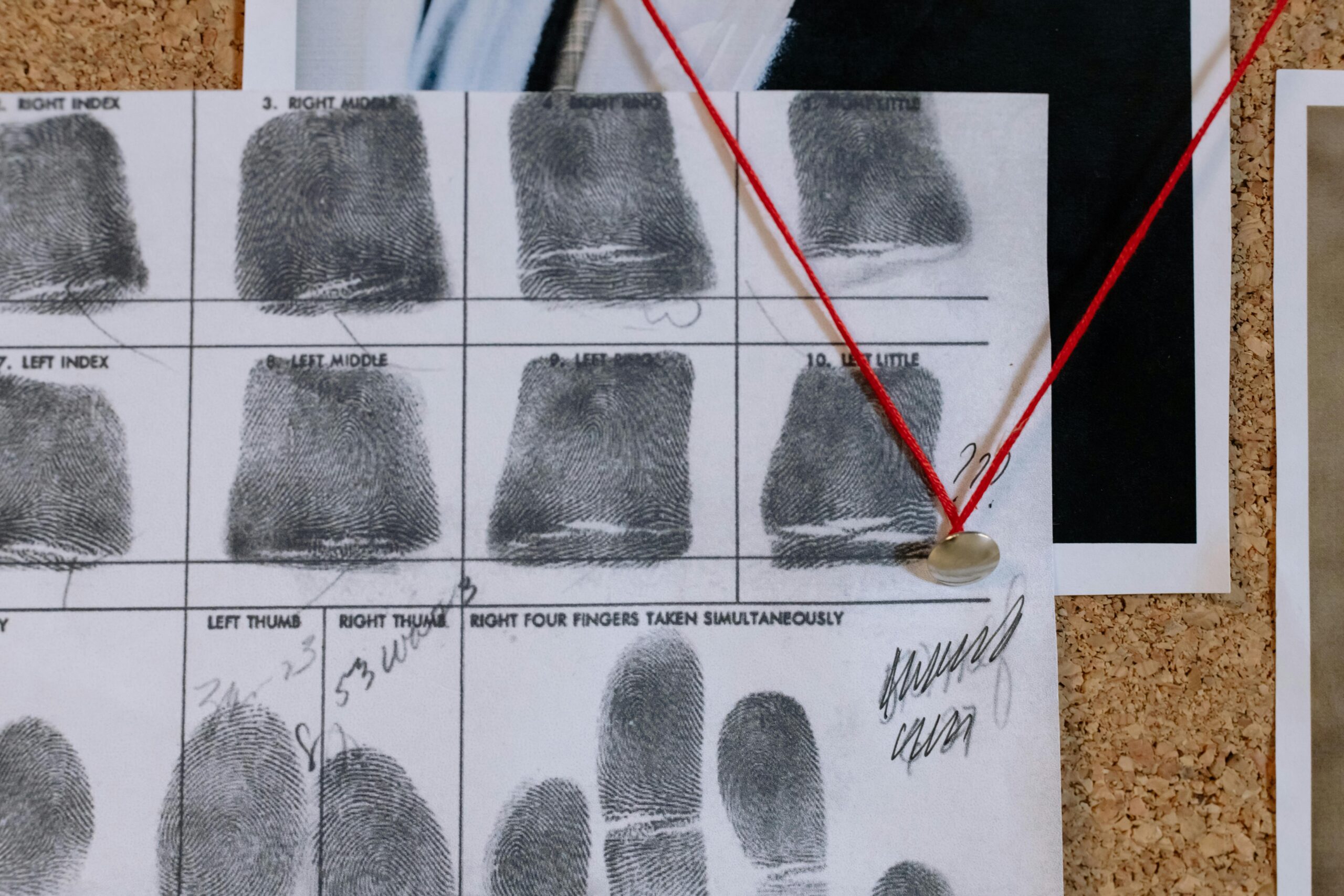
DNA evidence has revolutionized criminal justice, yet its complexity often creates communication barriers between scientists, lawyers, and juries in modern courtrooms.

🧬 The DNA Revolution in Criminal Justice
Since its first use in a criminal case in 1986, DNA evidence has become one of the most powerful tools in forensic science. What began as a groundbreaking technique in a small English village has now become standard practice in courtrooms worldwide. However, the scientific sophistication that makes DNA evidence so reliable also makes it challenging to communicate effectively to judges, juries, and the general public.
The challenge lies not in the validity of the science itself, but in bridging the gap between complex molecular biology and legal decision-making. When a forensic scientist testifies about allele frequencies, polymerase chain reactions, and statistical probabilities, jurors without scientific backgrounds can feel overwhelmed. This communication gap can lead to misunderstandings, misinterpretations, and potentially unjust outcomes.
Understanding the Basics: What DNA Evidence Actually Tells Us
DNA, or deoxyribonucleic acid, is the genetic blueprint present in nearly every cell of the human body. Forensic DNA analysis doesn’t examine entire genomes but focuses on specific regions called Short Tandem Repeats (STRs). These are areas where DNA sequences repeat in patterns that vary significantly between individuals, making them ideal for identification purposes.
When forensic scientists analyze a DNA sample, they’re essentially creating a genetic profile—a unique numerical pattern that can be compared against other samples. The power of DNA evidence comes from the astronomical odds that two unrelated individuals would share the same profile at multiple genetic markers.
The Collection and Analysis Process
DNA evidence begins at the crime scene, where biological material such as blood, saliva, hair, skin cells, or other tissues may be collected. Crime scene investigators must follow strict protocols to prevent contamination and preserve the integrity of samples. Even microscopic amounts of DNA can now be analyzed thanks to amplification techniques.
Once collected, samples undergo laboratory analysis through several stages:
- Extraction: DNA is separated from other cellular material
- Quantification: Scientists determine how much DNA is present
- Amplification: The DNA is copied millions of times using PCR (Polymerase Chain Reaction)
- Separation and Detection: DNA fragments are sorted and visualized
- Analysis and Interpretation: Results are compared and statistical calculations performed
📊 The Numbers Game: Understanding Statistical Evidence
One of the most misunderstood aspects of DNA evidence involves the statistics presented in court. When an expert testifies that there’s a “one in a trillion” chance of a random match, what does that really mean? This is where clear communication becomes absolutely critical.
The Random Match Probability (RMP) represents the likelihood that a randomly selected person from the population would have the same DNA profile as the evidence sample. However, this statistic doesn’t directly tell us the probability that the defendant is guilty or innocent—a distinction that’s often lost in translation.
The Prosecutor’s Fallacy and Other Misinterpretations
The “prosecutor’s fallacy” occurs when someone incorrectly assumes that a one-in-a-million match probability means there’s a one-in-a-million chance the defendant is innocent. This logical error has led to wrongful convictions and remains a persistent problem in courtrooms.
Another common misunderstanding involves partial or mixed DNA profiles. When multiple individuals’ DNA is present in a sample, or when DNA has degraded, interpretation becomes more complex. These scenarios require careful explanation to ensure juries understand both the strengths and limitations of the evidence.
🎯 Strategies for Clear Courtroom Communication
Effective communication of DNA evidence requires a multi-faceted approach that considers the audience’s knowledge level, uses appropriate analogies, and avoids unnecessarily technical jargon.
Visual Aids and Demonstrative Evidence
Complex scientific concepts become more accessible through visual representation. Electropherograms—the graphs showing DNA profiles—can be simplified and annotated to highlight key comparisons. Animations demonstrating how DNA analysis works can help jurors visualize processes they’ll never see in person.
Many forensic laboratories now create presentation materials specifically designed for courtroom use, translating technical reports into formats that non-scientists can understand while maintaining scientific accuracy.
The Power of Analogy
Skilled expert witnesses use analogies to explain DNA concepts. Comparing DNA profiles to barcodes, describing STR markers as genetic “zip codes,” or likening DNA databases to fingerprint files helps create mental frameworks for understanding.
However, analogies must be carefully crafted to illuminate rather than oversimplify. The goal is to make concepts accessible without distorting their scientific meaning or misleading the jury about the evidence’s limitations.
Common Challenges in DNA Evidence Presentation
Despite advances in forensic science and courtroom practices, several persistent challenges complicate the clear communication of DNA evidence.
Touch DNA and Low-Level Profiles
Modern DNA analysis techniques are so sensitive they can detect profiles from mere skin cells left by touching an object. While this sensitivity has solved many cases, it also raises interpretative challenges. Touch DNA doesn’t necessarily indicate direct involvement in a crime—innocent explanations for DNA presence become more plausible with such sensitive techniques.
Explaining these nuances requires expert witnesses to discuss concepts like DNA transfer, persistence, and prevalence. Juries must understand that finding someone’s DNA at a scene is just one piece of evidence that must be evaluated within the broader case context.
Database Searches and Cold Hits
When DNA from a crime scene is searched against databases containing millions of profiles, different statistical considerations apply. The likelihood of adventitious matches increases with database size, a concept that challenges intuitive understanding of probability.
Clear communication about database searches requires explaining the difference between finding a match after testing a specific suspect versus identifying a suspect through a database search—scenarios with different statistical implications.
🔍 The Role of Defense Experts and Cross-Examination
Effective communication of DNA evidence isn’t solely the prosecution’s responsibility. Defense attorneys and their expert witnesses play crucial roles in ensuring juries understand limitations, alternative interpretations, and potential sources of error.
Cross-examination serves as a critical check on oversimplified or misleading testimony. Defense experts may need to explain concepts like allelic dropout, stochastic effects, and interpretation thresholds—technical issues that can significantly impact evidence reliability.
Quality Control and Laboratory Standards
Juries must understand that DNA analysis, while scientifically sound, depends on proper laboratory practices. Issues like contamination, analytical thresholds, and interpretation protocols all affect evidence reliability. Communicating these quality assurance measures helps juries evaluate the trustworthiness of specific DNA evidence rather than simply deferring to “science.”
📚 Educational Initiatives and Jury Comprehension
Recognizing the challenges juries face with complex scientific evidence, many jurisdictions have implemented educational initiatives to improve comprehension. Some courts provide written instructions explaining basic DNA concepts. Others allow jurors to take notes or review demonstrative exhibits during deliberations.
Pre-trial jury instructions about scientific evidence can establish foundational knowledge before testimony begins. Some experts advocate for court-appointed neutral experts who can explain scientific concepts without the adversarial context that may bias testimony.
The Judge’s Gatekeeping Role
Judges serve as gatekeepers for scientific evidence, determining whether testimony meets reliability standards and whether its probative value outweighs potential prejudice. This role includes ensuring that expert testimony is presented in ways juries can understand without being misled by inappropriate certainty or oversimplification.
Effective judicial management of DNA evidence includes pre-trial hearings to resolve methodological disputes, clear instructions to juries about how to evaluate scientific testimony, and intervention when testimony becomes unnecessarily technical or potentially misleading.
🌐 The Future of DNA Evidence Communication
Advances in technology continue to expand DNA analysis capabilities while also creating new communication challenges. Next-generation sequencing, phenotypic prediction from DNA, and genealogical database searching represent emerging frontiers that will require clear explanation in courtrooms.
Artificial intelligence and machine learning are beginning to play roles in DNA profile interpretation, particularly for complex mixtures. Explaining algorithmic decision-making to juries presents novel challenges that will require innovative communication approaches.
Building Scientific Literacy
Long-term improvement in communicating DNA evidence may require broader scientific literacy initiatives. Educational programs that introduce forensic science concepts before citizens enter jury pools could create more informed audiences for courtroom testimony.
Professional training for attorneys, judges, and expert witnesses in science communication techniques also remains essential. Legal professionals need not become scientists, but they must understand enough to ask appropriate questions and recognize misleading testimony.
Best Practices for All Courtroom Participants
Clear communication of DNA evidence requires commitment from everyone involved in the legal process. Expert witnesses should prioritize clarity over impressive jargon, using plain language without sacrificing accuracy. Attorneys must prepare thoroughly to understand the science well enough to guide testimony effectively.
Judges should actively manage testimony to ensure accessibility while maintaining appropriate standards for scientific reliability. And juries must be given the tools, time, and support needed to grapple with complex evidence thoughtfully.
| Participant | Key Communication Responsibilities |
|---|---|
| Expert Witnesses | Use plain language, provide context, explain limitations, employ effective visual aids |
| Attorneys | Ask clear questions, avoid leading to misunderstandings, highlight both strengths and weaknesses |
| Judges | Gatekeeping for reliability, managing testimony clarity, providing helpful jury instructions |
| Juries | Active listening, asking questions when allowed, careful deliberation considering limitations |
⚖️ Balancing Scientific Precision and Legal Standards
The courtroom operates under different standards than the scientific laboratory. Science seeks provisional truths subject to revision with new evidence, while legal proceedings require definitive decisions about guilt or innocence. This fundamental tension affects how DNA evidence can and should be communicated.
Scientists naturally hesitate to claim absolute certainty, while legal audiences sometimes interpret such hedging as weakness in the evidence. Finding language that honestly conveys scientific confidence levels while remaining meaningful in legal contexts remains an ongoing challenge.

Moving Forward: Creating a Culture of Clear Communication
Demystifying DNA evidence in the courtroom ultimately requires cultural change within both the scientific and legal communities. Forensic scientists must prioritize communication skills alongside technical expertise. Legal professionals must commit to truly understanding the science rather than treating it as a black box that produces results to be deployed tactically.
Collaborative efforts between scientific and legal communities—including continuing education programs, interdisciplinary conferences, and joint publications—can bridge cultural divides and establish shared understanding. When scientists and lawyers speak a common language about DNA evidence, clear communication with juries becomes far more achievable.
The stakes couldn’t be higher. DNA evidence has extraordinary power to convict the guilty and exonerate the innocent, but only when properly understood. By committing to clear, accurate communication that respects both scientific rigor and the need for accessibility, we can ensure that this powerful tool serves justice rather than obscuring it. The mystery of DNA evidence in the courtroom can be unlocked through dedication to transparency, education, and the recognition that effective communication is not a peripheral concern but central to the fair administration of justice.