Plant-based evidence plays a crucial role in criminal investigations, environmental studies, and archaeological research, demanding meticulous analysis and error-free methodologies to ensure justice and scientific accuracy.

🌿 The Critical Role of Botanical Evidence in Modern Forensics
Botanical evidence has emerged as a powerful tool in forensic science, providing investigators with crucial information that can connect suspects to crime scenes, establish timelines, and even exonerate the innocent. From pollen grains smaller than a pinpoint to entire plant fragments, these biological traces carry information that, when properly analyzed, can make or break a case.
The field of forensic botany encompasses various plant materials including seeds, leaves, wood, pollen, and spores. Each type of evidence requires specialized knowledge and careful handling to preserve its integrity. The complexity of plant identification, combined with the potential for contamination and misinterpretation, makes accuracy in botanical analysis not just important but absolutely essential.
Modern crime laboratories increasingly rely on botanical experts to examine plant-based evidence, recognizing that these natural materials can survive environmental conditions that might destroy other types of evidence. However, this reliance comes with a responsibility to maintain the highest standards of analysis and minimize potential errors that could compromise investigations.
Common Sources of Error in Plant Evidence Analysis
Understanding where mistakes occur is the first step toward preventing them. Botanical evidence analysis faces several unique challenges that can compromise accuracy if not properly addressed.
Contamination During Collection and Storage
Cross-contamination represents one of the most significant threats to botanical evidence integrity. When plant materials from different sources mix, or when modern plant matter contaminates historical samples, the resulting confusion can lead to incorrect conclusions. Collection tools, storage containers, and even the clothing of investigators can introduce foreign plant material.
Environmental factors during storage also pose risks. Moisture can promote fungal growth that obscures identifying features, while excessive heat can cause degradation of cellular structures. Temperature fluctuations, improper packaging, and exposure to light can all alter plant material in ways that make accurate identification difficult or impossible.
Misidentification and Taxonomic Challenges
Plant identification requires extensive botanical knowledge and experience. Many plant species share similar characteristics, and fragmentary evidence makes positive identification even more challenging. Seasonal variations, juvenile specimens, and damaged materials can all contribute to misidentification.
The dynamic nature of plant taxonomy adds another layer of complexity. Species classifications change as new research emerges, and regional variations within species can confuse even experienced botanists. Without access to comprehensive reference collections and up-to-date taxonomic databases, analysts may assign incorrect identifications to evidence samples.
🔬 Essential Protocols for Accurate Botanical Analysis
Implementing rigorous protocols throughout the evidence handling process significantly reduces the likelihood of errors and ensures that botanical evidence maintains its evidentiary value from collection through court presentation.
Proper Collection Techniques
The evidence collection process sets the foundation for all subsequent analysis. Investigators must use clean, dedicated tools for each sample to prevent cross-contamination. Paper envelopes or breathable containers should be used instead of plastic bags, which can trap moisture and promote decomposition.
Documentation at the collection site must include photographs showing the evidence in situ, detailed notes about the surrounding vegetation, weather conditions, and soil characteristics. GPS coordinates, date, and time stamps provide essential context that may prove valuable during analysis and interpretation.
Chain of Custody Considerations
Maintaining an unbroken chain of custody is critical for botanical evidence admissibility in court. Every transfer of evidence must be documented with signatures, dates, and purposes noted. Storage facilities should maintain controlled environmental conditions with temperature and humidity monitoring.
Access to botanical evidence should be limited to authorized personnel only, with entry and exit logs maintained meticulously. Regular audits of stored evidence help identify potential problems before they compromise case integrity.
Advanced Analytical Techniques and Their Limitations
Modern technology has revolutionized botanical evidence analysis, offering tools that can identify plant materials with unprecedented precision. However, understanding the limitations of these techniques remains essential for accurate interpretation.
Microscopic Examination Methods
Light microscopy remains the cornerstone of botanical evidence analysis, allowing experts to examine cellular structures, pollen morphology, and tissue organization. Scanning electron microscopy provides even greater resolution for examining surface features and fine structural details that aid in species identification.
However, microscopic techniques require proper sample preparation, and preparation artifacts can sometimes be mistaken for natural features. Analysts must possess extensive experience to distinguish between genuine identifying characteristics and artifacts introduced during processing.
DNA Analysis and Molecular Techniques
DNA barcoding and other molecular techniques offer powerful tools for plant identification, particularly when morphological features are insufficient for positive identification. These methods can identify plant species from highly degraded or fragmentary samples that would be impossible to identify visually.
Despite their power, molecular techniques have limitations. Contamination with foreign DNA can produce false results, and incomplete reference databases may fail to provide matches for rare or understudied species. Additionally, the cost and time requirements of DNA analysis may not be practical for every case.
🎯 Quality Assurance and Validation Strategies
Implementing comprehensive quality assurance programs helps ensure that botanical evidence analysis meets the highest standards of accuracy and reliability.
Blind Testing and Proficiency Verification
Regular proficiency testing challenges analysts with unknown samples to verify their identification skills and analytical capabilities. These tests should include samples of varying difficulty, from straightforward identifications to challenging specimens that require advanced techniques.
Blind testing within the laboratory can identify systematic errors or biases that might affect case work. Results from proficiency tests should be analyzed not just for accuracy but also to identify areas where additional training or resources might improve performance.
Peer Review and Collaborative Verification
Complex or high-stakes cases benefit from peer review by independent botanical experts. This collaborative approach helps catch potential errors and provides multiple perspectives on challenging identifications. Establishing relationships with botanical institutions, herbaria, and universities expands the network of experts available for consultation.
Documentation of the review process, including any disagreements and their resolution, strengthens the credibility of botanical evidence and demonstrates the thoroughness of the analytical process.
Training and Certification Requirements
The specialized nature of botanical evidence analysis demands comprehensive training and ongoing professional development for forensic botanists and crime scene investigators who handle plant-based evidence.
Educational Foundation and Specialized Knowledge
Forensic botanists typically require advanced degrees in botany, plant biology, or related fields, combined with specialized training in forensic applications. This education must cover plant taxonomy, ecology, anatomy, genetics, and geographic distribution patterns.
Practical experience working with plant specimens, building reference collections, and conducting field surveys provides the hands-on knowledge essential for accurate evidence analysis. Internships or mentorship programs under experienced forensic botanists help develop the judgment and expertise necessary for casework.
Continuing Education and Skills Maintenance
The field of botany continues to evolve with new species descriptions, taxonomic revisions, and analytical techniques. Forensic botanists must engage in continuing education through professional conferences, workshops, and specialized courses.
Maintaining proficiency requires regular practice with specimen identification, staying current with scientific literature, and participating in professional organizations dedicated to forensic botany. Regular refresher training on evidence handling protocols and courtroom testimony also helps maintain skills at peak levels.
📊 Documentation and Reporting Best Practices
Thorough documentation and clear reporting transform botanical analysis results into actionable intelligence for investigators and comprehensible testimony for legal proceedings.
Comprehensive Record Keeping
Every step of the analytical process must be documented in sufficient detail that another qualified botanist could review the work and reach the same conclusions. This includes photographs at various magnifications, detailed descriptions of observed features, notes on analytical methods employed, and references consulted during identification.
Digital record systems should include metadata tagging for easy retrieval and cross-referencing. Backup systems protect against data loss, and version control ensures that the most current information is always available while maintaining an audit trail of any changes or updates.
Clear Communication of Findings
Reports must communicate botanical findings in language accessible to non-specialists while maintaining scientific accuracy. Avoiding jargon when possible, providing clear definitions for technical terms, and using visual aids help investigators and legal professionals understand the significance of botanical evidence.
Conclusions should clearly state the level of certainty associated with identifications, acknowledging limitations and alternative interpretations when appropriate. This transparency strengthens credibility and helps prevent misuse or overstatement of botanical evidence.
🌍 Environmental and Contextual Considerations
Botanical evidence interpretation requires understanding the ecological context in which plant materials are found, as environmental factors significantly influence the presence and distribution of plant species.
Seasonal Variation and Temporal Factors
Plant phenology—the timing of life cycle events like flowering and seed production—affects which plant materials might be present at a given time. Understanding these patterns helps establish timelines and assess whether evidence is consistent with claimed events.
Pollen calendars documenting when different species release pollen in specific geographic regions provide valuable tools for interpreting pollen evidence. However, climate change and unusual weather patterns can shift these traditional patterns, requiring careful consideration of contemporary conditions.
Geographic Distribution and Provenance
Plant distribution patterns can link evidence to specific geographic regions, sometimes narrowing location possibilities to remarkably small areas. Endemic species found only in limited regions provide particularly strong geographic indicators.
However, human cultivation and landscaping complicate these patterns, as exotic species may be grown far from their natural ranges. Distinguishing between native and introduced populations requires knowledge of horticulture, agricultural practices, and invasion biology.
Emerging Technologies and Future Directions
Advances in technology continue to enhance botanical evidence analysis capabilities while introducing new considerations for maintaining accuracy and preventing errors.
Machine Learning and Automated Identification
Artificial intelligence and machine learning algorithms show promise for automating certain aspects of plant identification, potentially reducing human error in routine analyses. Image recognition systems can compare unknown specimens against vast databases of plant images, suggesting possible matches for analyst verification.
However, these systems currently lack the nuanced judgment of experienced botanists and may struggle with unusual specimens or degraded materials. They function best as screening tools or decision support systems rather than replacements for expert analysis.
Portable Analysis Technologies
Field-deployable analytical instruments enable preliminary identification of plant materials at crime scenes or remote locations. Portable DNA sequencers, handheld microscopes, and spectroscopic analyzers can provide immediate information to guide investigation strategies.
While these tools offer exciting possibilities, maintaining accuracy requires proper calibration, operator training, and understanding of the limitations of field-based analysis. Results from portable instruments should typically be confirmed by laboratory analysis for evidentiary purposes.
🔐 Legal and Ethical Considerations
Botanical evidence analysts bear ethical responsibilities to maintain objectivity, acknowledge limitations, and present findings honestly regardless of which party in legal proceedings might benefit.
Testimony Standards and Expert Witness Requirements
Courtroom testimony requires explaining botanical evidence and analytical methods to judges and juries without specialized scientific knowledge. Experts must present information clearly and truthfully while avoiding advocacy for either prosecution or defense.
Understanding legal standards for scientific evidence admissibility, such as the Daubert criteria in the United States, helps ensure that botanical analysis meets required reliability and relevance thresholds. Experts should be prepared to explain error rates, quality control measures, and the general acceptance of their methods within the scientific community.
Confidentiality and Data Security
Case information and evidence details must be protected through appropriate security measures. Digital data should be encrypted, physical evidence secured in restricted-access facilities, and case discussions limited to authorized personnel.
Balancing the need for confidentiality with the scientific imperative for peer review and collaborative consultation requires careful protocols that protect case integrity while allowing necessary expert input.
Building Robust Reference Collections
Comprehensive reference collections form the foundation of accurate botanical identification, providing comparison materials essential for confirming species determinations.
Well-curated collections should include specimens from different seasons, growth stages, and geographic populations to capture natural variation within species. Digital imaging databases supplement physical specimens, allowing rapid comparison and remote consultation.
Collaboration with botanical gardens, herbaria, and natural history museums expands access to reference materials beyond what individual laboratories can maintain. These partnerships also provide expert consultation opportunities for particularly challenging identifications.
Regular collection maintenance, including pest management, environmental control, and specimen documentation updates, preserves the utility of reference materials for years or decades of service.
💡 Lessons from Notable Cases
Examining cases where botanical evidence played decisive roles—both successful prosecutions and instances where errors occurred—provides valuable learning opportunities for improving analytical practices.
The analysis of stomach contents revealing specific plant species has helped establish victims’ last locations and activities. Pollen evidence has placed suspects at crime scenes despite their denials. Wood fragment analysis has linked tools to specific criminal acts.
Conversely, cases where botanical evidence was misinterpreted or contaminated demonstrate the importance of rigorous protocols and careful analysis. These cautionary examples reinforce the need for continuous quality improvement and humble recognition of the serious consequences when botanical evidence analysis goes wrong.
Learning from both successes and failures strengthens the field of forensic botany and helps ensure that plant-based evidence serves justice effectively.
Collaborative Approaches to Complex Cases
The most challenging botanical evidence cases often benefit from interdisciplinary collaboration bringing together diverse expertise to address complex questions.
Partnerships between botanists, palynologists, wood anatomists, geneticists, and ecologists provide comprehensive analytical capabilities exceeding what any single expert can offer. Including forensic entomologists, soil scientists, and climatologists further enhances interpretive possibilities.
Case conferences allowing experts to share observations and insights often reveal connections and interpretations that isolated analysis might miss. These collaborative approaches produce more robust conclusions while distributing the responsibility for difficult determinations across multiple qualified experts.
Establishing professional networks and maintaining relationships with specialists in various botanical subdisciplines ensures that appropriate expertise can be accessed when needed for unusual or particularly significant cases.
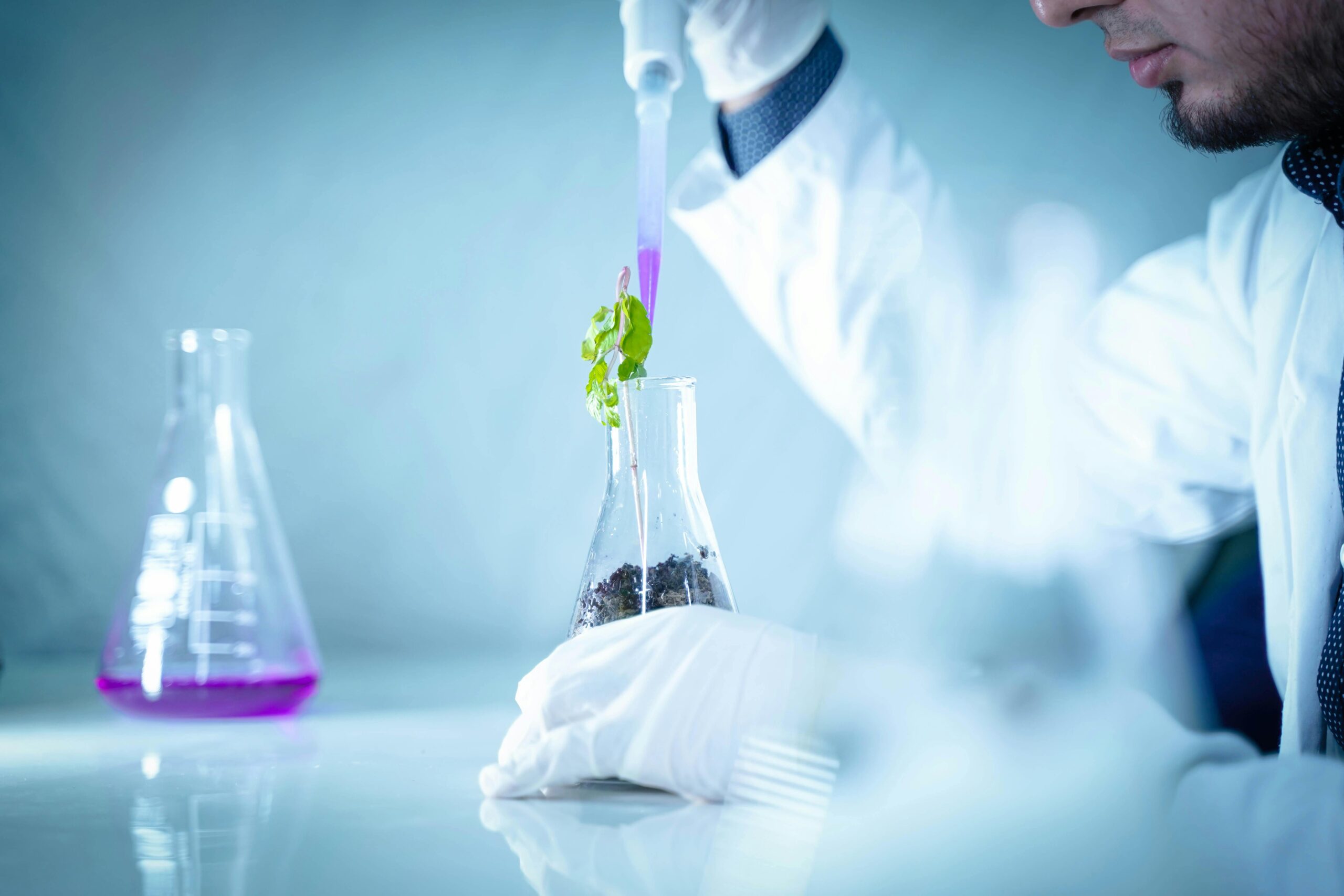
Ensuring Justice Through Botanical Precision
The accuracy of botanical evidence analysis directly impacts justice outcomes, making error prevention not just a scientific concern but a moral imperative. Wrongful convictions based on misinterpreted evidence devastate innocent lives, while failures to properly analyze botanical evidence may allow guilty parties to escape accountability.
By implementing rigorous protocols, maintaining comprehensive training, utilizing appropriate technology, and fostering collaborative verification, the forensic botany community continues strengthening the reliability of plant-based evidence. These efforts ensure that botanical evidence serves its intended purpose: revealing truth and supporting justice through the careful scientific study of the plant world’s silent witnesses to human events.
As analytical capabilities advance and understanding deepens, the potential for botanical evidence to contribute meaningfully to investigations will only grow. Meeting this potential requires unwavering commitment to accuracy, ongoing professional development, and recognition that every botanical analysis carries significant responsibility for those affected by investigation outcomes.