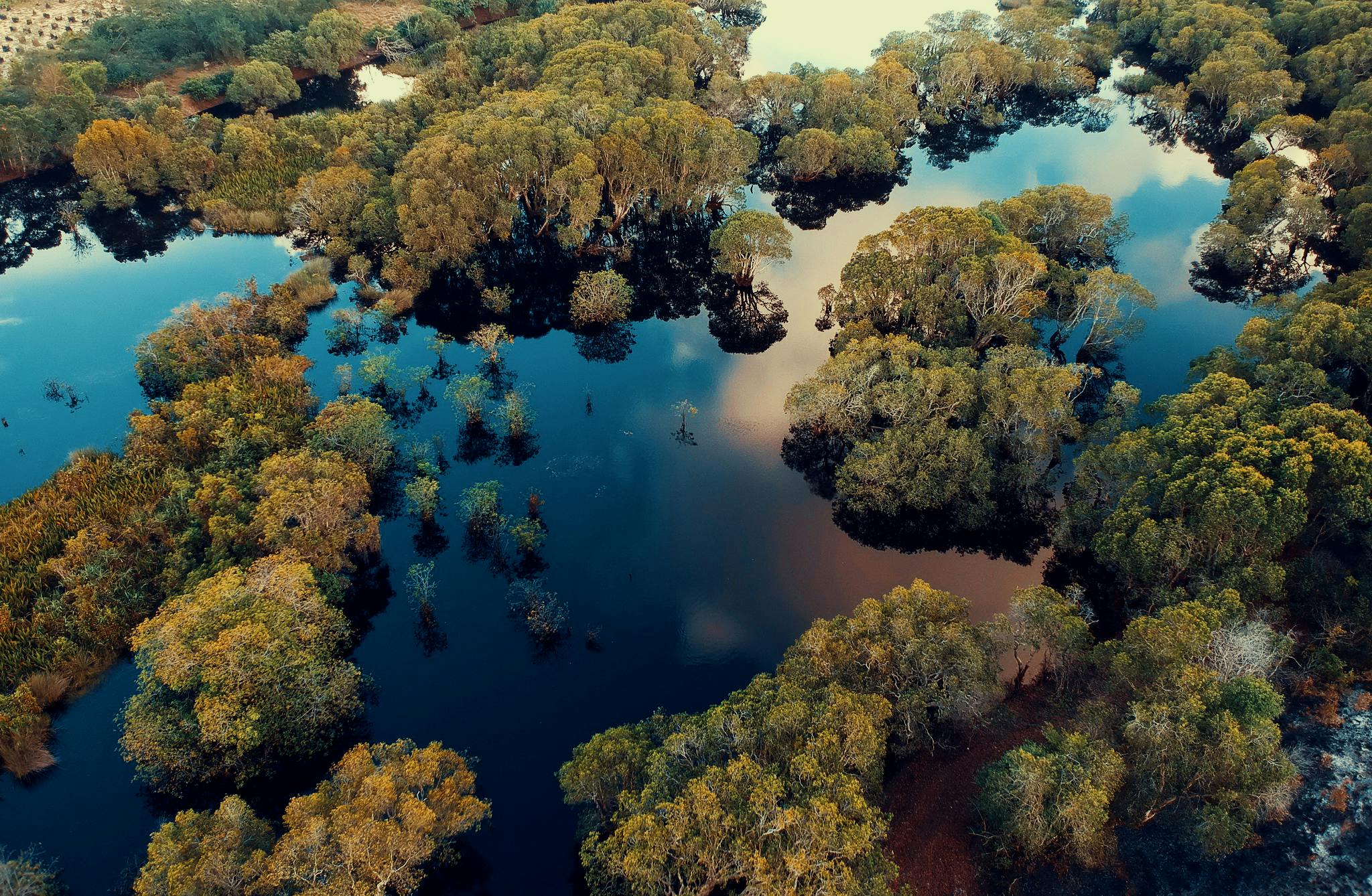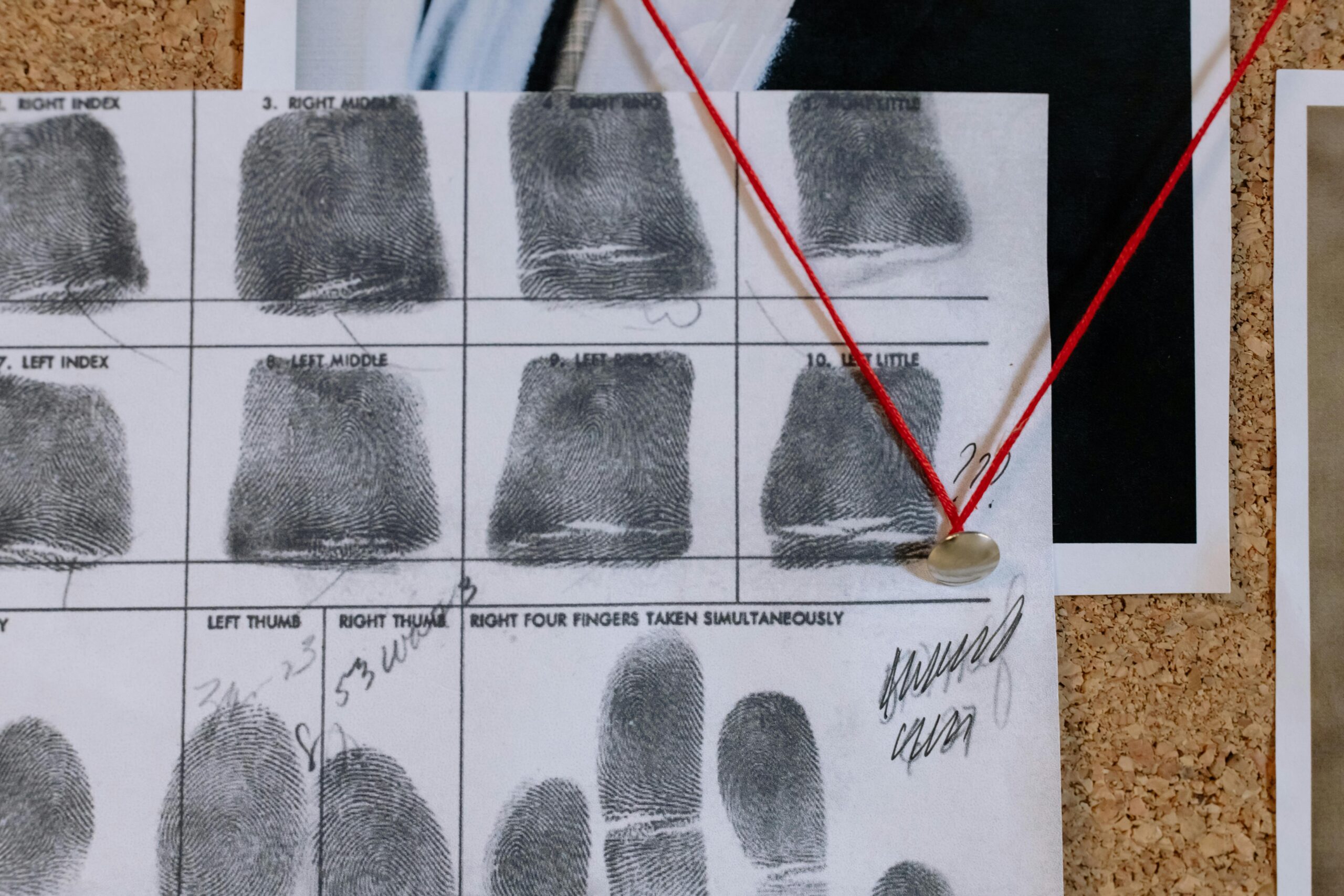
Plants hold silent witness to crimes, preserving secrets in pollen grains, seeds, and leaves that can unlock mysteries investigators struggle to solve.

Forensic botany stands at the fascinating intersection of plant science and criminal justice, offering investigators a powerful tool that often goes unnoticed by perpetrators. While DNA evidence and fingerprints dominate popular crime dramas, botanical evidence has quietly revolutionized countless investigations, providing crucial links between suspects, victims, and crime scenes that traditional forensic methods might miss.
🌿 The Hidden World of Forensic Botany
Forensic botany represents a specialized field where botanical knowledge meets criminal investigation. This scientific discipline examines plant materials—from microscopic pollen to large tree fragments—to establish connections, verify alibis, or determine time and location of criminal activities. Unlike human evidence that can be deliberately destroyed or contaminated, botanical evidence often persists unnoticed, transferred innocently through clothing, shoes, or vehicles.
The applications of forensic botany extend far beyond what most people imagine. Investigators employ botanical evidence in murder cases, environmental crimes, wildlife trafficking, and even terrorism investigations. The field encompasses several sub-disciplines, including palynology (pollen analysis), dendrochronology (tree ring dating), and plant DNA analysis, each offering unique investigative advantages.
Pollen: Nature’s Microscopic Fingerprint 🔬
Pollen grains represent one of the most valuable forms of botanical evidence in forensic investigations. These tiny reproductive structures possess remarkable durability, unique morphology, and widespread distribution, making them ideal forensic markers. Each plant species produces distinctively shaped pollen, creating a microscopic fingerprint that skilled analysts can identify even centuries after deposition.
The forensic value of pollen lies in its persistence and transferability. Pollen adheres to clothing, skin, hair, and objects with remarkable tenacity, traveling with suspects and victims without their awareness. A single garment can harbor pollen from dozens of plant species, creating a geographical and temporal signature that investigators can decode to reconstruct movements and timelines.
How Palynology Solves Cases
Forensic palynologists examine pollen assemblages—the collection of different pollen types present in a sample—to determine where someone or something has been. Different geographical regions possess characteristic plant communities that produce distinctive pollen signatures. By comparing pollen from a suspect’s possessions with pollen from a crime scene, investigators can establish connections or refute alibis.
One remarkable case demonstrating pollen’s power involved a murder where the victim’s body was discovered in a rural location. Pollen analysis of the suspect’s vehicle revealed a unique combination of plant species that only grew together in one specific area—precisely where the murder occurred, contradicting the suspect’s alibi and leading to conviction.
Seeds and Plant Fragments as Silent Witnesses 🌱
Beyond microscopic evidence, larger botanical materials like seeds, leaves, wood fragments, and plant fibers provide investigators with tangible connections between people, places, and events. These materials often lodge in shoe treads, vehicle undercarriages, or clothing seams, remaining undetected while carrying vital information about recent locations visited.
Seeds prove particularly valuable because many species possess distinctive morphological features that allow precise identification to genus or even species level. Some seeds remain viable for extended periods, while others show characteristic degradation patterns that help establish timelines. Burrs and sticky seeds that attach to clothing or fur can place suspects at specific locations during particular seasons when those plants release their seeds.
The Infamous Case of Seed Evidence
A kidnapping investigation demonstrated the power of seed evidence when two distinctive Palo Verde tree seed pods found in a suspect’s truck bed provided crucial evidence. The pods were traced back to a specific tree near the victim’s burial site through DNA analysis—the first case where plant DNA evidence helped secure a murder conviction in the United States.
Plant DNA: The New Frontier in Botanical Forensics 🧬
Advances in molecular biology have transformed forensic botany, enabling investigators to identify plant materials with unprecedented precision. Plant DNA analysis can distinguish between individual plants of the same species, determine geographical origins, and verify product authenticity—capabilities that have opened new investigative possibilities.
DNA barcoding, a technique that uses short genetic sequences to identify species, has become an invaluable tool in forensic botany. This method proves especially useful when dealing with processed plant materials where morphological features have been destroyed, such as in cases involving illegal timber trafficking or herbal product fraud.
The technique also applies to linking suspects to crime scenes through plant DNA transferred via contact. Scratches from thorny plants, contact with tree bark, or handling vegetation can leave plant DNA on clothing or skin, creating molecular evidence trails that investigators can follow.
Dendrochronology: Trees That Tell Time ⏰
Tree ring analysis, or dendrochronology, provides investigators with precise dating capabilities that few other forensic methods can match. Trees grow in predictable patterns, adding annual rings that reflect environmental conditions during each growing season. These patterns create unique chronological signatures that forensic dendrochronologists use to establish timelines and verify claims.
In forensic contexts, dendrochronology helps determine when trees were cut, when structures were built, or when objects were buried. If a body is discovered beneath a tree, examining the tree’s roots and growth patterns can reveal approximately when the burial occurred. Similarly, damage to tree rings can indicate when an impact occurred, helping reconstruct accident timelines or environmental crimes.
Applications in Environmental Crime Investigation
Illegal logging represents a massive global industry worth billions of dollars annually. Forensic dendrochronology helps combat this environmental crime by tracing timber origins and verifying legal harvesting claims. By comparing wood samples with reference databases, investigators can identify when and where trees were harvested, exposing illegal operations that devastate protected forests.
Botanical Evidence in Death Investigations 💀
Plants provide crucial information in death investigations, helping establish post-mortem intervals, determine whether bodies have been moved, and reconstruct final movements. The botanical materials present on or around remains tell stories about timing, location, and circumstances surrounding death.
Plant succession patterns at burial sites follow predictable sequences that forensic botanists use to estimate how long remains have been present. Certain plant species colonize disturbed soil first, followed by others in characteristic progressions. By identifying which successional stage exists at a site, experts can narrow down the time since burial or body deposition.
Seasonal Indicators and Timeline Establishment
Seasonal plant materials found with remains provide temporal clues that help establish death timelines. For example, specific flowers bloom only during particular weeks, certain seeds disperse in narrow time windows, and deciduous leaves appear and fall on predictable schedules. These natural calendars offer investigators time-of-death indicators that complement traditional forensic methods.
The stomach contents analysis also reveals botanical evidence. Identifying partially digested plant materials can indicate the victim’s last meal and approximate time since ingestion, contributing to timeline reconstruction and potentially identifying the location where the last meal occurred.
Wildlife Trafficking and Conservation Forensics 🦜
Botanical forensics plays a vital role in combating wildlife trafficking and protecting endangered species. Many trafficked animals consume specific plants, leaving botanical evidence in their digestive systems that reveals their geographical origins. This information helps authorities identify poaching locations and trafficking routes.
The illegal trade in endangered plants themselves represents another area where forensic botany proves essential. Orchids, cacti, cycads, and rare timber species command high prices in black markets. DNA analysis and chemical fingerprinting help verify species identity, determine geographical origins, and track specimens through supply chains, supporting enforcement of international conservation agreements.
Challenges and Limitations in Botanical Forensics 🚧
Despite its power, forensic botany faces several challenges that investigators must acknowledge. The field requires highly specialized expertise that remains relatively scarce worldwide. Few forensic laboratories maintain full-time botanical experts, and training qualified practitioners takes years of dedicated study in both botany and forensic science.
Sample collection and preservation require careful attention to prevent contamination or degradation. Unlike inert physical evidence, botanical materials continue biological processes after collection, potentially altering their characteristics. Proper documentation, storage conditions, and handling protocols are essential to maintain evidentiary value.
Interpretational Complexities
Botanical evidence interpretation often involves probability rather than certainty. While pollen assemblages might indicate presence in a particular area, they rarely point to exact locations. Wind dispersal, secondary transfer, and widespread distribution of common species can complicate interpretations and require careful statistical analysis.
Furthermore, seasonal variations, climate change impacts, and human landscape modifications constantly alter plant distributions and phenologies. Forensic botanists must maintain current knowledge of regional floras and ecological dynamics to provide accurate interpretations.
The Collection and Analysis Process 🔍
Proper collection of botanical evidence requires systematic approaches that prevent contamination while maximizing information recovery. Crime scene investigators must recognize potential botanical evidence, which often appears insignificant to untrained observers. Training programs increasingly incorporate botanical evidence recognition to improve collection rates.
Sample collection typically involves several techniques:
- Tape lifting for pollen and small plant fragments from clothing and surfaces
- Vacuum collection of materials from vehicles and enclosed spaces
- Direct sampling of soil, vegetation, and water from relevant locations
- Photography and documentation of in-situ botanical materials before collection
- Control samples from known locations for comparison purposes
Laboratory analysis begins with sample preparation, often involving chemical treatments to isolate plant materials from soil matrices or other contaminants. Microscopic examination identifies morphological features, while molecular techniques extract and amplify DNA for genetic analysis. Spectroscopy and chromatography may characterize chemical signatures of plant materials.
Future Directions: Technology Meets Nature 🚀
Emerging technologies promise to enhance forensic botany’s capabilities significantly. Portable DNA sequencers now enable field identification of plant species, allowing rapid assessment of botanical evidence at crime scenes. Artificial intelligence and machine learning algorithms can analyze microscopic images, identifying pollen and plant fragments with increasing accuracy and speed.
Database development represents another crucial advancement. Comprehensive pollen reference collections, plant DNA libraries, and chemical signature databases expand investigators’ ability to identify unknown samples and determine geographical origins. International collaboration builds these resources, making botanical forensics more accessible globally.
Isotope analysis adds another dimension to botanical forensics. Stable isotope ratios in plant tissues reflect environmental conditions where plants grew, providing geographical fingerprints that complement DNA and morphological evidence. This technique proves particularly valuable in tracing plant product origins and verifying authenticity claims.
Training the Next Generation of Forensic Botanists 👩🔬
The growing recognition of botanical evidence’s value has sparked increased interest in forensic botany education and training. Universities worldwide now offer specialized courses and degree programs combining botany, ecology, and forensic science. These programs prepare students to recognize, collect, analyze, and interpret botanical evidence in legal contexts.
Professional organizations promote standardization of methods and certification of practitioners, ensuring quality and reliability of botanical forensic evidence. Workshops, conferences, and collaborative research projects facilitate knowledge exchange and methodological advancement within this specialized community.
The Unbreakable Link Between Crime and Nature 🌍
Botanical evidence demonstrates that nature observes human activities with impartial precision, recording movements and actions in microscopic detail. Plants neither lie nor forget, making them reliable witnesses whose testimony withstands cross-examination through scientific validation. As forensic techniques advance and awareness grows, botanical evidence will increasingly contribute to justice delivery worldwide.
The intersection of botany and forensic science reveals the profound interconnectedness between human activities and natural systems. Every step outdoors, every touch of vegetation, every breath of pollen-laden air creates potential evidence trails. For investigators, understanding these botanical connections opens new pathways to truth that traditional forensics might overlook.
The field continues evolving as technology advances and ecological knowledge deepens. What began as simple observation of plant materials at crime scenes has transformed into a sophisticated scientific discipline employing molecular biology, statistical analysis, and ecological modeling. Yet at its core, forensic botany remains grounded in careful observation, systematic documentation, and respect for the natural world’s complexity.
For anyone fascinated by the intersection of nature and justice, forensic botany offers compelling evidence that truth leaves traces everywhere—including in the quiet testimony of plants that witnessed crimes unfold. As investigators learn to read these botanical clues with greater skill, more cases find resolution through evidence that perpetrators never knew they left behind.