Identifying species from incomplete remains presents one of nature’s most intricate puzzles, requiring expertise, technology, and patience to piece together fragments of biological evidence. 🔬

The Ancient Art of Reading Nature’s Incomplete Stories
Throughout history, scientists have grappled with the challenge of determining which creature left behind a particular trace. Whether it’s a partial fossil buried in sedimentary rock, a few strands of hair caught on barbed wire, or decomposed tissue samples, fragmentary evidence demands sophisticated analytical approaches and deep biological knowledge.
The field of species identification from fragmentary traces spans multiple disciplines, including paleontology, forensic biology, ecology, and conservation science. Each fragment tells a story, but deciphering that narrative requires understanding morphology, genetics, ecology, and often the environmental context in which the trace was discovered.
When Evidence Comes in Pieces: Common Fragmentary Traces
Researchers encounter numerous types of incomplete biological evidence in their fieldwork. Each category presents unique identification challenges and requires specialized methodologies.
Skeletal Remains and Fossil Fragments 🦴
Partial skeletal material represents perhaps the most classical form of fragmentary evidence. A single tooth, vertebra, or bone fragment may be all that remains of an organism. Paleontologists have developed remarkable skills in extrapolating entire species characteristics from minimal fossil evidence, using comparative anatomy and understanding of evolutionary relationships.
The fragmentary nature of the fossil record means that many prehistoric species are known only from incomplete specimens. Some dinosaur species have been described from a single bone, though this practice has become increasingly controversial as scientific standards have evolved.
Hair, Feathers, and Dermal Structures
Hair samples collected from the environment present significant identification challenges. While microscopic examination of hair structure can narrow down possibilities, definitive species identification often requires additional genetic analysis. The medulla pattern, cuticle scale arrangement, and cross-sectional shape provide clues, but these characteristics sometimes overlap between related species.
Feathers offer slightly more distinctive features than hair, with variations in structure, pigmentation patterns, and microstructure that can aid identification. However, juvenile feathers may differ substantially from adult plumage, adding another layer of complexity.
Scat and Digestive Traces
Animal droppings and pellets contain valuable information but identifying the depositor from morphology alone can be unreliable. Size, shape, content, and location provide initial clues, but genetic analysis of epithelial cells shed during digestion has revolutionized scat-based species identification, enabling non-invasive wildlife monitoring.
The DNA Revolution: Molecular Solutions to Fragment Puzzles 🧬
Genetic analysis has transformed species identification from fragmentary evidence. Even degraded tissue samples can yield sufficient DNA for analysis, opening new possibilities for historical and forensic investigations.
DNA Barcoding Technology
DNA barcoding uses standardized gene regions to identify species from small tissue samples. The cytochrome c oxidase I (COI) gene serves as the primary barcode for animals, while plants utilize different markers. This approach has created vast reference databases allowing rapid species identification from minimal material.
The technology has proven invaluable in combating wildlife trafficking, verifying food product authenticity, and conducting biodiversity surveys. A tiny tissue fragment that would be impossible to identify morphologically can be definitively matched to species through barcode sequencing.
Ancient DNA Challenges
Extracting DNA from ancient or degraded samples presents substantial technical difficulties. DNA degrades over time, fragmenting into shorter sequences and experiencing chemical modifications that complicate analysis. Contamination from environmental microbes or handling can overwhelm authentic ancient DNA signals.
Despite these obstacles, researchers have successfully sequenced DNA from specimens thousands of years old, including extinct species like woolly mammoths and Neanderthals. These achievements require meticulous laboratory protocols and sophisticated computational analysis to distinguish authentic sequences from artifacts.
Morphological Detective Work: When Genetics Isn’t Available
Not all situations permit genetic analysis. Cost, sample condition, or field circumstances may necessitate identification through physical characteristics alone. Developing morphological expertise remains essential for species identification specialists.
Microscopic Structure Analysis
Many biological fragments reveal diagnostic features only under microscopic examination. Hair cuticle patterns, bone histology, and feather microstructure contain species-specific information invisible to the naked eye. Scanning electron microscopy can reveal surface details at extraordinary magnification, exposing distinguishing characteristics.
Scale patterns on hair shafts, for instance, vary systematically across mammal groups. While not always species-specific, these patterns can narrow possibilities considerably, especially when combined with other evidence.
Comparative Collections: The Foundation of Identification
Museum reference collections provide the comparative material essential for identifying fragmentary specimens. By examining known specimens alongside unknown fragments, experts can detect diagnostic similarities. These collections represent decades or centuries of accumulated knowledge, making them irreplaceable resources for identification work.
Digital databases are increasingly supplementing physical collections, allowing remote comparison and machine learning applications. High-resolution photography and 3D scanning enable virtual examination of reference material, democratizing access to comparative resources.
Forensic Applications: Species ID in Wildlife Crime 🔍
The illegal wildlife trade generates billions of dollars annually, threatening numerous species with extinction. Forensic species identification from fragmentary evidence plays a crucial role in prosecuting wildlife criminals and disrupting trafficking networks.
Confiscated materials often consist of processed products—carved ivory, traditional medicines, leather goods—where original biological features have been eliminated. Genetic analysis provides definitive species identification, establishing whether materials derive from protected species.
Courtroom Standards and Challenges
Forensic identifications must meet rigorous legal standards. Chain of custody documentation, validated methodologies, and expert testimony all contribute to admissible evidence. Laboratories performing wildlife forensics undergo accreditation processes ensuring their results withstand legal scrutiny.
Defense attorneys may challenge identification methods, particularly when dealing with morphologically similar species. This necessitates conservative identification practices and clear communication about certainty levels. A fragment identified as “consistent with” a particular species carries different weight than one “definitively identified” through genetic sequencing.
Environmental DNA: Finding Species Without Seeing Them
Organisms constantly shed DNA into their environment through skin cells, waste products, and decomposition. Environmental DNA (eDNA) analysis detects species presence from water, soil, or air samples, identifying creatures from their invisible molecular traces.
This revolutionary approach enables biodiversity assessments without capturing or even observing target organisms. A water sample from a stream can reveal which fish species inhabit that ecosystem. Soil samples disclose the invertebrate community composition. The fragmentary nature of eDNA—short degraded sequences mixed with genetic material from countless organisms—presents unique analytical challenges.
Separating Signal from Noise
Environmental samples contain DNA from bacteria, fungi, plants, animals, and everything else living or decomposing nearby. Sophisticated bioinformatic pipelines filter sequences, compare them against reference databases, and produce species lists. False positives from contamination or reference database errors remain concerns requiring careful quality control.
Despite limitations, eDNA has detected rare species missed by traditional surveys, identified invasive species at early colonization stages, and monitored ecosystem changes over time. The technology continues advancing, with improved protocols reducing contamination and expanded databases enhancing identification accuracy.
Machine Learning: Teaching Computers to Identify Fragments 💻
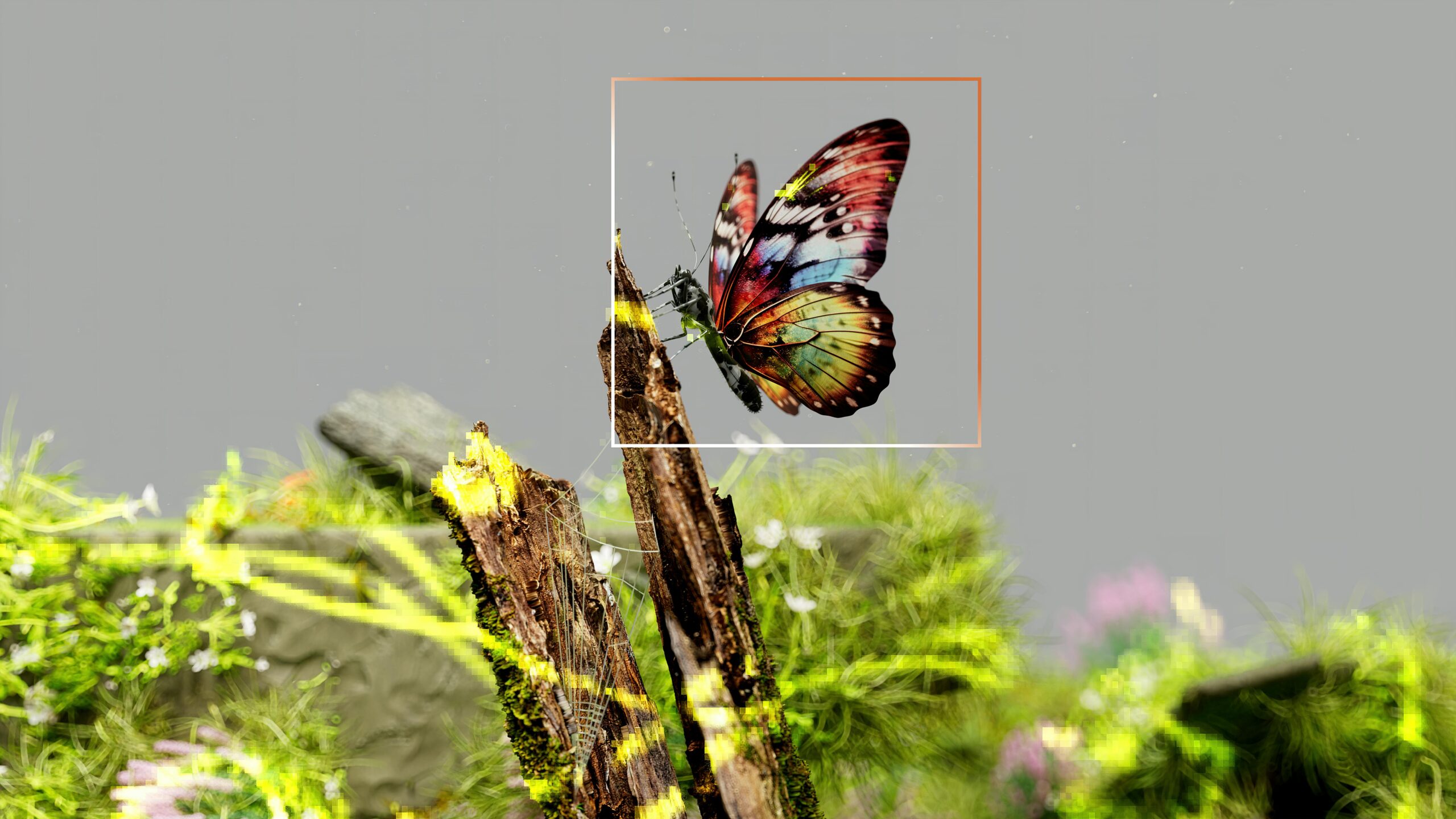
Artificial intelligence and machine learning algorithms are increasingly applied to species identification challenges. Neural networks trained on thousands of reference images can classify fragmentary specimens with remarkable accuracy, sometimes exceeding human expert performance.
Computer vision systems analyze shape, texture, color, and pattern to identify biological materials. These systems excel at consistent application of identification criteria, never experiencing fatigue or subjective bias. They can process thousands of images rapidly, enabling large-scale screening applications.
Training Data Requirements and Limitations
Machine learning systems require extensive training datasets representing the variation within and between species. Rare species with limited reference material pose challenges. Systems may struggle with novel variations not represented in training data, potentially misclassifying unusual specimens.
The most effective approaches combine machine learning with human expertise. Algorithms handle initial screening and straightforward identifications, flagging uncertain cases for expert review. This hybrid system maximizes efficiency while maintaining accuracy.
Isotopic Analysis: Chemical Fingerprints in Biological Fragments
Stable isotope ratios in biological tissues reflect diet, habitat, and geographic origin. While not directly identifying species, isotopic signatures provide supporting evidence that can distinguish between similar species with different ecologies or confirm specimen origin claims.
Carbon and nitrogen isotope ratios indicate trophic position and habitat use. Oxygen and hydrogen isotopes vary geographically, recording where organisms lived. These chemical signatures persist in hair, bone, teeth, and other tissues, providing information even when DNA has degraded beyond analysis.
The Convergence Challenge: When Different Species Look Alike
Convergent evolution produces similar morphologies in unrelated species adapted to comparable ecological niches. Fragmentary evidence from convergently evolved species can be nearly impossible to distinguish without genetic analysis.
Marine mammals provide classic examples. Dolphins, ichthyosaurs, and some sharks evolved similar body plans despite representing different vertebrate classes. A single vertebra or tooth from an incomplete specimen might be ambiguous without additional diagnostic features or molecular data.
Future Horizons: Emerging Technologies and Approaches 🚀
Technological advancement continues expanding capabilities for identifying species from fragmentary evidence. Portable DNA sequencers enable field-based genetic identification, eliminating delays inherent in laboratory processing. Improved imaging techniques reveal structural details previously invisible.
Proteomics—analyzing protein sequences rather than DNA—offers potential for specimens where genetic material has completely degraded. Proteins persist longer than DNA in some conditions, potentially extending identification capabilities to older or more degraded samples.
Crowdsourcing and citizen science initiatives are mobilizing public participation in identification efforts. Mobile applications allow users to photograph fragments and contribute observations, building massive datasets while engaging broader communities in biological discovery.
The Human Element: Expertise That Technology Cannot Replace
Despite technological sophistication, human expertise remains central to species identification from fragmentary evidence. Experienced specialists recognize subtle diagnostic features, understand species variation, and critically evaluate evidence quality. They provide context that purely technical approaches may miss.
Training the next generation of identification specialists requires mentorship, hands-on experience, and years of practice. As senior experts retire, ensuring knowledge transfer becomes critical for maintaining identification capabilities.
Piecing Together Biodiversity’s Puzzle
Identifying species from fragmentary traces represents far more than academic exercise. These capabilities underpin conservation efforts, support legal enforcement against wildlife crime, ensure food safety, and advance scientific understanding of past and present biodiversity.
As species face mounting extinction pressures, sometimes fragmentary evidence provides our only record of organisms that once existed. The scientific community’s ability to extract maximum information from minimal material becomes increasingly valuable, turning fragments into knowledge and traces into understanding.
The challenges are substantial—degraded samples, limited reference material, morphological ambiguity, and technical constraints. Yet continuing advances in genetics, imaging, computation, and analytical chemistry steadily expand what’s possible. Each methodological improvement enhances our ability to read nature’s incomplete stories, revealing biological diversity from the smallest traces organisms leave behind. 🌍