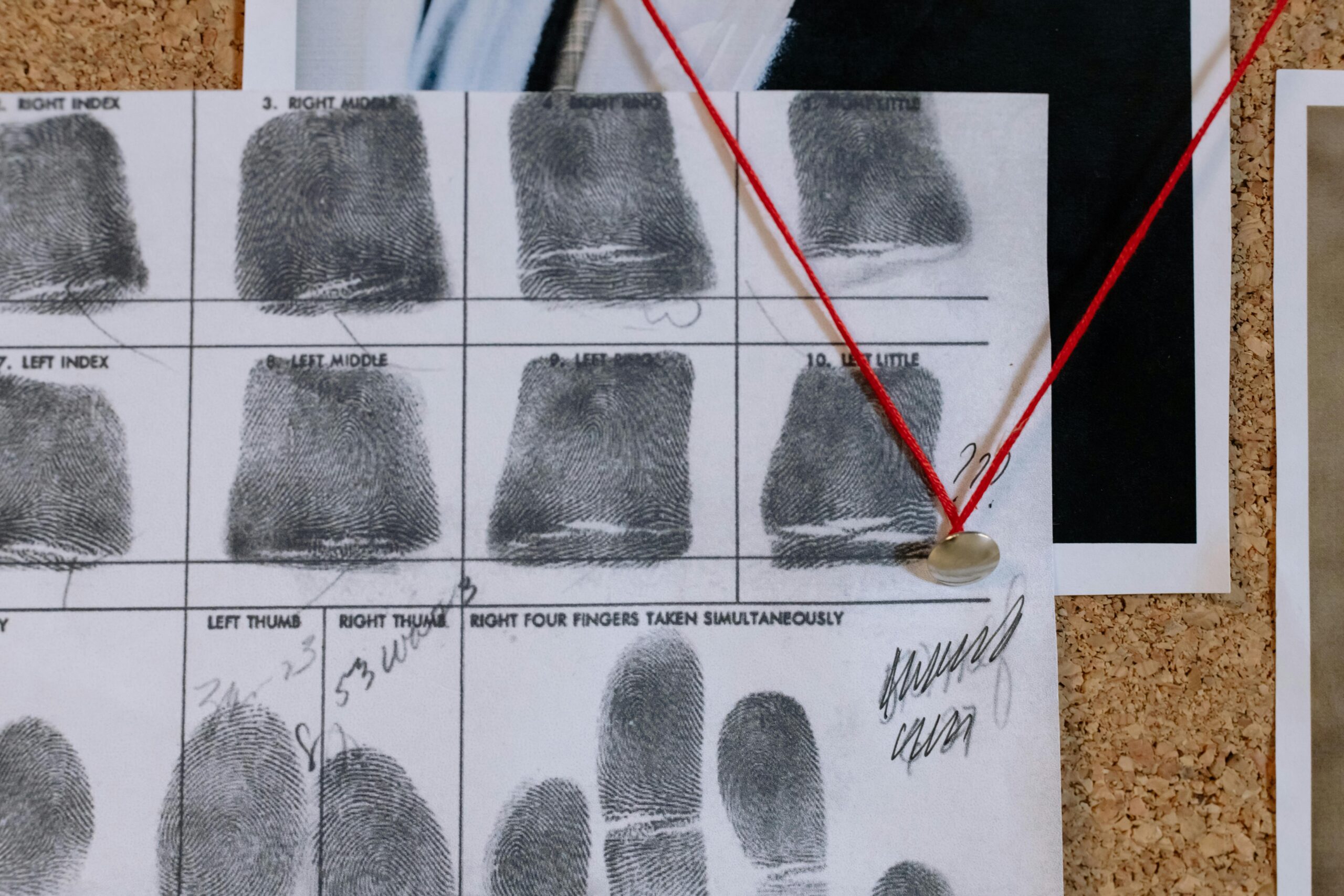
Botanical forensic science stands at a fascinating crossroads where nature’s evidence meets human justice, raising profound questions about privacy, ethics, and environmental stewardship.

🌿 The Emerging Frontier of Botanical Forensics
Botanical forensic investigations have revolutionized criminal justice by utilizing plant evidence to solve cases ranging from murder to environmental crimes. This specialized field examines pollen, seeds, wood, leaves, and other plant materials to establish connections between suspects, victims, and crime scenes. As this scientific discipline expands, it increasingly intersects with complex ethical considerations that challenge our understanding of privacy rights and environmental protection.
The power of botanical evidence lies in its ubiquity and persistence. Plants leave microscopic traces that can link individuals to specific locations with remarkable precision. A single grain of pollen, invisible to the naked eye, can place someone at a crime scene hundreds of miles away. However, this same capability raises uncomfortable questions about surveillance, consent, and the boundaries of investigative reach.
The Science Behind Plant-Based Evidence
Botanical forensic analysis encompasses multiple methodologies that extract information from plant materials. Palynology, the study of pollen and spores, serves as one of the most powerful tools in this arsenal. Each plant species produces distinctively shaped pollen grains that can survive for extended periods, creating a botanical fingerprint of specific locations and timeframes.
Wood identification techniques analyze cellular structures, growth rings, and chemical compositions to trace timber origins and combat illegal logging. Molecular analysis of plant DNA has become increasingly sophisticated, enabling investigators to identify individual plants or determine geographic origins with unprecedented accuracy. These scientific advances have made botanical evidence increasingly valuable in courtrooms worldwide.
From Crime Scenes to Courtrooms
Notable cases demonstrate the decisive role botanical evidence plays in criminal investigations. The examination of plant materials on clothing, vehicles, or bodies has helped solve murders, trafficking cases, and environmental crimes. Investigators have used tree rings to establish timelines, seed pods to connect suspects to remote locations, and algae patterns to determine water sources where bodies were discovered.
However, the collection and analysis of this evidence operates within legal frameworks that vary significantly across jurisdictions. What constitutes admissible botanical evidence in one country may face challenges in another, creating inconsistencies that complicate international investigations and prosecutions.
🔍 Privacy Concerns in the Microscopic Realm
The microscopic nature of botanical evidence creates unique privacy challenges. Unlike traditional surveillance that individuals might reasonably expect to encounter, plant materials attach themselves to people without awareness or consent. Every walk through a garden, hike in the woods, or simple presence near vegetation creates a botanical record that sophisticated forensic analysis can decode.
This passive collection of evidence raises questions about reasonable expectations of privacy. Should individuals assume that their movements can be tracked through invisible pollen grains adhering to their clothing? Does the inadvertent transfer of plant material constitute a form of biological surveillance that requires regulatory oversight?
The Doctrine of Abandoned Property
Legal systems generally treat materials naturally shed or transferred as abandoned property, removing them from privacy protections. This doctrine applies to botanical evidence—the pollen on your jacket, the seeds tracked into your car, or the plant fragments on your shoes are considered abandoned once separated from your person.
However, this framework was developed before the sophistication of modern botanical forensics. Critics argue that applying nineteenth-century legal concepts to twenty-first-century scientific capabilities creates unjust outcomes. The involuntary nature of plant material transfer differs fundamentally from consciously discarding items, yet both receive similar legal treatment.
Environmental Ethics and Ecosystem Disruption
Botanical forensic investigations can impact sensitive ecosystems and endangered species. Collecting plant samples from crime scenes might disturb protected habitats or remove specimens from vulnerable populations. Investigators must balance evidence collection needs against environmental conservation responsibilities.
Rare and endangered plants present particularly complex ethical dilemmas. When such species provide critical evidence, investigators face difficult choices between solving crimes and protecting biodiversity. Some jurisdictions have developed protocols requiring environmental impact assessments before sampling protected species, but these safeguards remain inconsistent globally.
🌍 Indigenous Knowledge and Cultural Sensitivity
Many indigenous communities maintain sacred relationships with specific plants and landscapes. Botanical forensic investigations that extract plant materials from culturally significant areas without consultation or consent can constitute profound violations of indigenous rights and spiritual practices.
Traditional ecological knowledge held by indigenous peoples often surpasses scientific understanding of local plant communities. Ethical investigations should incorporate indigenous perspectives and seek appropriate permissions when working in territories with indigenous significance. This collaborative approach respects cultural sovereignty while potentially enhancing investigative effectiveness.
Balancing Justice and Conservation
Effective botanical forensics requires establishing clear ethical guidelines that protect both human rights and environmental integrity. Several principles can guide this balance:
- Proportionality: Evidence collection methods should match the severity of suspected crimes, avoiding ecosystem disruption for minor offenses
- Minimal Impact: Investigators should employ least-invasive sampling techniques that preserve ecosystem function
- Documentation: Comprehensive records of collection locations, methods, and quantities ensure accountability and enable habitat monitoring
- Restoration: When possible, disturbed areas should be rehabilitated following evidence collection
- Consultation: Engaging botanists, ecologists, and indigenous knowledge holders improves both ethical practice and scientific rigor
🔬 Technological Advances and Ethical Evolution
Emerging technologies intensify existing ethical tensions while creating new considerations. Remote sensing capabilities can identify plant species and assess ecosystem health from satellite imagery, potentially enabling investigations without physical presence in sensitive areas. While this reduces direct environmental impact, it raises surveillance concerns about monitoring private properties and indigenous territories without consent.
Genetic databases of plant DNA profiles offer unprecedented investigative power but simultaneously create privacy risks. Comprehensive botanical genetic databases could theoretically track individual movements through accumulated plant DNA on personal belongings. The creation, maintenance, and access protocols for such databases require careful ethical oversight to prevent misuse.
Artificial Intelligence in Botanical Analysis
Machine learning algorithms increasingly analyze botanical evidence, identifying patterns and connections beyond human capability. AI-powered systems can process thousands of pollen samples simultaneously, cross-referencing them against vast databases to pinpoint geographic origins with remarkable precision.
However, algorithmic analysis introduces concerns about transparency, bias, and accountability. When automated systems make determinations about evidence significance, understanding their decision-making processes becomes crucial for ensuring justice. Black-box algorithms that cannot explain their conclusions may undermine due process rights in criminal proceedings.
International Frameworks and Regulatory Gaps
Botanical forensic investigations frequently cross international boundaries, particularly in environmental crime cases involving illegal timber trade, wildlife trafficking, or biopiracy. Yet regulatory frameworks governing these investigations remain fragmented and inconsistent across jurisdictions.
International conventions like CITES (Convention on International Trade in Endangered Species) provide some guidance for handling protected plant materials, but comprehensive protocols specific to forensic botanical evidence remain underdeveloped. This regulatory vacuum creates opportunities for ethical lapses and complicates international cooperation in investigations.
The Need for Global Standards
Developing international standards for botanical forensic investigations would enhance both ethical practice and investigative effectiveness. Such frameworks should address evidence collection protocols, chain of custody requirements, database governance, privacy protections, and environmental safeguards.
Professional organizations and international bodies have begun exploring these issues, but progress remains slow. The International Association of Forensic Sciences and various botanical societies are collaborating to establish best practices, though binding international agreements remain distant prospects.
💼 Professional Responsibility and Training
Forensic botanists bear significant responsibility for ethical practice in their field. Professional training programs increasingly incorporate ethics education alongside technical instruction, preparing practitioners to navigate complex moral terrain.
Certification programs and professional codes of conduct establish standards for botanical forensic work. These frameworks emphasize competency, integrity, objectivity, and respect for both human rights and environmental values. However, enforcement mechanisms remain limited, particularly in jurisdictions lacking established forensic botany professions.
Interdisciplinary Collaboration
Addressing ethical challenges in botanical forensics requires collaboration across multiple disciplines. Botanists, forensic scientists, lawyers, ethicists, ecologists, and indigenous representatives must work together to develop holistic approaches that honor diverse values and priorities.
This collaborative model recognizes that no single discipline possesses all necessary expertise for navigating complex ethical terrain. Legal professionals understand rights frameworks but may lack ecological knowledge. Botanists comprehend plant biology but may not grasp privacy implications. Only through genuine interdisciplinary dialogue can comprehensive ethical guidelines emerge.
🌱 Future Directions and Emerging Challenges
The future of botanical forensics will likely bring both technological advances and intensified ethical scrutiny. Synthetic biology, nanotechnology, and quantum computing may revolutionize evidence collection and analysis, creating new capabilities alongside novel ethical dilemmas.
Climate change adds another layer of complexity to botanical forensic investigations. As species distributions shift and ecosystems transform, historical baseline data becomes less reliable for identifying plant origins. Investigators must adapt methodologies while considering climate refugees’ rights and the ethics of using botanical evidence in climate-related disputes.
Public Engagement and Democratic Governance
Ultimately, society must democratically determine acceptable boundaries for botanical forensic investigations. Public dialogue about privacy expectations, environmental values, and justice priorities should inform policy development rather than leaving these decisions solely to technical experts or law enforcement.
Educational initiatives can help citizens understand botanical forensics’ capabilities and limitations, enabling informed participation in governance discussions. Transparency about investigative methods, evidence databases, and case outcomes builds public trust while creating accountability mechanisms.
Building Ethical Frameworks for Tomorrow
Creating robust ethical frameworks for botanical forensic investigations requires sustained commitment from multiple stakeholders. Policymakers must develop regulations that protect privacy and environmental integrity while enabling legitimate investigative work. Researchers should prioritize ethical considerations in methodology development and application.
Practitioners need accessible guidance for navigating ethical dilemmas encountered in daily work. Professional organizations should provide ongoing ethics training, consultation services, and forums for discussing challenging cases. Accountability mechanisms must balance punishment for violations against learning opportunities that improve future practice.
The Role of Citizen Oversight
Independent oversight bodies including citizen representatives can ensure botanical forensic investigations serve public interests rather than enabling overreach. These groups might review database access requests, evaluate environmental impact assessments, and investigate complaints about investigative practices.
Transparency measures allowing public scrutiny of forensic botanical programs—while protecting specific investigative details—promote accountability and democratic governance. Regular reporting on evidence collection activities, database growth, and case outcomes helps communities understand and assess these programs.
🔐 Protecting Nature While Pursuing Justice
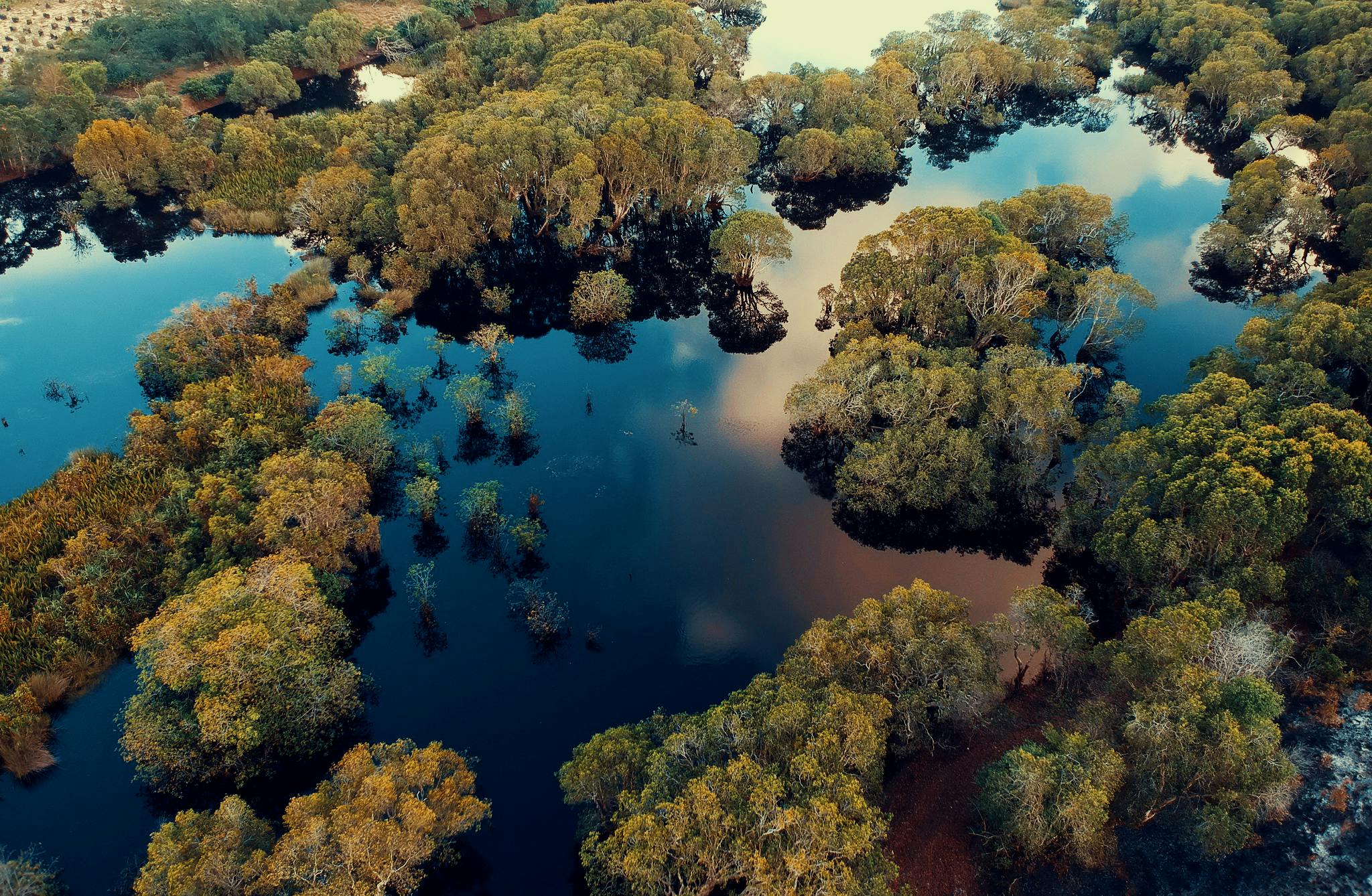
The challenge of preserving nature’s secrets while conducting forensic investigations reflects broader tensions between individual liberty, collective security, and environmental stewardship. Botanical forensics offers powerful tools for achieving justice, but these capabilities must be exercised with wisdom, restraint, and ethical sensitivity.
Achieving appropriate balance requires ongoing dialogue, adaptive governance, and willingness to prioritize values beyond prosecutorial success. Sometimes protecting endangered ecosystems or respecting indigenous rights may necessitate forgoing botanical evidence, even when it might contribute to solving crimes. These difficult choices reflect our deepest commitments about the kind of society we wish to build.
As botanical forensic science continues evolving, maintaining ethical foundations becomes increasingly critical. The microscopic clues hidden in nature’s designs offer remarkable investigative potential, but pursuing this potential responsibly demands constant vigilance about the values guiding our choices. Only through thoughtful engagement with these ethical complexities can we ensure that botanical forensics serves justice while honoring our obligations to both people and planet.
The path forward requires humility about scientific capabilities, respect for diverse perspectives, and commitment to principles transcending narrow institutional interests. By centering ethics alongside efficacy in botanical forensic investigations, we can harness nature’s secrets for justice while preserving the integrity of ecosystems and human rights that give our pursuit of justice meaning.